

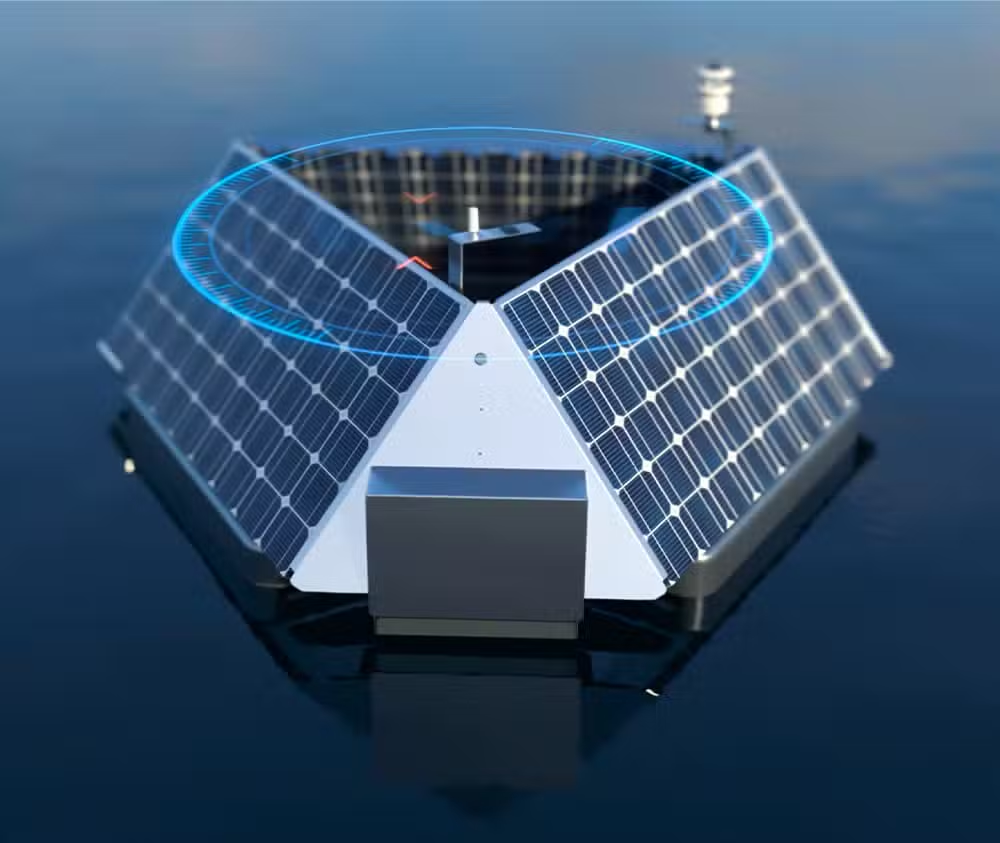
LG SonicPhosphate Monitoring
Detect real-time phosphate levels remotely
Elevate your water quality monitoring

Measures at different depths
Our innovative LG Sonic Phosphate Monitoring offers advanced proactive monitoring capabilities. As a result, it allows you to detect and address changes in phosphate levels in real time. In turn, you can identify nutrient pollution sources at different depths before they escalate into HABs. Ultimately, our cutting-edge technology enables a preventative approach to water quality management.

Accurate and reliable readings
By leveraging cutting-edge lab-on-chip technology, the LG Sonic Phosphate Monitoring delivers precise and accurate phosphate readings using the Molybdate-Vanadate method (Yellow method). As a result, it provides reliable and informative data that helps you make informed decisions about water quality management. In addition, the sensor uses durable materials and a robust design to maintain stability even in high-temperature environments, delivering highly accurate readings across a wide measurement range.

Safe and minimal maintenance
The LG Sonic Phosphate Monitoring offers a safe and easy maintenance process. For example, its durable reagents last up to six months and can be easily replaced without requiring a service technician. In addition, the system features automatic cleaning to prevent biofilm, allowing you to carry out minimal maintenance safely from a boat. As a result, it eliminates the need for complex testing methods, making water quality management more accessible and reducing the need for frequent field trips or manual measurements.
Remote phosphate measurements
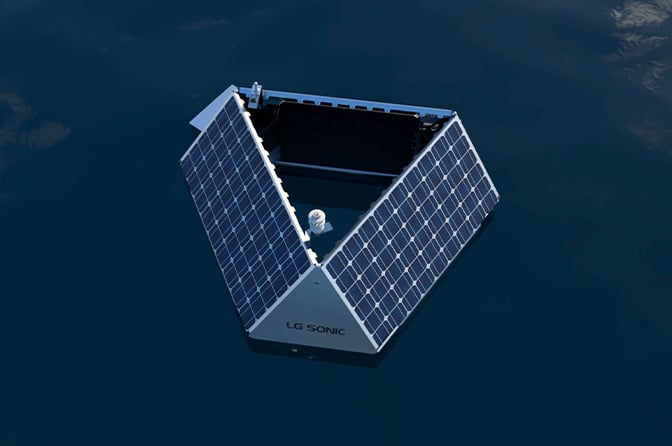
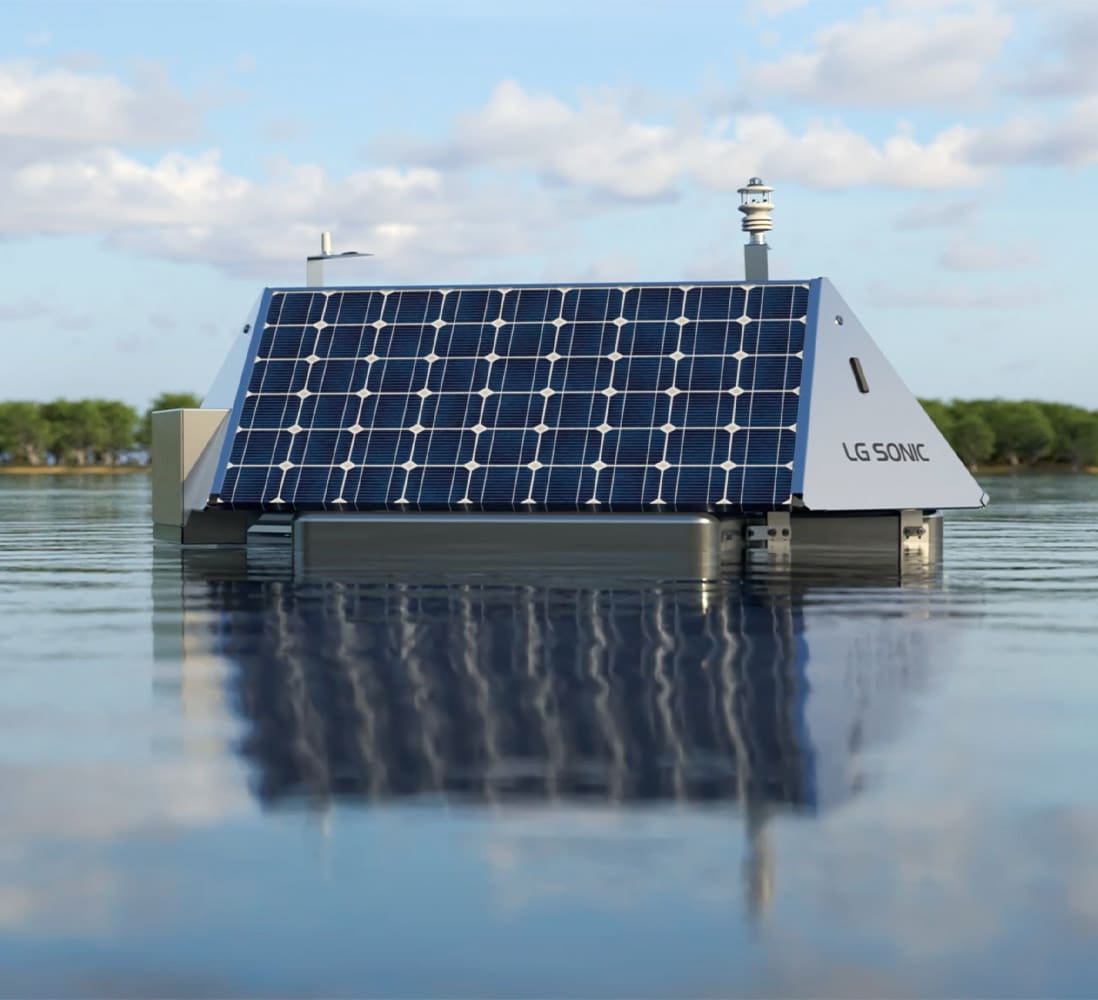
Transform your phosphate measurements in large water bodies with LG Sonic Phosphate Monitoring. The innovative, solar-powered system remotely collects phosphate data at multiple depths, from the surface to the sediments, using advanced winch technology. With precise, real-time phosphate data at your fingertips, you can stay in control and take action as needed.
Lab-on-chip technology
Experience precise and consistent phosphate measurements using our microfluidics sensor powered by state-of-the-art lab-on-chip technology. Our autonomous solution offers continuous and accurate data with low reagent consumption and high durability. Our reagent consumption is 90% lower than traditional methods, with less waste produced. Upgrade your water management capabilities with the latest monitoring technology.


Web-based monitoring software
With the LG Sonic Phosphate Monitoring, users can access real-time phosphate data from anywhere and at any time. This is made possible by the in-situ lab that processes the data, which sends the information directly to the MPC-View software, allowing users to access it remotely. Customizable alerts and notifications are also included to ensure users are informed of any changes in phosphate levels that require attention.

Request For Information
LG Sonic Phosphate Monitoring
Related products

Digital Twin
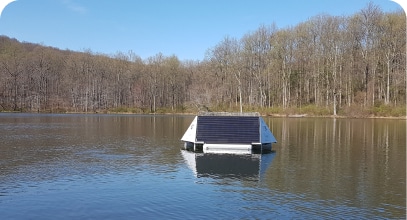
MPC-Buoy
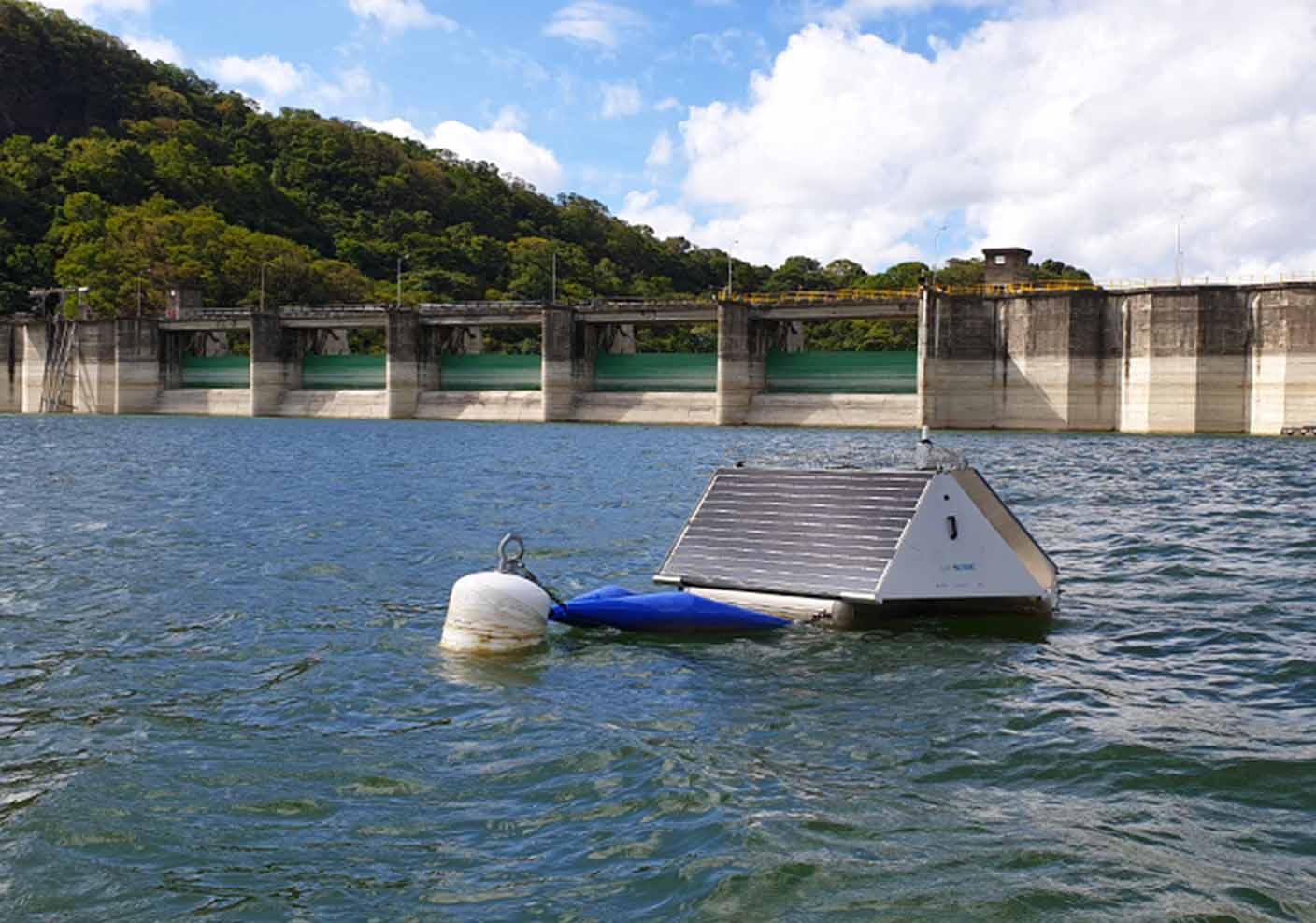
Monitoring Buoy
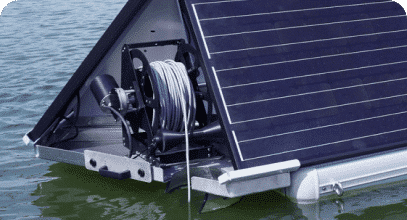
Vertical Profiler
Frequently Asked Questions
-
Why monitor phosphate specifically, rather than just measuring algae?
Phosphate is the nutrient that most directly drives algal growth, so tracking it lets you catch the conditions that cause a bloom before the bloom itself appears. LG Sonic Phosphate Monitoring detects changes in phosphate levels in real time and helps identify nutrient pollution sources at different depths before they escalate into harmful algal blooms. For a water manager, that shifts the approach from reacting to blooms after they form to preventing them, addressing the root cause upstream rather than treating the symptom downstream. -
How accurate are the readings, and what method does it use?
The system uses lab-on-chip microfluidics technology with the Molybdate-Vanadate method, also known as the Yellow method, to deliver precise phosphate readings. The sensor is built with durable materials and a robust design that maintains stability even in high-temperature environments, holding accuracy across a wide measurement range. Because it processes samples in an in-situ lab rather than relying on manual grab samples sent away for analysis, you get consistent, reliable data in real time rather than periodic snapshots. -
Can it measure at different depths, or only at the surface?
It measures at multiple depths, from the surface down to the sediment, using an automated winch system. This matters because phosphate is not evenly distributed through a water body, nutrient release from sediment and stratification mean surface-only readings can miss where the problem is developing. Depth profiling shows you where phosphate is entering or accumulating, giving a complete picture of your water body rather than a single surface value. -
How much maintenance does it require from our team?
Minimal. The reagents last up to six months and can be replaced without a service technician, and the system includes automatic cleaning to prevent biofilm buildup, so routine servicing can be done safely from a boat. Reagent consumption is about 90% lower than traditional methods, which also means less waste. In practice, this removes the need for frequent field trips and manual measurements, reducing both the labor burden and the ongoing cost of monitoring. -
How do we access the data, and can it alert us to problems?
The system is solar-powered and fully autonomous, sending phosphate data directly to the MPC-View web-based software, which you can access from anywhere at any time. You can set customizable alerts and notifications that flag any change in phosphate levels requiring attention, so your team is informed the moment a threshold is crossed rather than discovering it on the next site visit. That early warning is what enables you to act before rising phosphate turns into a bloom.