

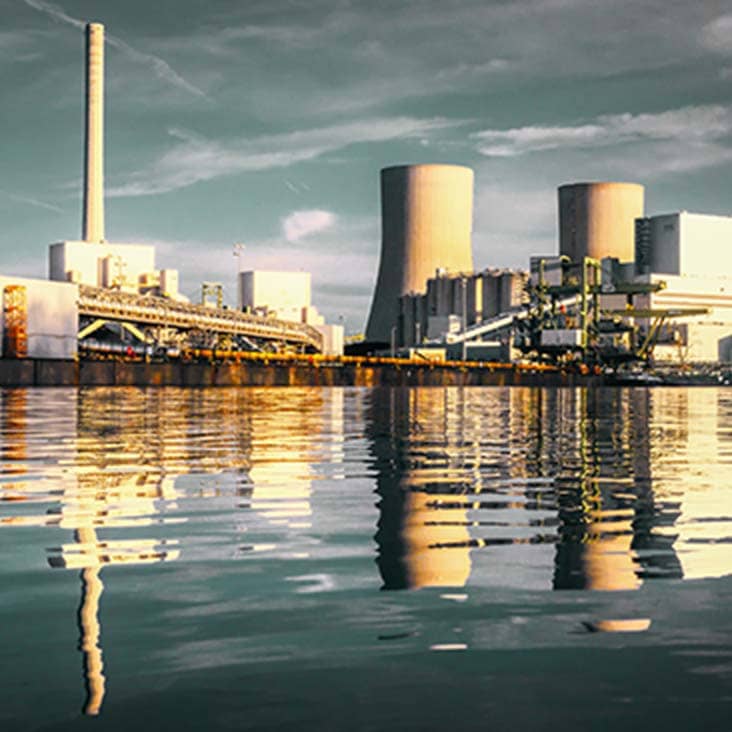
Reduce the pH levels of the discharge
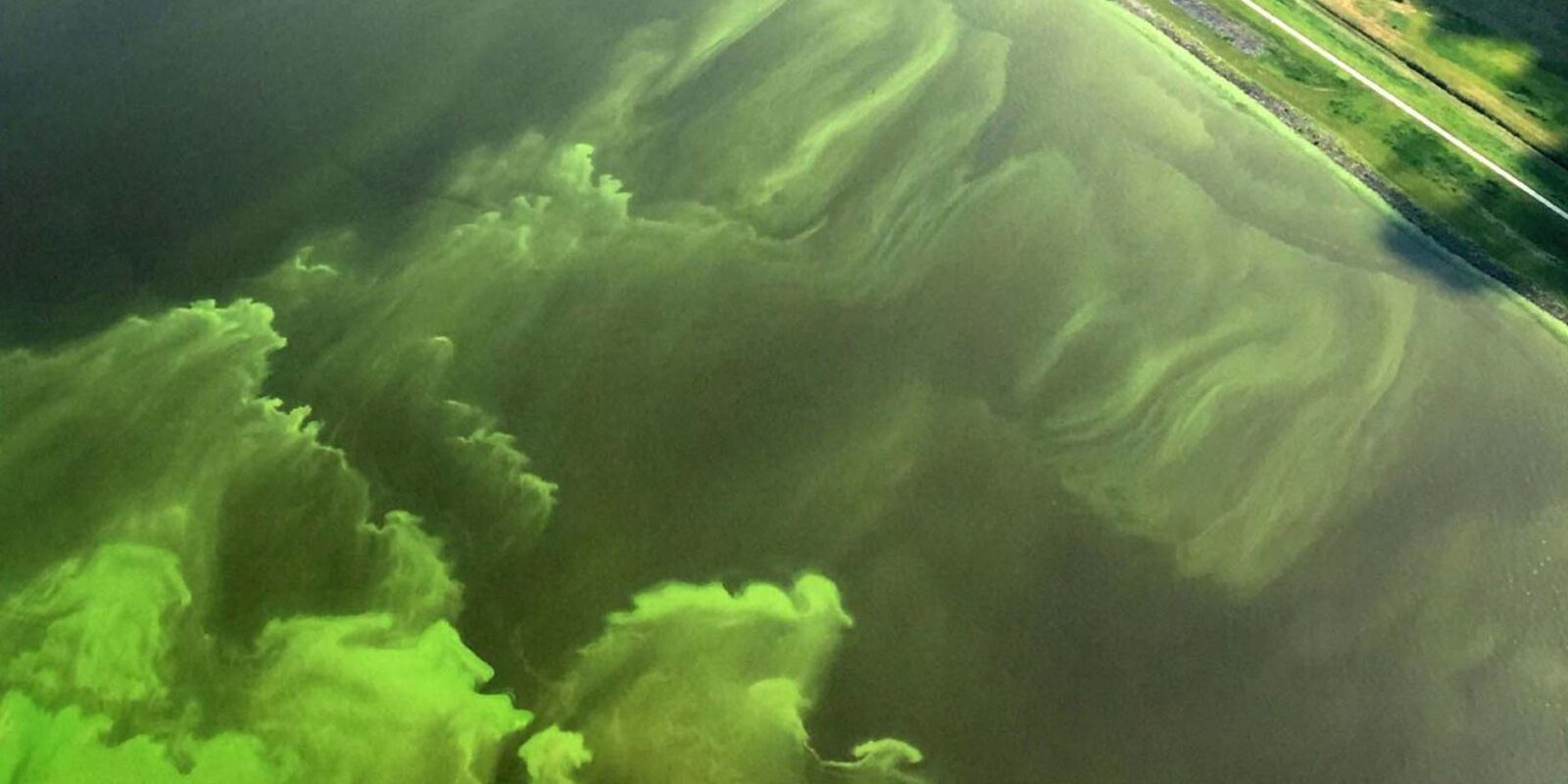
Excessive algae growth in cooling ponds of power generation facilities can be a significant cause for pH levels to exceed NPDES permissible limits.
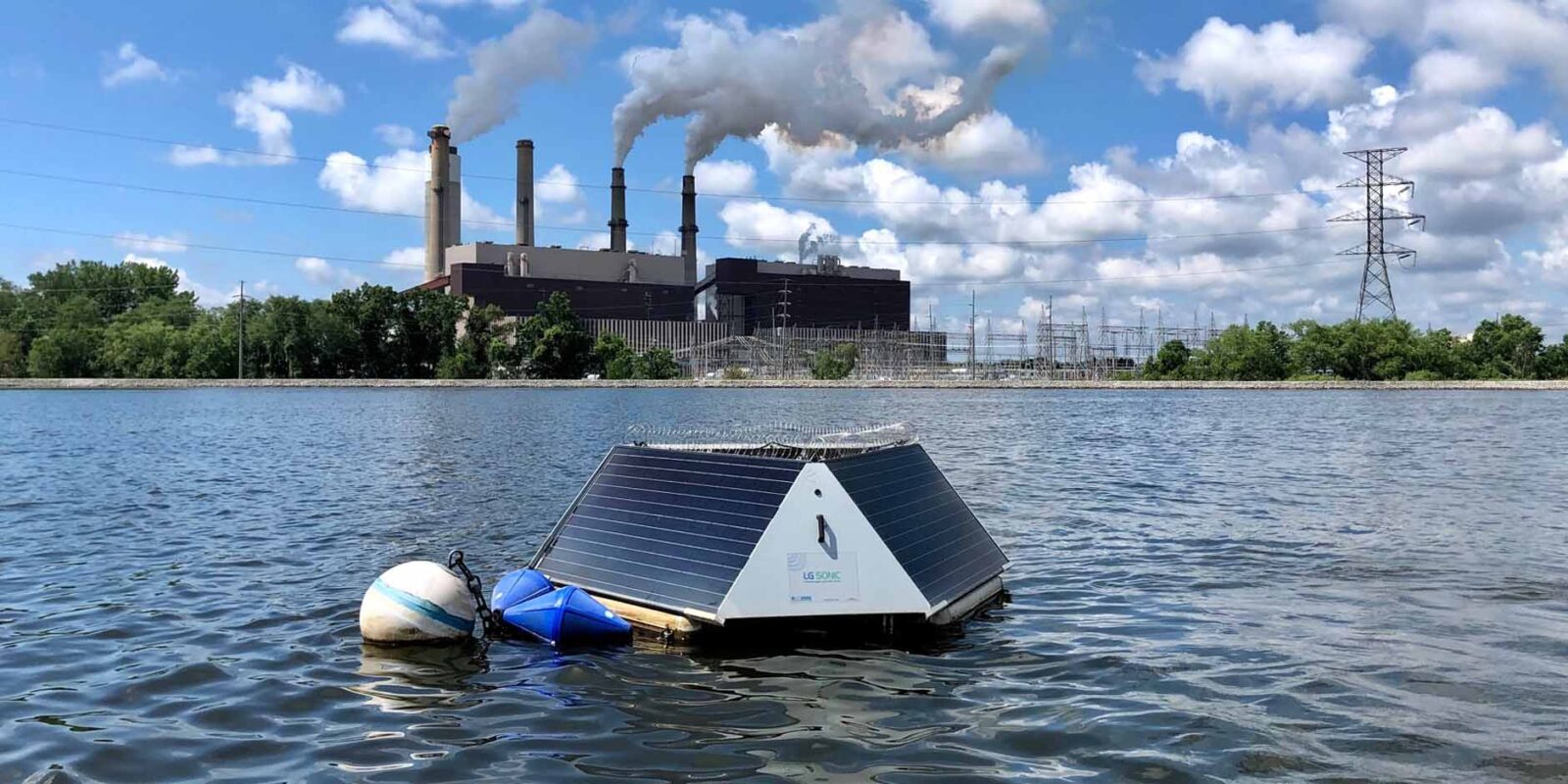
In electric power generation facilities, cooling ponds store heated water and supply cooling water to the power plant. When discharging the cooling water, power plants need to comply with NPDES effluent requirements. Control algal blooms with LG Sonic ultrasound technology to lower pH, TSS, and BOD levels.
Power generation facilities must meet discharge limits under the National Pollutant Discharge Elimination System (NPDES), a program by the U.S. Environmental Protection Agency that regulates water pollution from point source discharges.
Talk to an expert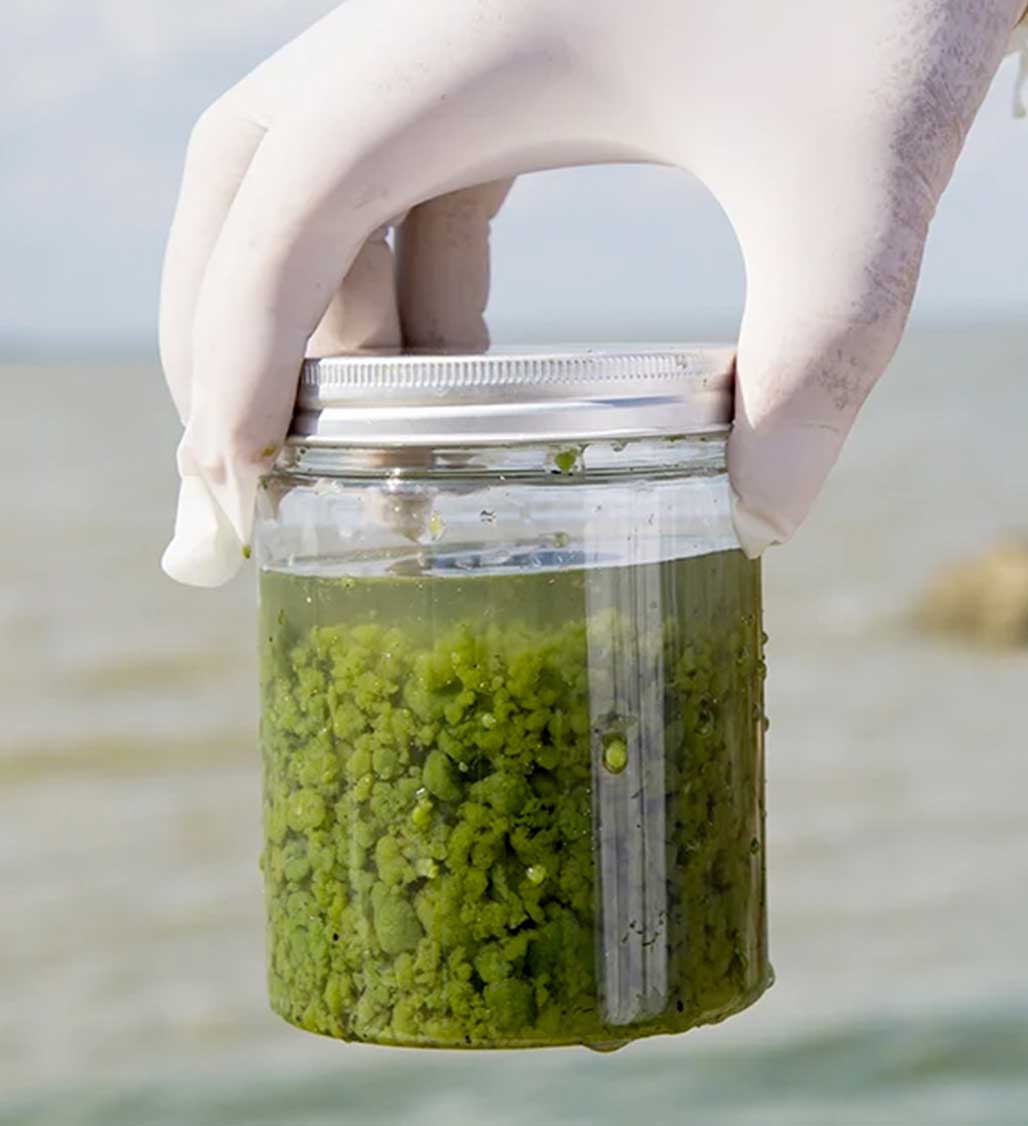

What is a cooling pond?
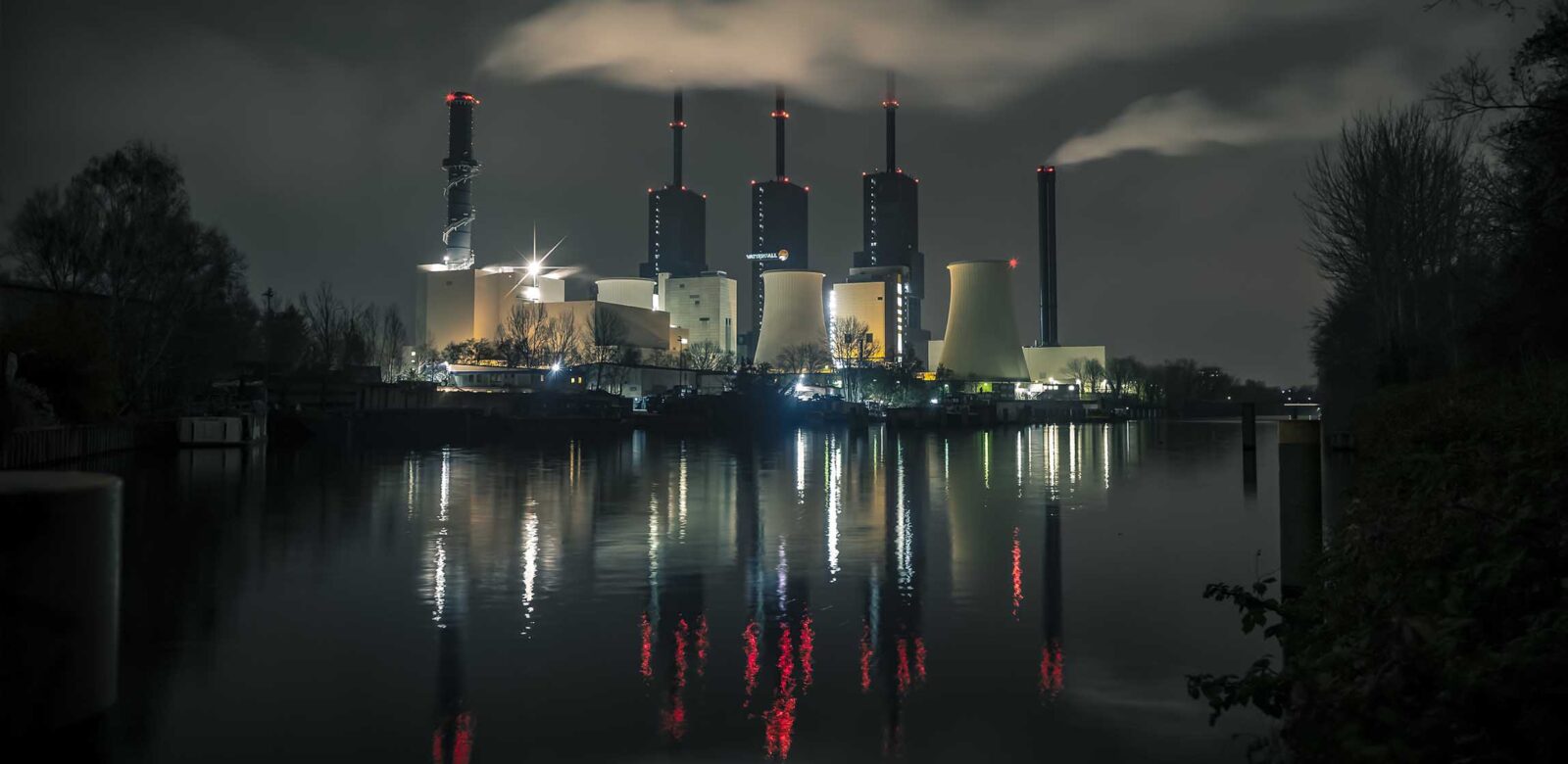
A cooling pond is a large water body at a power generation facility that stores heated water from the plant and supplies cooling water back to it. As part of the plant’s thermal cycle, water absorbs waste heat, is held in the pond to cool, and is then either reused or discharged. Because that discharge re-enters the environment, its quality is regulated: in the United States, power plants must meet effluent limits under the NPDES program.
These ponds are prone to algae because they hold warm, often nutrient-rich water exposed to sunlight. As algae grow, they raise pH through photosynthesis, one of the main reasons cooling-pond discharge can exceed permitted pH limits, and push up TSS and BOD as well. High-salinity source water entering the pond can lift pH further. Controlling algae in the cooling pond keeps discharge within NPDES limits and reduces the maintenance burden on plant equipment.
What defines a power plant cooling pond?
Cooling ponds at power facilities share a set of defining features:
- Thermal-cycle role: stores heated water and supplies cooling water back to the plant.
- Warm and nutrient-exposed: conditions that let algae bloom and drive pH upward.
- NPDES-regulated discharge: effluent must meet pH, TSS, and BOD limits before release.
- pH-sensitive: algal photosynthesis is a primary cause of permit-exceeding pH levels.
Why do power generation facilities need discharge-focused algae control
Power generation differs from other water bodies because the algae problem shows up as a pH problem at the discharge point. Cooling ponds hold heated water that must be returned to the environment within NPDES limits, and excessive algal growth is a significant cause of pH climbing past those limits. Algae extract carbon dioxide during photosynthesis, driving pH up, while high-salinity intake water and nutrient loading push it further. TSS and BOD rise alongside. An exceedance carries regulatory consequences, and the same growth adds maintenance load to filters, pipes, and cooling infrastructure.
Rather than dosing chemicals into cooling water bound for discharge, which can itself contribute to bloom formation, ultrasound controls algae directly and continuously while monitoring water quality in real time, so operators can hold pH, TSS, and BOD within NPDES limits. It works without cavitation and releases no algal toxins, supporting compliance, cutting chemical and maintenance costs, and keeping cooling operations uninterrupted. This is the approach behind results like NIPSCO’s, whose TSS levels have not exceeded the monthly compliance average since deployment.
NPDES effluent guidelines
Benefits of ultrasonic algae treatment

Lower chemical expenses

Improve operations of filters and pipes

Prevent toxic algal blooms
Causes of elevated pH in power generation
- Algae levels
- Nutrients
- Chemicals
Key drivers of elevated pH levels
Elevated pH levels can be caused by a wide range of mechanisms, such as algal growth, high nutrient levels of the source water, and chemicals used in cooling operations in the power plant.
Excessive algal growth raises pH through photosynthesis, in which carbon dioxide is rapidly extracted from the water. Separately, source water with high salt content entering the cooling pond can also drive pH upward. Nutrient-rich water influences pH indirectly by accelerating algal growth.
Nutrient-rich water can indirectly influence pH levels too by accelerating algal growth.
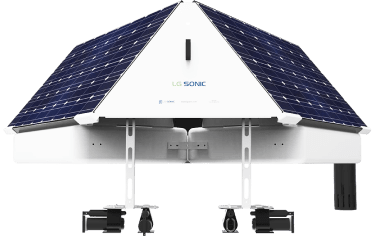
MPC-Buoy
All-in-one solution for controlling algae in drinking water reservoirs.
Questions?
Receive more information and a free quotation.











keep your knowledge up to date
Frequently asked questions
-
What is the impact of LG Sonic ultrasound on zooplankton?
Recent studies commissioned by the Dutch water board and conducted by research agency Ecofide have concluded that the LG Sonic ultrasound is safe for fish, plants, zooplankton, and other aquatic organisms.
-
Why control the algae if nutrients are the problem?
Reducing nutrients is, of course, also necessary but difficult to achieve, even in the long-term. The majority of nutrient management methods are costly and require frequent dosing with unknown side-effects for the aquatic ecosystem. Besides, the duration and intensity of algal bloom events is strongly depended not only on nutrients but also on a combination of environmental factors, such as climate change, weather patterns, and an unbalanced ecosystem.
-
What kind of water does your ultrasound work in?
The MPC-Buoy technology can be installed in freshwater, salt water, and brackish water.
-
What’s the largest water body that has LG Sonic implemented? Any issues linking many buoys?
We have multiple projects with large numbers of MPC-Buoy units installed. For example, in Dominican Republic, 50 MPC-Buoys are in operation in a 7km2 reservoir. The buoys communicate with each other for optimal treatment.
-
What's the minimum depth of water required for LG Sonic treatment?
We recommend a minimum water depth of 3 feet / 1 meter.