

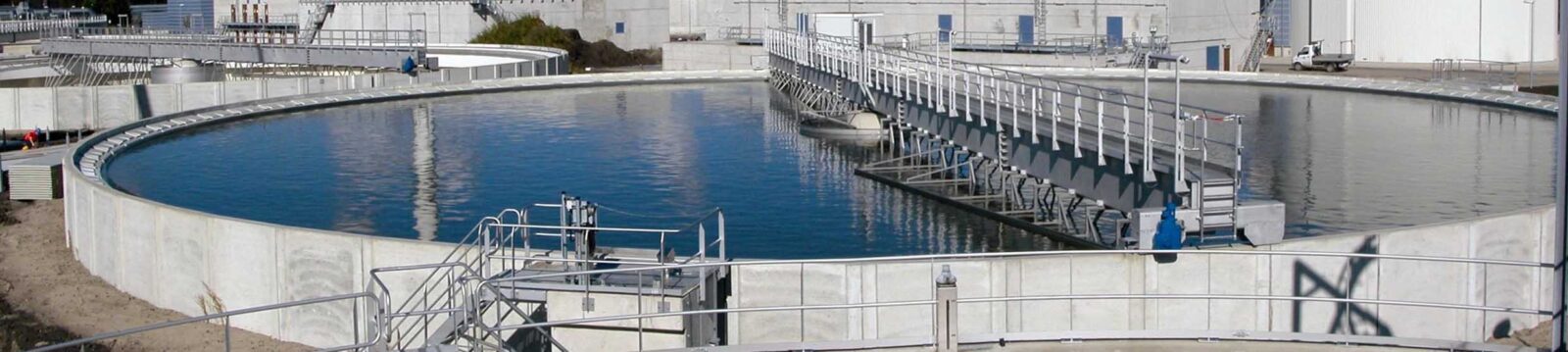
Prevent taste and odour problems
A treatment plant’s performance is only as good as the water entering it. Meeting standards like the WHO Guidelines for Drinking-water Quality gets harder and more expensive when the source water is loaded with algae.
Once algae and the biofouling they drive reach the process, the costs compound: clogged intake screens, fouled weirs, and a higher taste-and-odour and toxin load. Inside the plant, algae, cyanobacteria, and bacteria growing in basins increase chemical and filtration demand and push up THM (trihalomethane) formation, a regulated disinfection by-product. The same problems show up in sand filters, flocculation chambers, clarifiers, and coagulation tanks, causing microbiological and chemical deterioration, corrosion, and lost efficiency.
Control the algae in the source water, and you cut the load that drives all of it downstream.
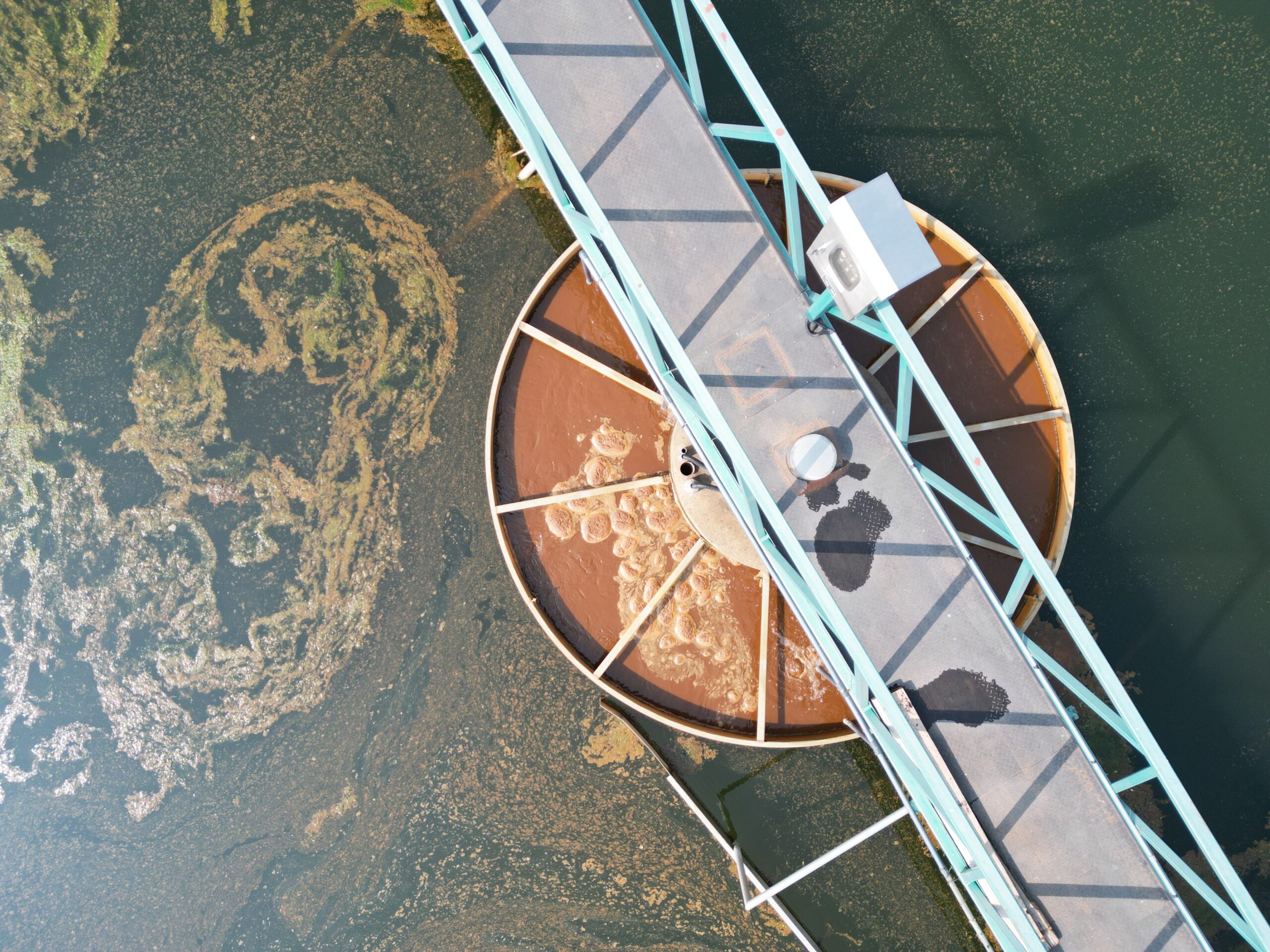

What is a water treatment plant?
A water treatment plant is a facility that turns raw source water into safe drinking water by moving it through a sequence of physical and chemical stages, typically coagulation, flocculation, sedimentation or clarification, filtration, and disinfection. Each stage relies on the one before it working cleanly, so anything that disrupts an early step carries costs through the entire process.
That interdependence is what makes algae and biofouling such a problem inside a plant. When algae and bacteria grow on intake screens, weirs, clarifiers, flocculation chambers, and sand filters, they raise chlorine demand, foul equipment, and reduce the efficiency of every downstream stage. They can also drive the formation of disinfection by-products such as trihalomethanes (THMs). Controlling that growth within the plant keeps each treatment stage performing as designed and reduces the chemical load needed to compensate.
What defines a water treatment plant?
Water treatment plants vary in scale and configuration, but they share a common set of features:
- Multi-stage process: water passes through sequential steps, each depending on the last to work cleanly.
- Engineered basins and filters: clarifiers, flocculation chambers, and sand filters where biofouling commonly takes hold.
- Chemical dosing: coagulants and disinfectants whose demand rises when algae and bacteria are present.
- Regulatory targets: output must meet drinking water standards such as the WHO Guidelines for Drinking-water Quality.
Why do water treatment plants need in-process fouling control?
Water treatment plants differ from open water bodies because the problem isn’t a bloom on a surface; it’s biofilm and microbial growth on the infrastructure itself. Algae, cyanobacteria, and bacteria colonise intake screens, weirs, clarifiers, flocculation chambers, and sand filters, where they degrade water quality microbiologically and chemically, induce corrosion, and reduce process efficiency. As that growth increases, so does the demand for chemicals and filtration, which in turn raises the risk of trihalomethane (THM) formation. Because each treatment stage depends on the previous one, fouling at any point compounds throughout the whole process.
Rather than responding with heavier chemical dosing, which addresses symptoms and can worsen by-product formation, ultrasound suppresses algae and biofouling directly and continuously, without cavitation and without releasing algal toxins. Keeping basins and filters clear reduces chemical demand, protects equipment from corrosion and clogging, and helps the plant hold consistent output against its regulatory targets.
See treatment methods
Benefits of ultrasonic algae treatment

Lower Chemical Expenses

Improve Operations of Filters and Pipes

Prevent Toxic Algal Blooms
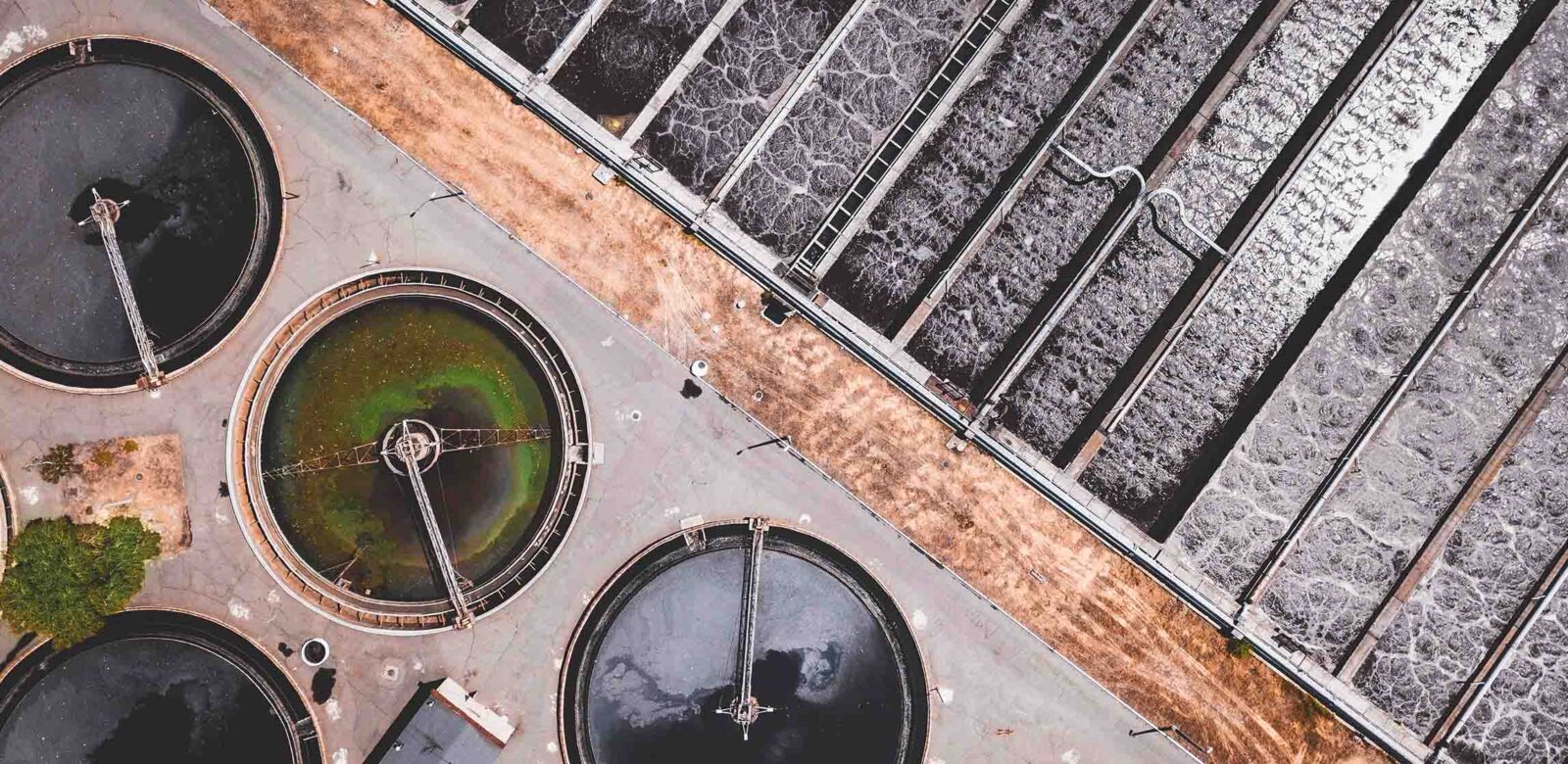
Biofouling of water treatment plants
Control algae in your source water before it reaches the plant, lower chlorine and chemical demand, reduce THM formation, and keep filters, clarifiers, and basins running clean.
- Low-power ultrasound, no cavitation
- No release of algal toxins
- 100% safe for the environment
Biofouling impacts on drinking water treatment processes
Biofouling in drinking water systems has detrimental effects such as microbiological and chemical deterioration in water quality, corrosion-inducing effects, and efficiency-reducing effects in water treatment processes.
The growth of algae, cyanobacteria and bacteria within the basins of the plant itself increases the demand of chemicals or filtration and in turn creates problems with THM (trihalomethane) formation.
Algae and biofouling-related problems are also often seen in sand filers, flocculation chambers, clarifiers and coagulation tanks.
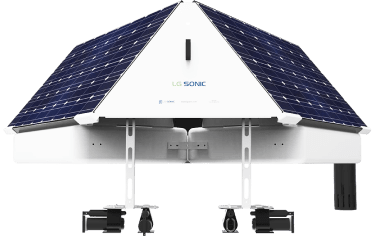
MPC-Buoy
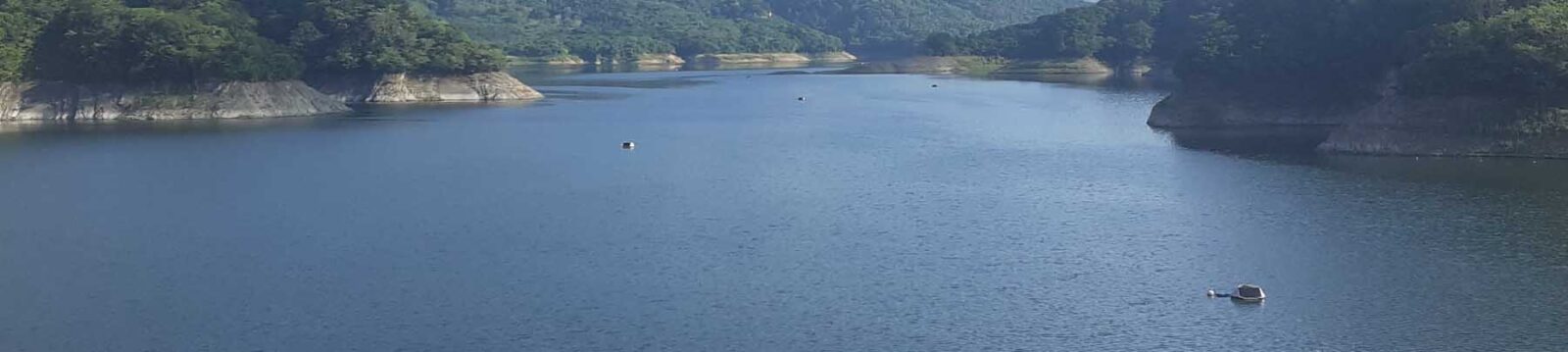
All-in-one solution for controlling algae in drinking water reservoirs.
Questions?
Receive more information and a free quotation.








Frequently asked questions
-
What is the impact of LG Sonic ultrasound on zooplankton?
Recent studies commissioned by the Dutch water board and conducted by research agency Ecofide have concluded that the LG Sonic ultrasound is safe for fish, plants, zooplankton, and other aquatic organisms.
-
Why control the algae if nutrients are the problem?
Reducing nutrients is, of course, also necessary but difficult to achieve, even in the long-term. The majority of nutrient management methods are costly and require frequent dosing with unknown side-effects for the aquatic ecosystem. Besides, the duration and intensity of algal bloom events is strongly depended not only on nutrients but also on a combination of environmental factors, such as climate change, weather patterns, and an unbalanced ecosystem.
-
What kind of water does your ultrasound work in?
The MPC-Buoy technology can be installed in freshwater, salt water, and brackish water.
-
What’s the largest water body that has LG Sonic implemented? Any issues linking many buoys?
We have multiple projects with large numbers of MPC-Buoy units installed. For example, in Dominican Republic, 50 MPC-Buoys are in operation in a 7km2 reservoir. The buoys communicate with each other for optimal treatment.
-
What's the minimum depth of water required for LG Sonic treatment?
We recommend a minimum water depth of 3 feet / 1 meter.