


Water quality degradation
Frequent outbreaks of algal blooms often degrade water in hydroelectric dams worldwide, making the water unusable as a drinking water or irrigation supply.
Removing algae or algal by-products from water treatment plants where water is taken from a dam is costly and time-consuming (e.g., the removal and cleaning of sand filters) and therefore impractical.
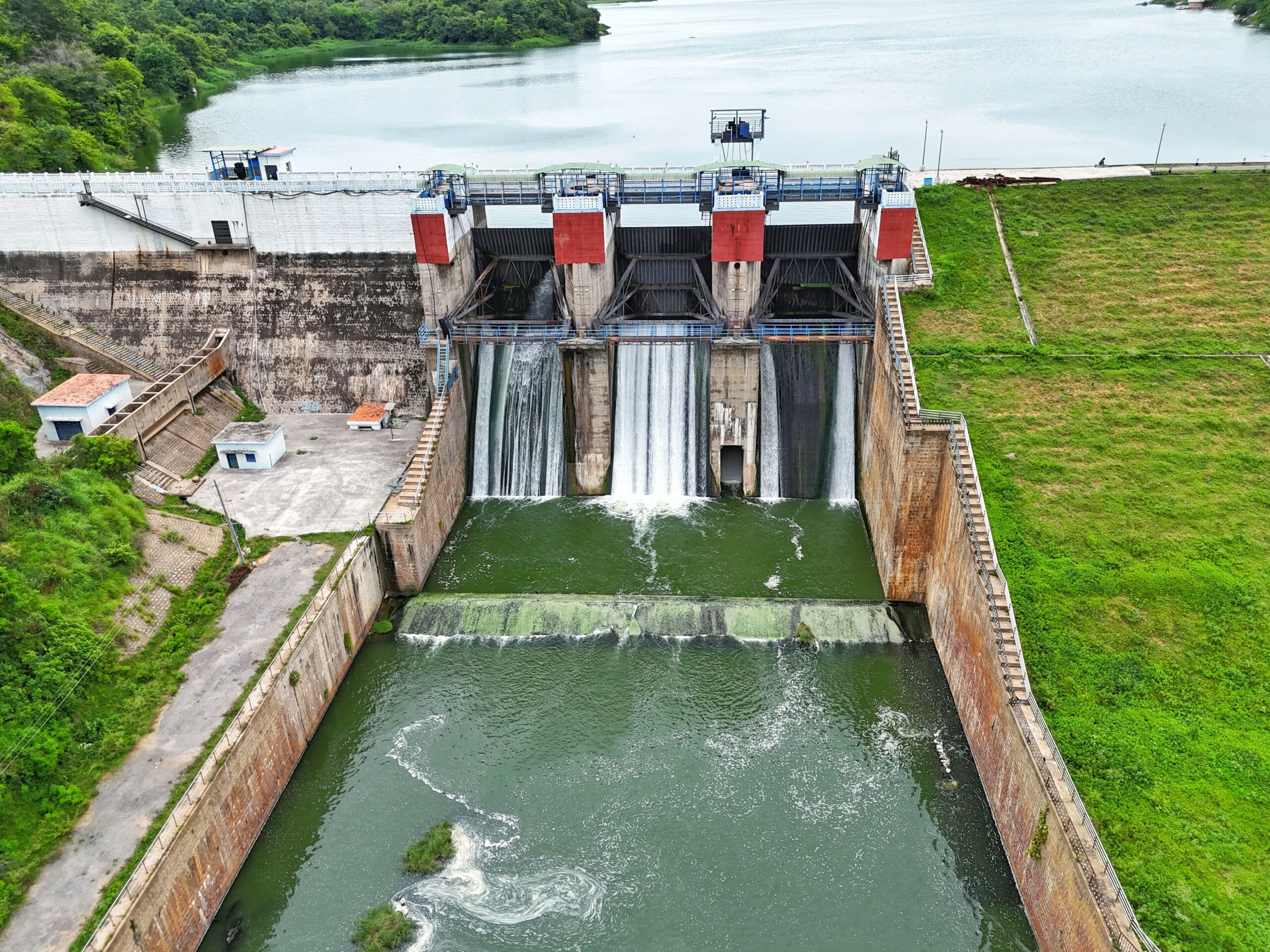

What is a hydroelectric dam?
A hydroelectric dam is a structure that holds back a river to create a large reservoir, then releases that stored water through turbines to generate electricity. The reservoir behind the dam is both the fuel supply for power generation and, in many regions, a source of drinking water and irrigation, so its water quality carries consequences well beyond the plant itself.
These reservoirs are especially prone to algae because they combine the worst conditions: large volumes of nutrient-rich water, long stagnation behind the dam wall, and sunlit surfaces that warm through the summer. When algae bloom, they don’t only degrade the water for downstream drinking and irrigation use, they foul the intakes, trash racks, and cooling systems that keep the turbines running, turning a water-quality problem into a generation and maintenance problem.
What defines a hydroelectric reservoir?
Hydroelectric reservoirs differ from ordinary lakes in a few important ways:
- Dual purpose: the stored water both drives power generation and often supplies drinking water or irrigation.
- Large, stagnant volume: water sits behind the dam wall for long periods, ideal for algae.
- Generation-critical infrastructure: intakes, trash racks, and cooling systems that fouling directly affects.
- Seasonally driven: warm summer months trigger the densest surface scums and the highest risk.
Why hydroelectric dams need reservoir-scale algae control
Hydroelectric dams differ from other water bodies because algae threaten two things at once: water quality and power generation. Blooms degrade the stored water for the drinking and irrigation supplies that depend on it, and removing algae or its by-products downstream, cleaning fouled sand filters at connected treatment plants, is costly and slow. But the same blooms also foul the intakes, trash racks, and cooling circuits that keep turbines operating, so an algae problem in a hydro reservoir becomes a maintenance and generation problem as well. Rising temperatures, prolonged stagnation, extreme weather, and nutrient runoff all compound the risk, and it peaks in summer when concentrations can climb exponentially into dense surface scums.
Treating a reservoir this large with chemicals is impractical and environmentally fraught, which is why ultrasound suits hydroelectric sites: it controls algae across the whole reservoir surface, continuously and without chemicals, using low-power ultrasound that produces no cavitation and releases no algal toxins. That protects downstream water users, keeps generation infrastructure clear, and lowers both chemical consumption and operating costs, without interrupting the dam’s core job of producing power.
How eliminating algae boost efficiency
Benefits of ultrasonic algae treatment

Lower chemical expenses

Improve operations of filters and pipes

Prevent toxic algal blooms
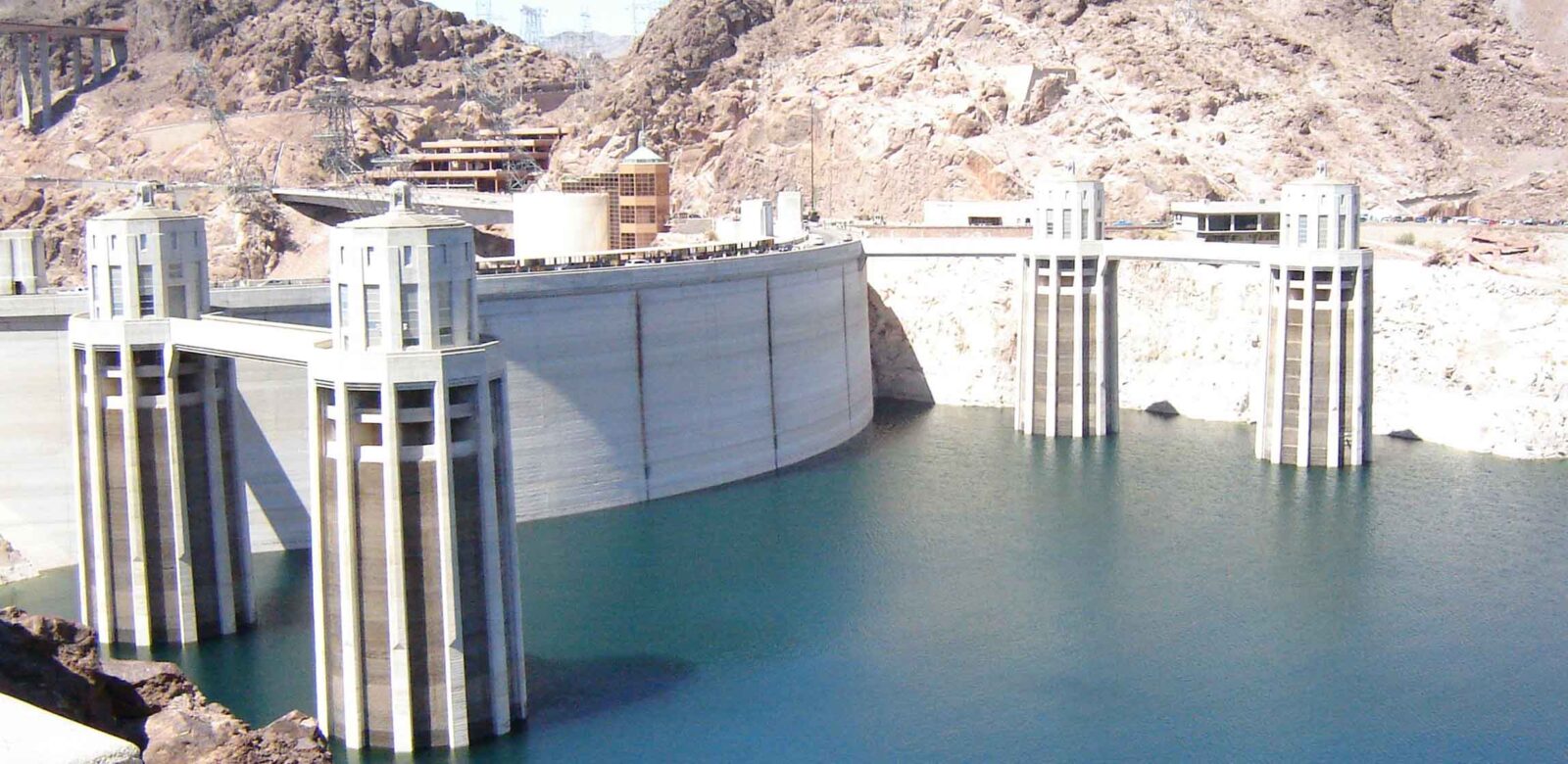
Algae problems in hydroelectric dams
- Low-power ultrasound, no cavitation
- No release of algal toxins
- 100% safe for the environment
Algae Growth Conditions in Hydroelectric Dams
Rising temperatures, prolonged water stagnation, extreme weather, and increased runoff of nutrients from urban and agricultural lands all compound algae problems in hydroelectric dams.
Especially in the summer months, when the water temperature increases, algal concentrations can grow exponentially and form dense surface scums.
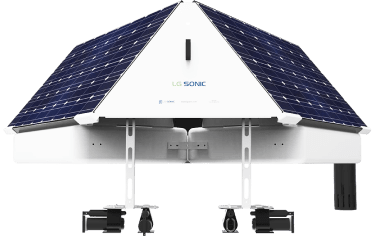
MPC-Buoy
All-in-one solution for controlling algae in drinking water reservoirs.
Questions?
Receive more information and a free quotation.
















Frequently asked questions
-
What is the impact of LG Sonic ultrasound on zooplankton?
Recent studies commissioned by the Dutch water board and conducted by research agency Ecofide have concluded that the LG Sonic ultrasound is safe for fish, plants, zooplankton, and other aquatic organisms.
-
Why control the algae if nutrients are the problem?
Reducing nutrients is, of course, also necessary but difficult to achieve, even in the long-term. The majority of nutrient management methods are costly and require frequent dosing with unknown side-effects for the aquatic ecosystem. Besides, the duration and intensity of algal bloom events is strongly depended not only on nutrients but also on a combination of environmental factors, such as climate change, weather patterns, and an unbalanced ecosystem.
-
What kind of water does your ultrasound work in?
The MPC-Buoy technology can be installed in freshwater, salt water, and brackish water.
-
What’s the largest water body that has LG Sonic implemented? Any issues linking many buoys?
We have multiple projects with large numbers of MPC-Buoy units installed. For example, in Dominican Republic, 50 MPC-Buoys are in operation in a 7km2 reservoir. The buoys communicate with each other for optimal treatment.
-
What's the minimum depth of water required for LG Sonic treatment?
We recommend a minimum water depth of 3 feet / 1 meter.