


At LG Sonic, we thrive on challenges and value our audience’s insightful questions that delve beyond the obvious. During our recent webinars, we received a multitude of intriguing inquiries that showcase your deep understanding of our technology, algae control methods, and its applications in managing water bodies. We are excited to share some of these thought-provoking questions and provide comprehensive answers that shed light on the complexities of water management, algae growth, and provide comprehensive answers that shed light on algae growth, phytoplankton behavior, and the abundance of different algae forms, including green algae, blue green algae, and brown algae.
Your curiosity inspires us to delve deeper into the science and practical applications of our innovations, including methods that avoid copper sulfate, hydrogen peroxide, or sodium carbonate peroxyhydrate as aquatic herbicides. We appreciate the opportunity to address these challenges head-on and demonstrate how LG Sonic continues to pioneer sustainable solutions in water treatment and algae control.
Your engagement drives us to push the boundaries of innovation and sustainability, and we are committed to keeping you informed every step of the way. Here, we will unravel the answers to some of the most compelling questions we have received about algae control, water quality, and managing aquatic ecosystems:
1. How do you do the historical timeline of problem areas in a water bodies?
At LG Sonic, we create a historical timeline of problem areas in water bodies by continuously monitoring key parameters such as chlorophyll-a levels, temperature, nutrient concentrations, and excess nutrients using our MPC-Buoy systems. Data collected is stored in a cloud-based platform, allowing for easy access and analysis.
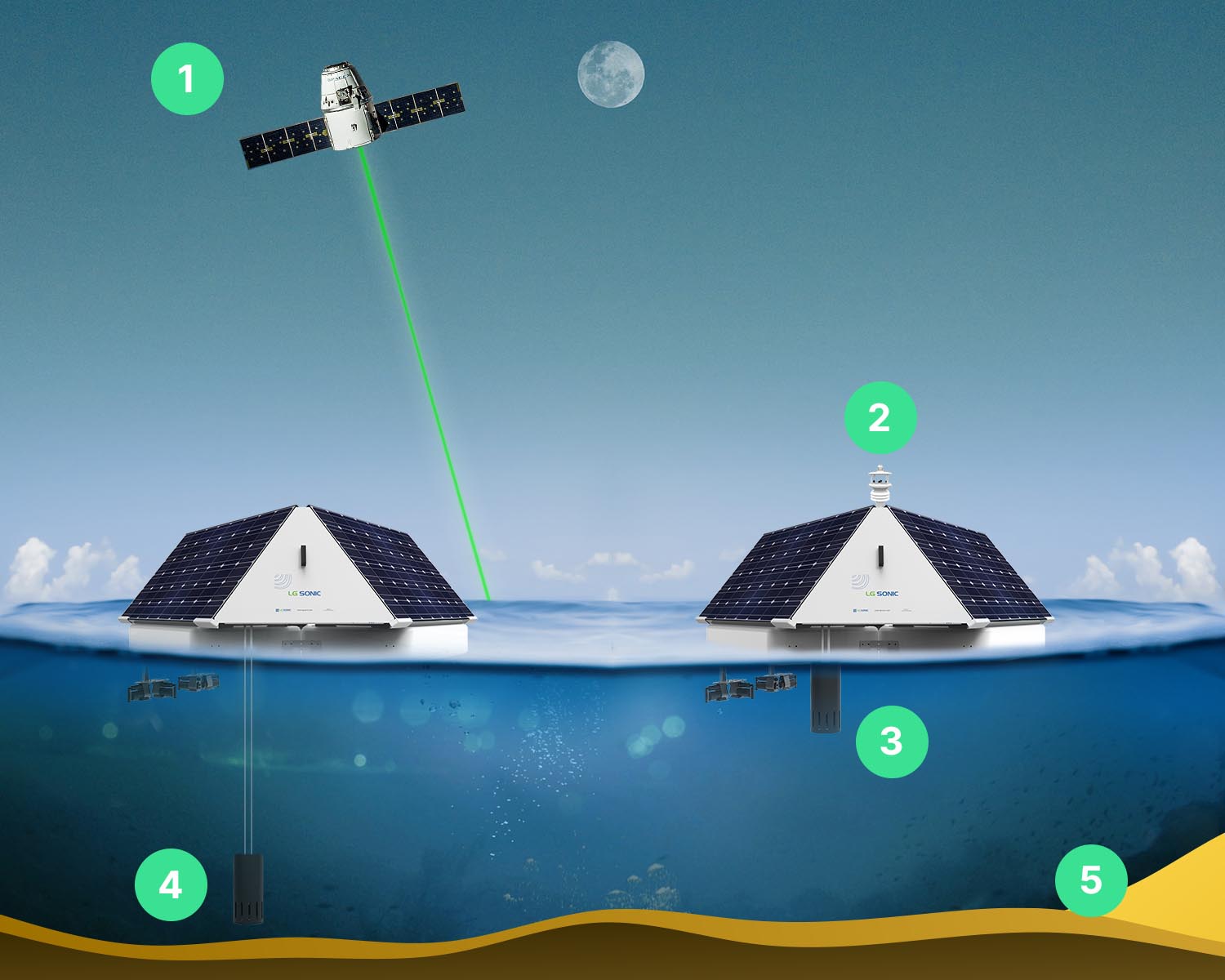
By comparing current and past data, we identify patterns and trends in the water column and the surface area of the pond or lake, pinpointing areas and times of recurring issues like algal blooms, including those caused by blue green algae and cyanobacteria.These insights help manage weeds, mats, and excessive nutrients before they form large numbers of algal blooms. Utilizing GIS technology, we create detailed maps highlighting problem areas spatially and temporally, covering the surface area of ponds and lakes. Our reporting tools and predictive modeling enable stakeholders to make informed decisions and implement proactive management strategies for effective algae control, helping to maintain water quality and prevent oxygen depletion.

2. Can you explain the satellite remote sensing option?
LG Sonic’s Water Window uses existing data from European and American satellites to assess the spatial distribution of chlorophyll-a, turbidity, and phycocyanin. We validate this data with the in-situ measurements our buoys gather all over the world, ensuring accurate water quality monitoring across various water bodies.
This is fed into our Machine Learning (ML) algorithm for increased accuracy. Since satellites pass over the planet daily, this consistent data stream can be used to assess where algae, including green algae and blue green algae as well as seaweed, diatoms, and other phytoplankton that appear naturally in freshwater systems, are forming seasonally and over time. LG Sonic’s Water Window is a tool to determine algae “hot spots,” gauge treatment effectiveness, and inform managers where the problem areas are, helping to maintain oxygen levels and prevent harmful algal blooms.

3. How effective are these algae buoys in shallow eutrophic lakes?
LG Sonic algae buoys are highly effective in managing algae in shallow eutrophic lakes from as little as 1m depth, where nutrient levels and sunlight availability promote rapid algae growth. By emitting specific ultrasonic programs, our buoys prevent algal populations, including green algae and blue green algae, from accessing the sunlight they need to perform photosynthesis and propagate, thus inhibiting growth and reducing bloom occurrences. This broad spectrum approach helps control various algae types such as diatoms and cyanobacteria, restoring balance to aquatic ecosystems, improving water clarity, and supporting diverse aquatic life including fish and other animals.
4. Are there any regulations that guide how these systems are to be used and designed?
We ensure that our MPC-Buoy systems comply with relevant local and international regulations and standards governing water treatment, environmental protection, and algae control. These regulations guide the design, usage, and deployment of our systems to ensure safety, efficacy, and minimal impact on aquatic plants, animals, and humans.
We work closely with environmental agencies and follow best practices to meet these regulatory requirements, including compliance with product label instructions and ensuring the use of the right product for effective algae control. Our solutions are designed to treat a variety of water bodies, including freshwater ponds and lakes, while minimizing the impact on higher plants, fish, and other aquatic animals. We are committed to providing customers with algae control methods that are not only effective but also responsible and sustainable, avoiding the release of toxic substances and excessive decomposition that can lead to oxygen depletion. Our dedication to innovation is matched by adherence to guidelines that ensure safe operation in diverse conditions, including hard water environments, and proper dosing to prevent escape of harmful algae and maintain water quality.
5. Is the Buoy powered by battery or remotely?
Our MPC buoys are typically powered by a combination of solar panels that charge integrated battery systems. This setup enables autonomous operation by harnessing solar energy to charge the batteries during daylight hours, ensuring continuous operation without the need for external power sources.
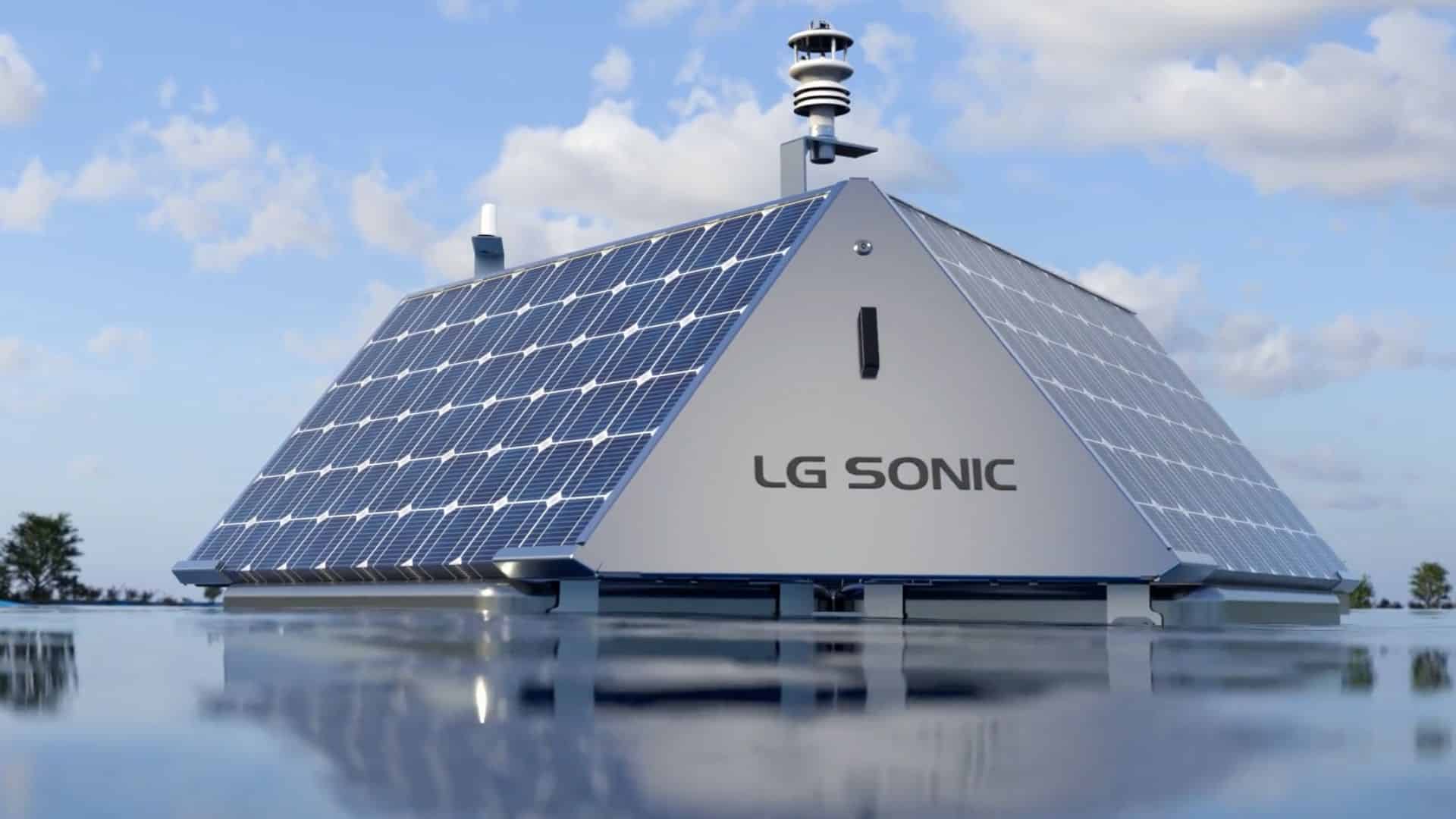
The stored energy powers the buoy and its systems continuously, including data transmission and ultrasonic algae control functionalities. The battery has been tested in cold, dark climates as well as for periods where charging is not possible, ensuring the system can survive and operate effectively even under challenging conditions.
This approach minimizes environmental impact, reduces operational costs, and ensures reliable performance across various environmental conditions, supporting long-term algae management, water quality monitoring initiatives, and effective control of algae growth in diverse water bodies.
Conclusion
At LG Sonic, we are dedicated to engaging with our community and addressing your concerns about algae control and water quality. We have received numerous other interesting questions related to aquatic herbicides, algae growth, and effective algae control methods. All our webinar registrants have already received detailed answers covering topics such as blue green algae, green algae, and the impact of excess nutrients on ponds and lakes. We plan to cover even more of these questions in our future materials.
We are preparing more exciting webinars focused on maintaining water quality, preventing oxygen depletion, and managing algal blooms, so be sure to register and get your questions answered in person. Stay tuned for more insights and updates on sustainable algae control solutions!