

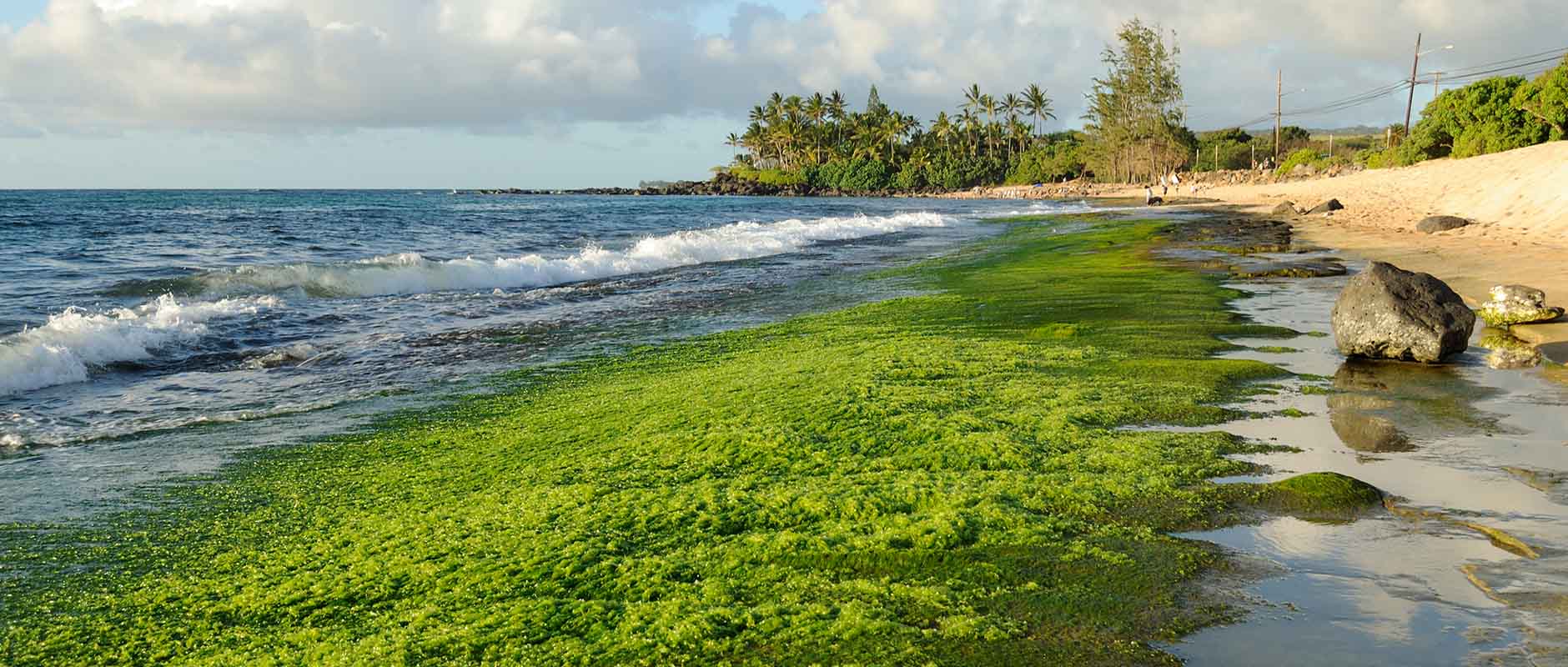
Cyanobacteria, commonly called blue-green algae, can produce toxins that pose serious risks to human health, animals, and aquatic ecosystems. Knowing how to identify toxic algae is the first step in protecting water users and managing harmful algal blooms (HABs) before they escalate.
What Does Toxic Algae Look Like?
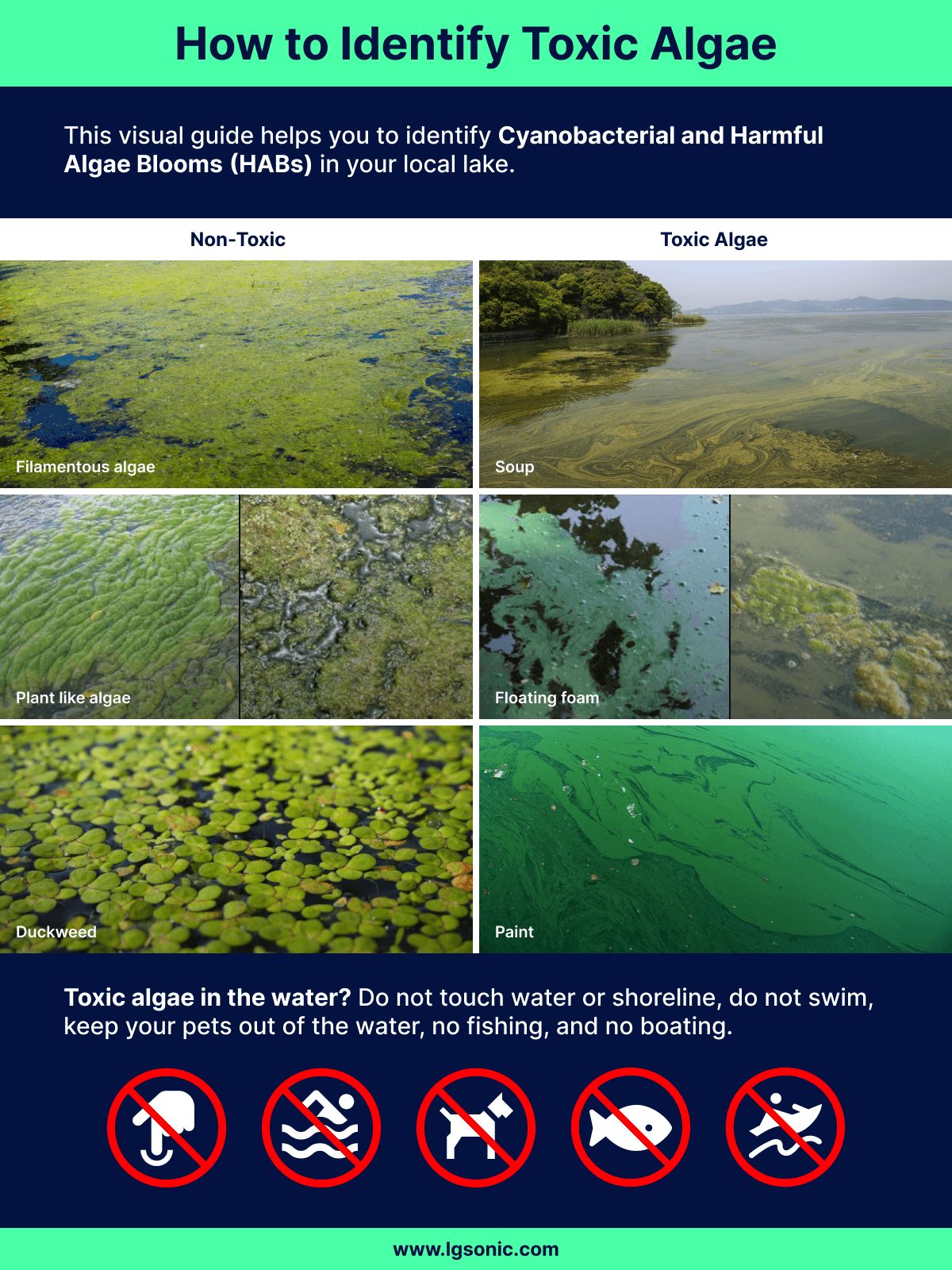
Toxic algae blooms do not have a single fixed appearance, which makes visual identification challenging. However, there are reliable warning signs to watch for.
Color changes are often the first indicator. Affected water may turn green, blue-green, brown, or even red, depending on the dominant species. In advanced blooms, the water can take on a vivid “pea soup” appearance.
Surface scum and paint-like films are classic signs of cyanobacterial blooms. If the surface of a water body looks as though green or blue paint has been spilled across it, treat it as a likely bloom. Dense accumulations can also form thick mats or foam along shorelines.
Turbidity and globs in the water column — where the algae appear suspended rather than settled — are another indicator, particularly in warm, shallow areas or sheltered bays.
The Smell Test
As a bloom begins to die and decompose, it releases gases that produce a strong, unpleasant odor — often described as rotten eggs or decaying plant matter. A foul-smelling water body should always be treated as a potential HAB event, even if visual signs are unclear.
Field Tests to Identify Cyanobacteria
Two simple field tests can help distinguish cyanobacteria from non-toxic green algae:
- The stick test: Insert a stick into the surface scum and lift it out. If it pulls up green, thread-like strands, it is likely harmless filamentous algae. If the stick comes out coated as if dipped in paint, cyanobacteria may be present.
- The jar test: Collect a water sample in a clear jar and refrigerate it overnight. Non-toxic green algae will sink to the bottom. Cyanobacteria will float and form a visible ring near the surface.
These tests are indicative, not conclusive. The only way to confirm toxicity is laboratory analysis.
Signs a Bloom May Be Toxic
Visual identification alone cannot confirm whether a bloom is producing cyanotoxins. Not all blooms are toxic — but all blooms should be treated as potentially hazardous until tested. Key warning signs include:
- Sudden fish kills or dead waterfowl near the shoreline
- Pets or livestock showing signs of illness after water contact
- Skin rashes or gastrointestinal symptoms in people who have been in the water
- Persistent foam accumulation on the shoreline even after the bloom recedes
If any of these signs are present, contact your local water authority or environmental health agency immediately.
Seeing fish kills, sick animals, or shoreline foam at your water body?
These are confirmed warning signs of a potentially toxic cyanobacterial event. Contact your local water authority or environmental agency immediately — and do not allow people or animals into the water until toxicity has been tested. For water managers, understanding what drives these events and how to prevent recurrence is the critical next step.
When Is Toxic Algae Most Common?
Cyanobacteria thrive in warm, nutrient-rich, and calm water. Blooms are most frequent during late summer and early autumn, particularly in lakes and reservoirs with elevated phosphorus or nitrogen levels. However, blooms can occur at any time of year when conditions are favorable.
How LG Sonic Helps Manage Toxic Algae
Early detection and continuous monitoring are critical to effective algae management. LG Sonic’s MPC-Buoy combines real-time water quality monitoring with ultrasonic algae control — enabling water managers to detect bloom conditions before they become a public health crisis. Unlike chemical treatments, ultrasound disrupts cyanobacteria’s buoyancy without rupturing cells, avoiding the release of cyanotoxins into the water.
For utilities, lake authorities, and environmental managers, proactive monitoring is far more cost-effective than reactive response. Explore our algae control solutions or contact our team to discuss your water body.
Trusted by 100+ water & energy utilities across 55+ countries
Detect bloom conditions before they become a public health event
Visual identification is reactive — by the time a bloom is visible, toxins may already be present. LG Sonic’s MPC-Buoy detects rising chlorophyll-a and phycocyanin concentrations continuously, giving water managers the warning window to act before a bloom reaches public health advisory levels. Ultrasonic treatment suppresses bloom development without rupturing cells — so no cyanotoxins are released during treatment.
|
10min
monitoring frequency
|
95%
bloom reduction*
|
0
toxins released
|
*Up to 95% reduction. Results vary by site conditions.