

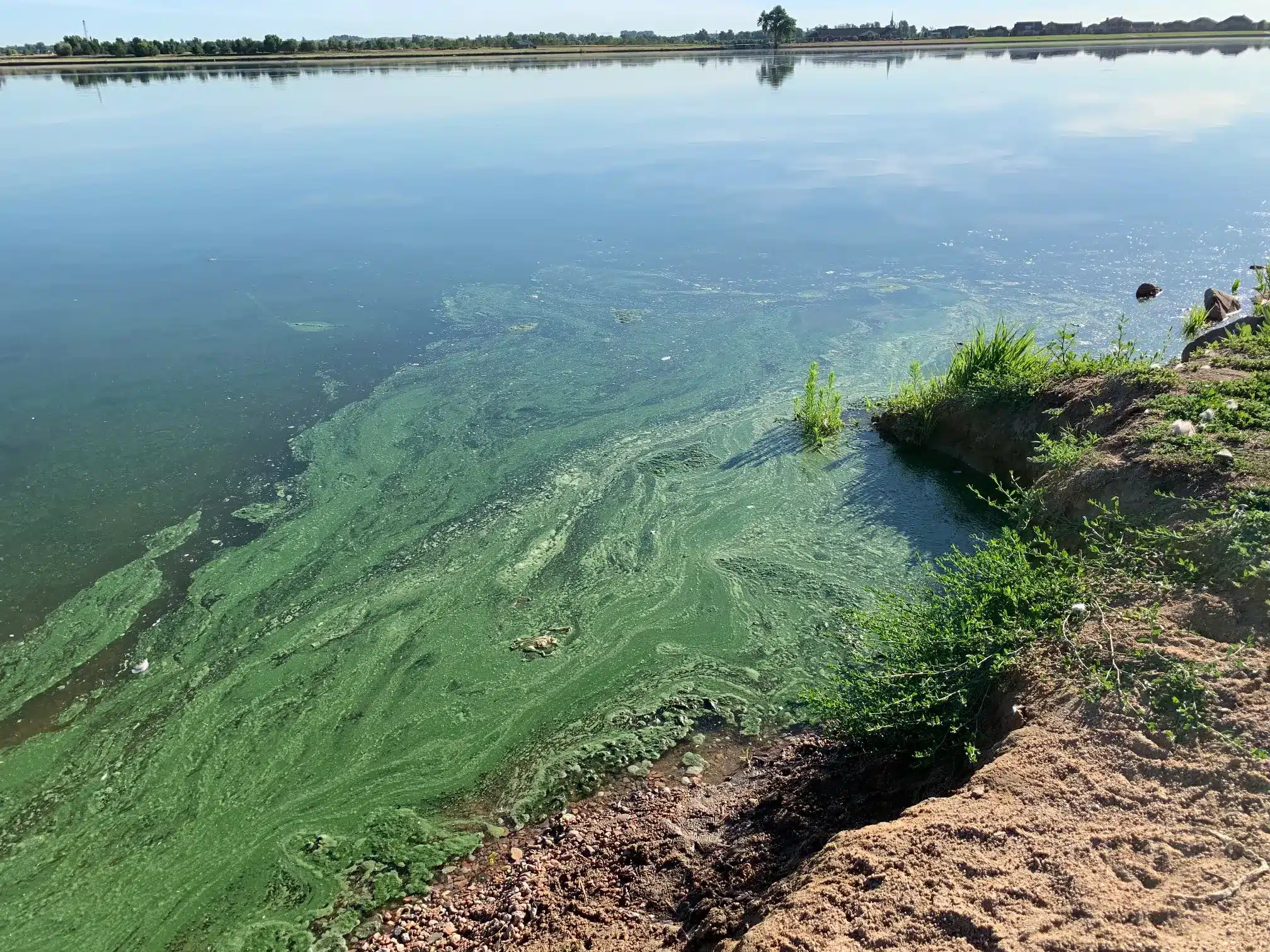
Excessive algae growth can transform a beautiful lake into an unsightly, potentially dangerous water body that threatens aquatic life and creates other problems such as fish kills and swimmers itch. This makes swimming, fishing, and recreational activities unpleasant or impossible. Similarly, water temperature is among one of the major driving factors for algae growth. Whether you’re dealing with green water caused by planktonic algae, unsightly algae mats floating on the surface, or toxic blue green algae that can produce toxins harmful to humans and pets. To resolve lake algae it’s important to implement effective control and understanding the types of algae you’re facing.
This comprehensive blog covers everything from immediate cleaning algae techniques that can clear visible algae problems within days, to long-term prevention strategies that address the root causes of excessive algae growth. You’ll learn about algae treatments including, natural solutions, mechanical removal methods, and crucial safety considerations to help you restore your lake for a healthier, algae free environment while protecting aquatic life and water quality in a cost effective way.
Immediate Algae Control Methods
When algae blooms threaten your lake’s ecosystem or make water unusable, immediate action is necessary to restore water quality and protect aquatic life. Rapid physical removal methods, such as skimming algae mats from the surface or using specialized algae nets, can provide quick visible improvement. However, these methods address only the symptoms and not the root causes of algae growth. It is important to understand that killing algae without addressing the underlying ecological balance can lead to further problems. Dead algae sinks and decomposes, releasing nutrients back into the water, which can fuel new algae blooms and deplete oxygen levels. This process creates hypoxic “dead zones,” which are uninhabitable for aquatic life and favor cyanobacteria, which can thrive in low-oxygen conditions.
Therefore, effective lake algae control requires a comprehensive approach that includes physical removal, nutrient management, and long-term prevention strategies to maintain a healthier aquatic environment.
Understanding Different Types of Lake Algae
Successful algae control begins with accurate identification, as different types of algae require different treatment approaches to effectively kill lake algae. Planktonic algae floats freely throughout the water column, causing water to appear green, brown, or red depending on the species. This microscopic algae is often the culprit behind murky pond water that reduces visibility and blocks sunlight from reaching beneficial aquatic plants below the surface. Filamentous algae, commonly called string algae or water scum, forms visible algae mats and green threads that float on the water surface or attach to rocks and vegetation. This kind of algae is easier to control with the right methods.
Macrophytic algae like chara (stonewort) resembles other aquatic plants with distinct stems and leaves, often growing in shallow areas where it can establish root-like structures in the muck. This type requires more aggressive treatment since it can quickly colonize large fishing areas and interfere with boat navigation. The most concerning type is blue green algae, technically cyanobacteria rather than true algae. These organisms can produce toxins that pose serious health risks to humans, pets, livestock, and wildlife. Toxic algae blooms often appear as thick scums or mats and may have a foul odor. Swimming in water with toxic cyanobacteria can cause skin irritation, swimmers itch, gastrointestinal problems, and more severe health issues.
Algae Treatment Options
Effective algae control often involves a combination of methods tailored to the specific type of algae and the conditions of your lake. Manual removal using skimmers, rakes, or specialized algae nets can provide immediate improvement by physically removing algae mats and surface scums. However, manual removal is only a short-term fix, it does not address the root cause of algae growth, and the algae often return quickly, sometimes even more aggressively.
Natural approaches like applying barley straw release compounds that inhibit algae growth without harming fish or beneficial bacteria. However, natural methods are often slow to show results and can be unpredictable. Factors like water temperature, nutrient levels, and local ecology affect their effectiveness, and in many cases they cannot keep up with large-scale or recurring blooms. Maintaining a healthy balance of native aquatic plants around the shoreline also plays a crucial role in preventing excessive algae growth by competing for nutrients and providing habitat for aquatic life.

Barley straw used to get rid of algal blooms
Unlike manual, chemical, or purely natural methods that offer only temporary or unpredictable results, ultrasound technology provides a long-term, sustainable solution to harmful algal blooms in large water bodies. This is the best proven chemical-free algae control. Combining these strategies creates a sustainable, environmentally friendly approach to managing and preventing nuisance algae in your water body.
Natural and Biological Algae Control
Grass carp were introduced intentionally to control aquatic plants, but concerns over escape and unintended breeding led to the development of sterile (triploid) fish to avoid ecological disruption. Algae-eating creatures like tadpoles, aquatic snails, and certain fish species can significantly reduce algae problems over time. However, stocking grass carp requires careful consideration – while small grass carp control algae, larger specimens often switch their diet to more desirable aquatic plants, potentially creating new vegetation management challenges.
Maintaining 30-40% shoreline coverage with beneficial aquatic plants creates natural competition that helps prevent algae growth by absorbing excess nutrients before algae can utilize them. Native species like water lilies, cattails, and submerged oxygenated water plants not only compete with algae for nutrients but also provide habitat for fish and other aquatic life.
Beneficial bacteria and enzyme treatments represent an increasingly popular natural solution that works by accelerating the breakdown of organic debris and excess nutrients in water. These treatments introduce specific bacterial strains that outcompete algae for food sources while improving overall water quality. However, unlike other treatments, biological approaches typically require several weeks to show visible results but provide more sustainable long term solution.
Preventing Future Algae Growth
Long-term algae prevention focuses on controlling the environmental conditions that allow excessive algae growth to occur. Limiting sunlight exposure using shade mats or strategically planting trees around edges reduces the photosynthetic energy available to algae while following manufacturer instructions for proper installation and maintenance.
Installing borders and buffer zones around lakes prevents nutrient-rich runoff from entering the water, addressing one of the primary causes of algae problems. Agricultural runoff, lawn fertilizers, and animal waste contribute significant amounts of nitrogen and phosphorus that directly fuel algae growth. Even a 25-50% reduction in nutrient loading can dramatically reduce bloom frequency and severity. Proper fish feeding practices play a crucial role in prevention – overfeeding results in leftover food that decomposes and adds nutrients to the water. Feed only what fish can consume within 5-10 minutes, and consider reducing feeding during warm weather when algae growth accelerates. Livestock fencing prevents direct access to water sources, eliminating a major source of nutrient input from animal waste while protecting water quality. Alternative watering systems can provide livestock access while maintaining separation from the main water body.
The most effective prevention strategies address multiple factors simultaneously:
- Nutrient management: Control external inputs from fertilizers, runoff, and waste
- Habitat enhancement: Maintain diverse aquatic plant communities
- Water circulation & aeration: Ensure adequate movement to prevent stagnation
- Water Quality Monitoring: Regular testing of water quality parameters
- Integrated approach: Combine multiple prevention methods for maximum effectiveness
Safety Considerations and Environmental Impact
Before applying any treatments to kill algae, contact local fisheries personnel or environmental agencies to understand regulations and obtain necessary permits. Water supply contamination represents a serious concern when using chemicals. Hence, environmentally friendly solutions need to explored.
Monitor treated areas carefully for signs of oxygen depletion, which typically manifests as fish gasping at the surface, particularly during early morning hours when dissolved oxygen naturally reaches daily minimums. If these symptoms appear, immediate aeration or water circulation may prevent fish kills and restore healthy oxygen levels. The long-term environmental effects of chemical herbicides on lake ecosystems remain incompletely understood, making integrated management approaches that minimize chemical dependence increasingly important. Repeated chemical treatments can lead to resistant algae populations and may impact beneficial microorganisms. Emergency preparedness should include contact information for local environmental agencies, veterinarians familiar with algae toxicity, and poison control centers.
Professional Consultation
Professional consultation becomes particularly valuable when dealing with large water bodies, sensitive ecosystems, or persistent algae problems that don’t respond to initial treatment efforts. Experienced lake managers can help develop comprehensive management plans that balance immediate needs with long-term ecological health.
The most successful algae control programs combine immediate intervention methods with sustainable prevention strategies, creating a healthier environment for fish, aquatic plants, and human recreation while minimizing the need for repeated chemical treatments. By understanding the different options available and their appropriate applications, lake owners can make informed decisions that protect both water quality and the broader ecosystem. Regular monitoring and adaptive management allow for adjustments based on seasonal changes, weather patterns, and the specific characteristics of each water body. This comprehensive approach to algae control ensures that treatments remain effective while supporting the diverse aquatic life that makes lakes and large water bodies valuable ecological and recreational resources.