Free Guide
Keep your lake open through the 2026 algae season
TECHNICAL EDITION · 21-PAGE PDF
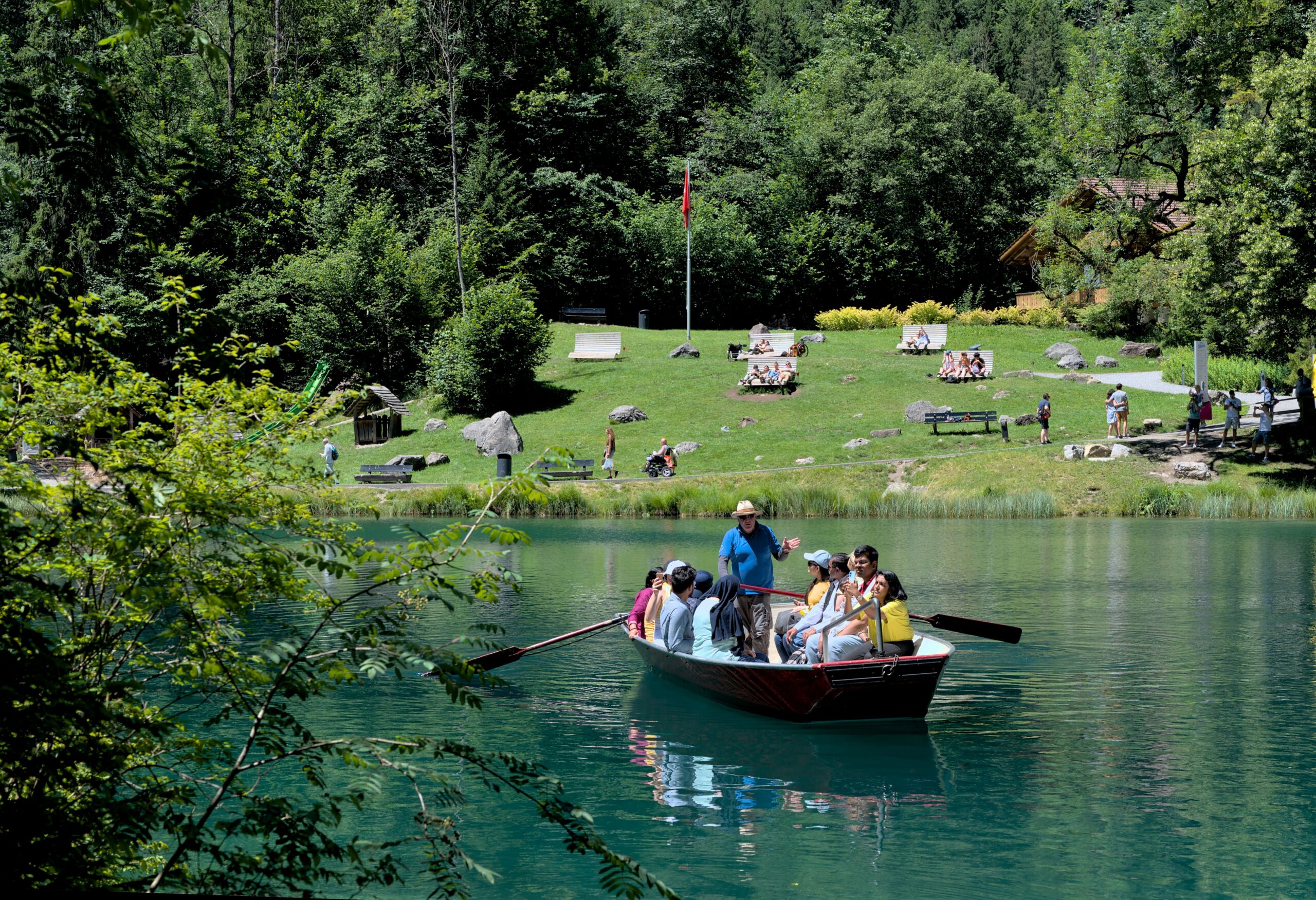
A comprehensive guide for lake managers & owners
You already know the pattern: warm weather, a green bloom, and the pressure to close the water just as everyone wants to use it. As summer arrives, holiday season kicks off, and tourism surges, many recreational lakes experience their most severe algae blooms. In the Northern Hemisphere, this typically occurs between June and September, while in the Southern Hemisphere, it’s usually between December and February. Every closed day costs revenue, goodwill, and trust.
The Recreational Lake Technical Guide 206 is a practical playbook made for lake managers and owners: why recreational lakes bloom, what a closure really costs, how every control method compares, and how to stay open without chemicals.
What’s inside
The straight-talking playbook for staying ahead of algae season: what to watch, what to do, and when.
- •Everything you need to keep your lake open this season, based on research.
- •Why recreational lakes bloom and why summer stacks the odds against you.
- •What a closed lake really costs is the number that reframes the whole decision.
- •An honest, side-by-side comparison of every control method, including the trade-offs vendors tend to skip.
- •The chemical-free, whole-lake approach that keeps water open for swimmers, fish, and pets.
- •When to act a season-ahead checklist you can run before the bloom, not after.
- •Real recreational results: what changed, and how fast.
- •A technical reference to keep on hand: toxin alert thresholds, spot-and-respond first aid, a glossary, and 2026 sources.
Prefer the quick version first? Read our recreational lake algae control overview – the downloadable guide goes deeper.
Get the free guide
Answer two quick questions and the download will automatically starts.

Interested in other technical guides?
Email [email protected] to request a technical guide based on your water industry.
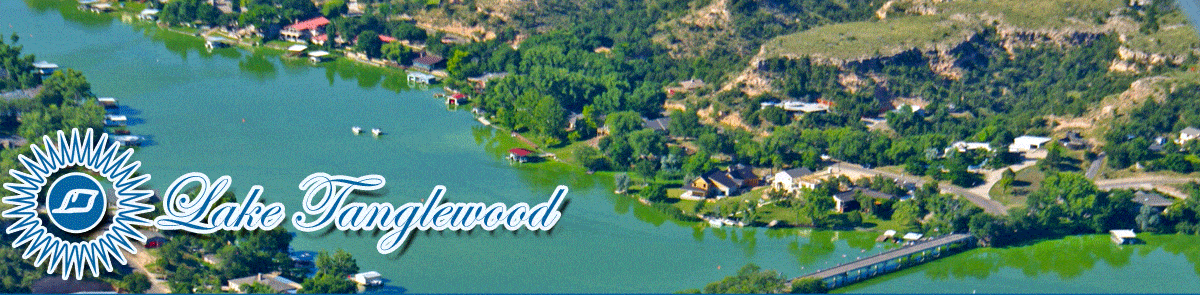
“Without LG Sonic, we would have had a major die-off. The system helped the lake buffer naturally and recover faster.”
– Dr. William Rogers, Lake Tanglewood