


Reduce blue-green algae
For anyone managing recreational lakes, lagoons, large ponds, water reservoirs, and public waters, the growth of blue-green algae in the surface water presents a economic and health problem. A blue-green algae bloom is a closed lake, a health advisory, and a flood of complaints, all at once.
Blue-green algae are cyanobacteria: they produce a foul odour and release cyanotoxins that pose a real risk to swimmers, pets, and wildlife. The World Health Organization recognises that algae in recreational waters can endanger health and restrict access. Every season, blooms force lakes to close, costing public access, recreation revenue, and reputation, and leaving managers with a liability they can’t ignore.
Traditional chemical treatments often mean closing the lake and applying for permits. There’s a better way to keep the water clear and open.
Talk to an expert

What is a lake?
A lake is a sizeable body of water surrounded by land and not directly connected to the sea, apart from through rivers or streams. Lakes are typically fed by precipitation, groundwater, and inflowing rivers, and they can range from small ponds a few metres across to vast inland seas spanning thousands of square kilometres.
What sets a lake apart from a pond is depth and structure. Lakes are deep enough that sunlight cannot reach the bottom across their whole area, which creates separate temperature and light layers within the water. These layers shape how nutrients circulate and where blue-green algae accumulate, which is why recreational lakes need a different approach to algae control than shallow ponds.
What defines a lake?
While there is no single universal threshold, freshwater scientists generally distinguish lakes from ponds using a few practical criteria:
- Depth: deep enough to develop a dark, sunlight-free bottom layer, often cited as more than 2 metres at the deepest point.
- Thermal layering: the water separates into warm upper and cool lower layers during summer, a process called stratification.
- Surface area: large enough that wind generates waves, distributing algae and oxygen across the water.
- Light penetration: sunlight reaches only the upper “photic” zone, not the entire water column.
Why recreational lakes need specialized algae control
Recreational lakes differ from ponds in ways that directly affect algae management. Unlike shallow ponds where sunlight reaches the bottom, lakes are deep enough to create distinct zones: a sunlit “photic zone” near the surface where algae thrive, and a dark “aphotic zone” below. Blue-green algae concentrate at the surface, exactly where swimmers and boaters are exposed. Lakes also experience thermal stratification, where warm surface water separates from cold deep water, trapping nutrients that fuel sudden blooms during seasonal turnover. These dynamics make lake algae control more complex than pond treatment.
Unlike chemical treatments requiring lake closures and permits, ultrasound provides continuous, chemical-free protection that scales effectively for large recreational water bodies.
Recreational lake webinar
Benefits of ultrasonic algae treatment

Safe for fish, plants and aquatic life

Keep the recreational lake open all year

Prevent toxic algal blooms in water
Protect your surface water quality in recreational lakes
Stop blue-green algae and the closures, health advisories, and odour complaints it brings without chemicals, permits, or shutting your lake.
- Keeps the lake open
- 100% safe for the environment
- No release of algal toxins
- Low power ultrasound
Challenges of blue-green algae
In recreational lakes, lagoons, large ponds, water reservoirs, and public waters, the growth of blue-green algae presents a global problem. These types of algae represent a group of bacteria known as cyanobacteria, which give rise to a distinct foul odour and are also known to produce toxins.
Each year, numerous lakes are forced to close for recreational and other uses, impacting public health and operations due to the growth of blue-green algae. At LG Sonic, we offer environmental and lake management services to every lake with multiple installations in the United States, Europe, and Asia.
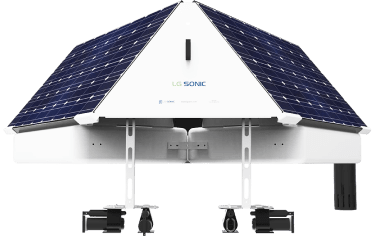
MPC-Buoy
All-in-one solution for controlling algae in lakes and reservoirs.
Questions?
Receive more information and a free quotation.













Frequently asked questions
-
What is the impact of LG Sonic ultrasound on zooplankton?
Recent studies commissioned by the Dutch water board and conducted by research agency Ecofide have concluded that the LG Sonic ultrasound is safe for fish, plants, zooplankton, and other aquatic organisms.
-
Why control the algae if nutrients are the problem?
Reducing nutrients is, of course, also necessary but difficult to achieve, even in the long-term. The majority of nutrient management methods are costly and require frequent dosing with unknown side-effects for the aquatic ecosystem. Besides, the duration and intensity of algal bloom events is strongly depended not only on nutrients but also on a combination of environmental factors, such as climate change, weather patterns, and an unbalanced ecosystem.
-
What kind of water does your ultrasound work in?
Based on our installation and existing clients worldwide, the MPC-Buoy technology has been tested and can be installed in freshwater, saltwater, and even brackish water.
-
What’s the largest water body that has LG Sonic implemented? Any issues linking many buoys?
We have multiple projects with large numbers of MPC-Buoy units installed. For example, in Dominican Republic, 50 MPC-Buoys are in operation in a 7km2 reservoir. The buoys communicate with each other for optimal treatment.
-
What's the minimum depth of water required for LG Sonic treatment?
We recommend a minimum water depth of 3 feet / 1 meter.