


Algae Degrade Water Quality
For a drinking water utility, an algal bloom isn’t a nuisance; it’s a compliance, cost, and continuity problem at once.
Some species produce geosmin and MIB, the compounds behind taste-and-odour complaints that drive customer calls and regulatory attention. Others release cyanotoxins that pose a direct health risk. And according to the U.S. Environmental Protection Agency, harmful algal blooms can disrupt drinking water treatment outright.
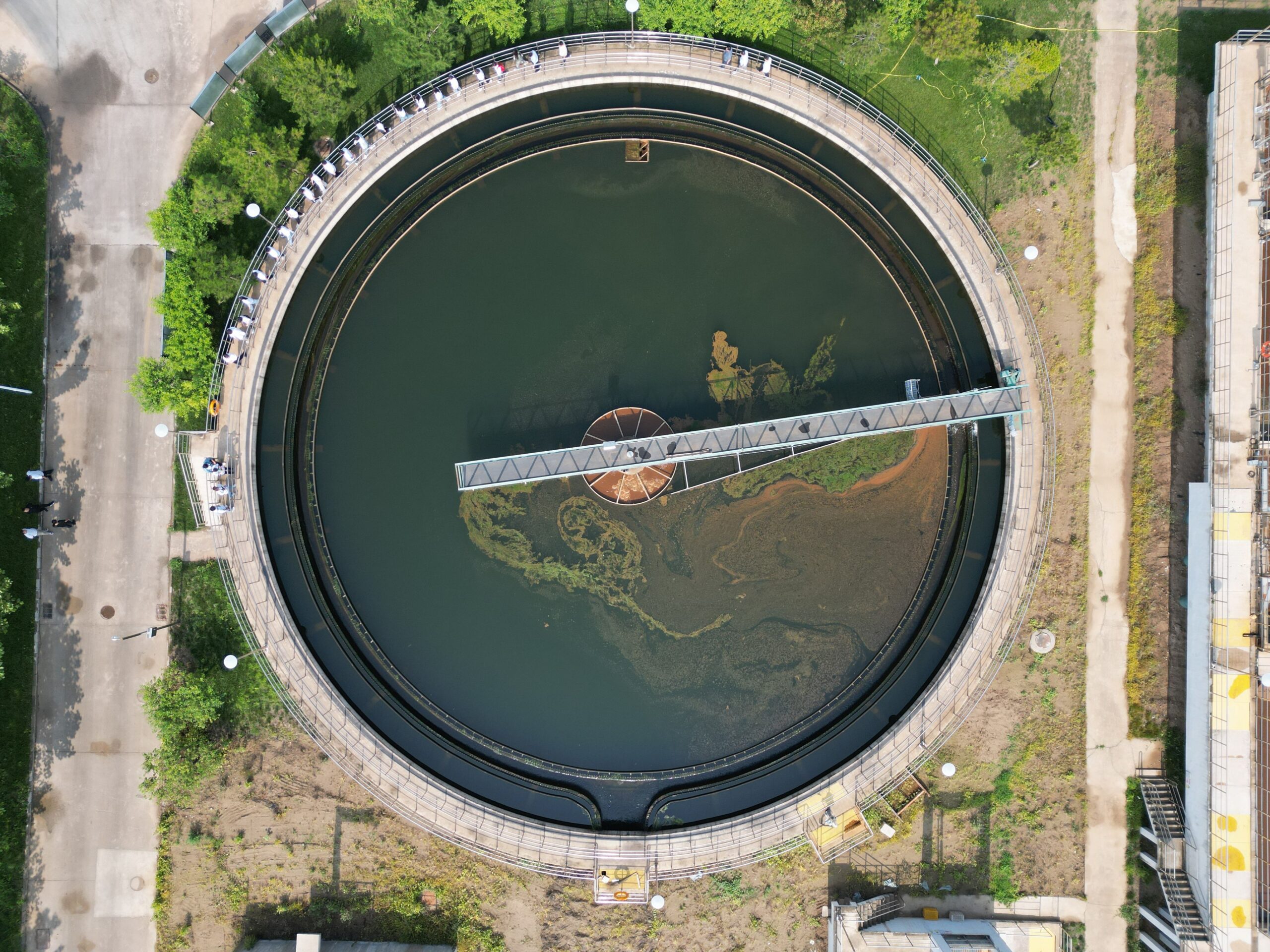
Left untreated at the source, algae carry straight into the plant, clogging filters, forcing more frequent backwashing, and pushing up chemical dosing. At worst, that means service interruptions or an operational shutdown.
Controlling algae in the reservoir before it reaches treatment removes the problem at its origin.
Talk to an expert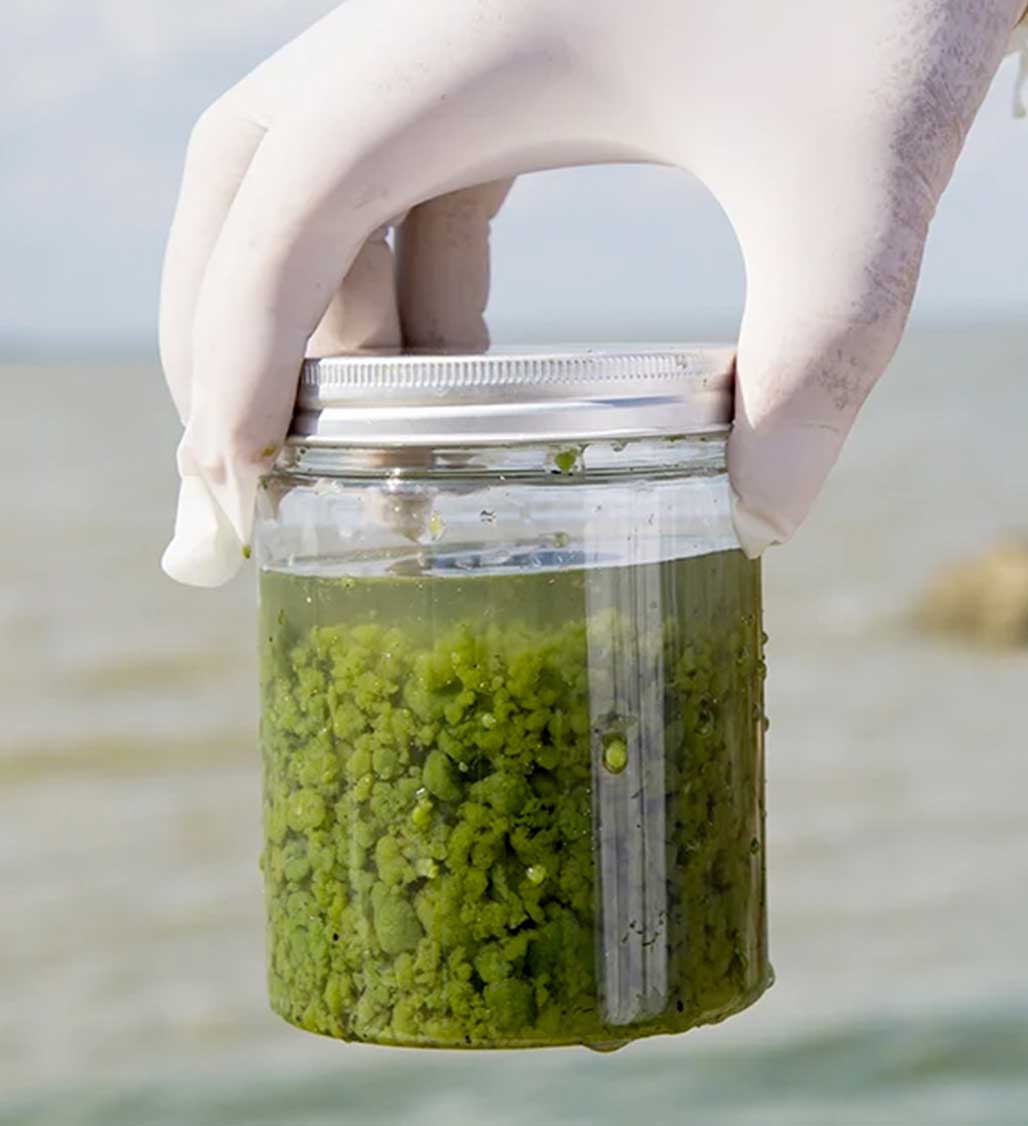

What is a drinking water reservoir?
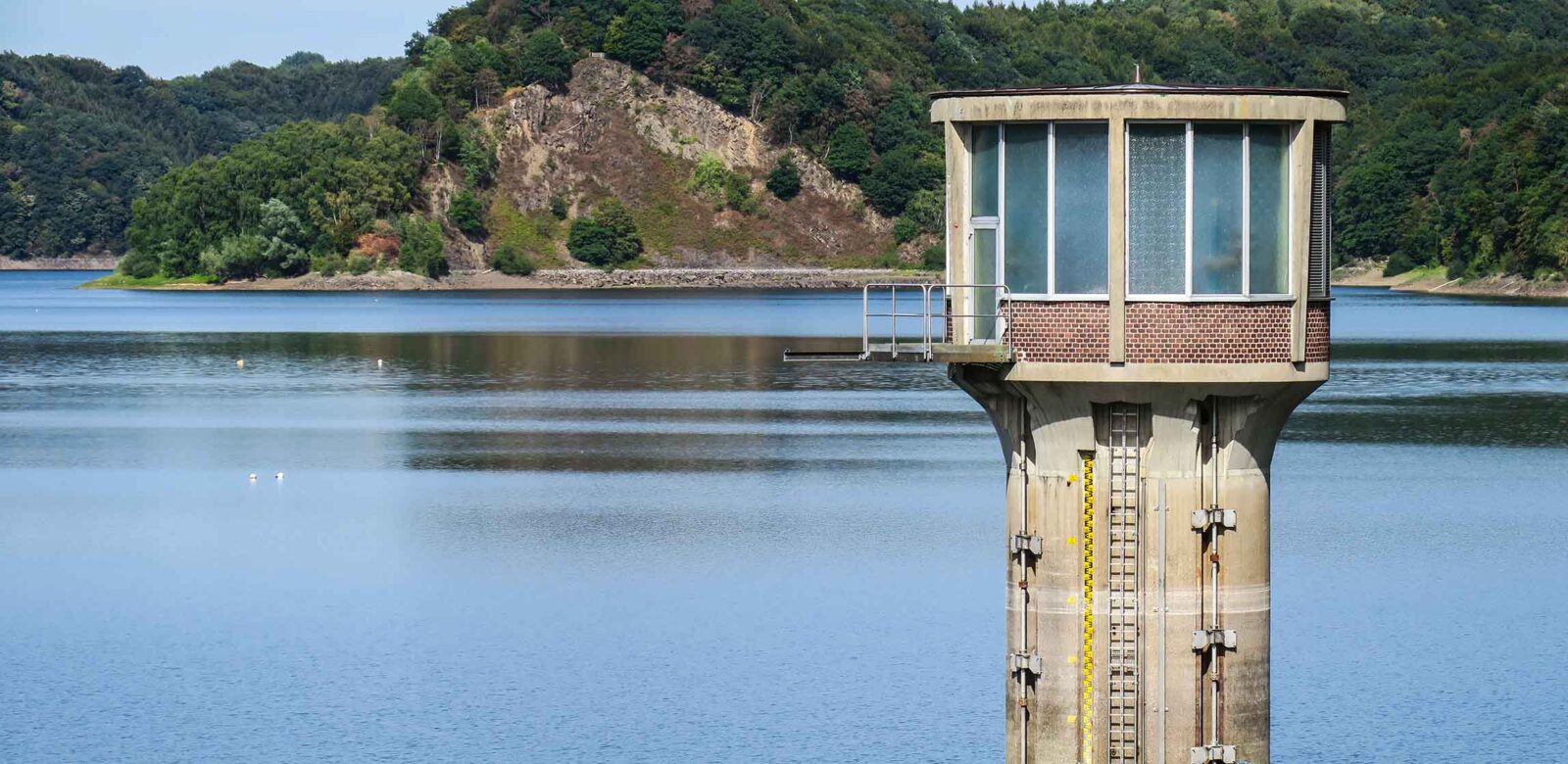
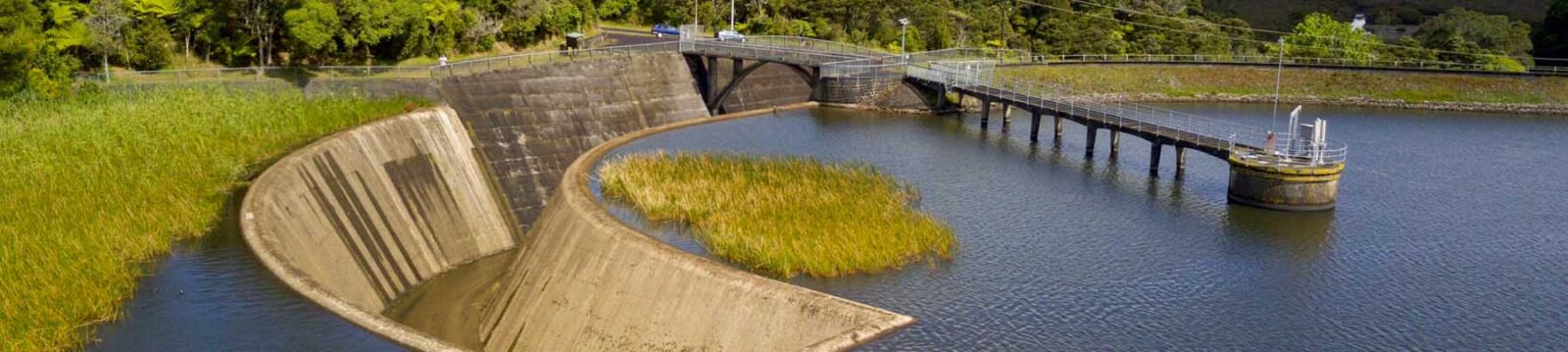
A drinking water reservoir is a large body of stored raw water, natural or man-made, held before it enters a treatment plant for purification and distribution. Reservoirs give utilities a buffer of supply and a place where raw water sits, sometimes for weeks or months, ahead of treatment. That storage is essential for reliable service, but it also gives algae time and conditions to grow before the water ever reaches the plant.
Because the water is nutrient-rich, exposed to sunlight, and often warm near the surface, reservoirs are prone to algal blooms that begin at the source. Once algae proliferate, they carry into the treatment process, driving taste-and-odour complaints, higher chemical dosing, clogged filters, and, in the worst cases, cyanotoxin risk. Controlling algae in the reservoir itself, before the water is drawn into the plant, addresses the problem at its origin rather than downstream.
What defines a drinking water reservoir?
Drinking water reservoirs vary widely in size and design, but they share a few defining characteristics:
- Raw, untreated water: stores source water before purification, not finished drinking water.
- Large storage volume: holds enough supply to buffer demand, often across seasons.
- Source-stage position: sits upstream of the treatment plant, so water quality here shapes everything downstream.
- Bloom-prone conditions: nutrients, sunlight, and warmth make it vulnerable to algae before treatment begins.
Why do drinking water reservoirs need source-level algae control?
Drinking water reservoirs differ from other water bodies because of where they sit in the supply chain: everything that grows here flows downstream into treatment. When algae bloom in the reservoir, they don’t stay in the reservoir. They carry into the plant, where they clog filters, force more frequent backwashing, and drive up coagulant and chlorine dosing. Some species release geosmin and MIB, the compounds behind taste-and-odour complaints that are far cheaper to prevent at the source than to strip out downstream. Others release cyanotoxins that raise direct compliance and health concerns. Because raw water often sits in storage for weeks before treatment, blooms have ample time to establish, which is why intercepting them in the reservoir matters more than reacting at the plant.
Unlike chemical dosing applied during treatment, which addresses algae only after it has already reached the plant, ultrasound controls algae in the reservoir itself, before the water is ever drawn in. It works continuously, without chemicals, and scales across reservoirs of any size, protecting raw water quality at its origin and keeping the treatment process stable and uninterrupted.
Tips for water utilities
Benefits of ultrasonic algae treatment

Lower Chemical Expenses

Improve Operations of Filters and Pipes

Prevent Toxic Algal Blooms
Protect your drinking water reservoirs
Stop algae at the source, protect raw water quality, cut chemical and treatment costs, and keep your plant running without interruption.
- Low-power ultrasound, no cavitation
- No release of algal toxins
- 100% safe for the environment
- Works in any reservoir
Effective Algae Control for Drinking Water Reservoirs
Regulate and anticipate algae blooms in your reservoir to mitigate adverse effects throughout the entire treatment process. By treating raw water as a crucial step, you ensure consistent and adequate drinking water quality and quantity.
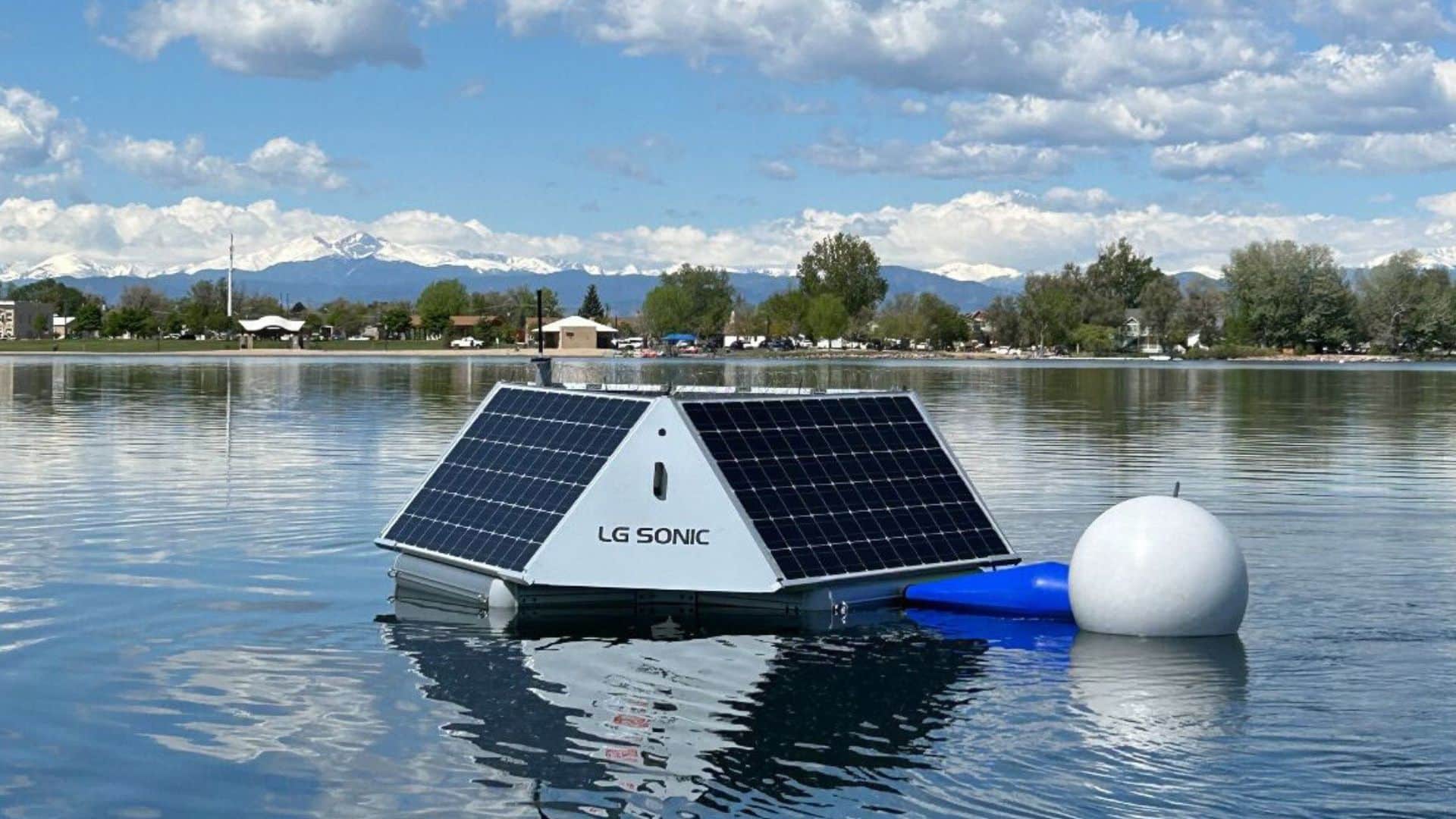
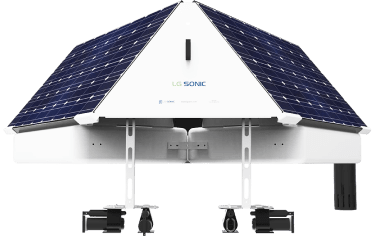
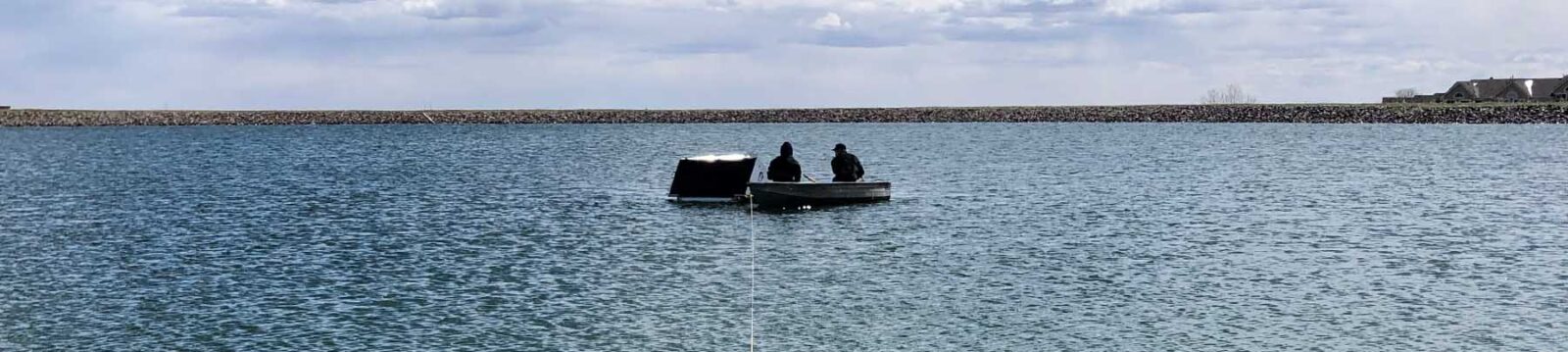
The MPC-Buoy does this for you. It monitors water quality parameters in real-time, controls algae growth with ultrasound, and predicts new blooms days before they occur.
MPC-Buoy
All-in-one solution for controlling algae in drinking water reservoirs.
Questions?
Receive more information and a free quotation.










Drinking Water Insights

Frequently asked questions
-
What is the impact of LG Sonic ultrasound on zooplankton?
Recent studies commissioned by the Dutch water board and conducted by research agency Ecofide have concluded that the LG Sonic ultrasound is safe for fish, plants, zooplankton, and other aquatic organisms.
-
Why control the algae if nutrients are the problem?
Reducing nutrients is, of course, also necessary but difficult to achieve, even in the long-term. The majority of nutrient management methods are costly and require frequent dosing with unknown side-effects for the aquatic ecosystem. Besides, the duration and intensity of algal bloom events is strongly depended not only on nutrients but also on a combination of environmental factors, such as climate change, weather patterns, and an unbalanced ecosystem.
-
What kind of water does your ultrasound work in?
The MPC-Buoy technology can be installed in freshwater, salt water, and brackish water.
-
What’s the largest water body that has LG Sonic implemented? Any issues linking many buoys?
We have multiple projects with large numbers of MPC-Buoy units installed. For example, in Dominican Republic, 50 MPC-Buoys are in operation in a 7km2 reservoir. The buoys communicate with each other for optimal treatment.
-
What's the minimum depth of water required for LG Sonic treatment?
We recommend a minimum water depth of 3 feet / 1 meter.