


Recreational lake algae control has one job for most managers: keep the lake open, safe, and pleasant through the whole season. When a bloom hits in July, that job gets hard fast.
A green, scummy lake means posted advisories, canceled swimming, anxious pet owners, and a flood of complaints, often right before a busy holiday weekend. As of July 7, 2026, California State Parks reported that Silverwood Lake State Recreation Area was closed to all swimming and water contact after blue-green algae toxins reached the Danger Advisory Level at both swim beaches. For a lake manager, that is the real risk of a summer bloom: not just green water, but lost access when demand peaks. This guide covers why recreational lakes bloom, what those blooms cost, how the main treatment options compare, and where a chemical-free approach fits.
The short answer
For a recreational lake, the most reliable approach is a season-long program, not a one-time treatment. Real-time monitoring catches bloom conditions early, nutrient and oxygen measures improve the water, and chemical-free ultrasonic algae control helps limit blue-green algae scums without closing the lake. LG Sonic fits best when a lake needs ongoing monitoring, chemical-free control, and no treatment-related swimming or boating closures.
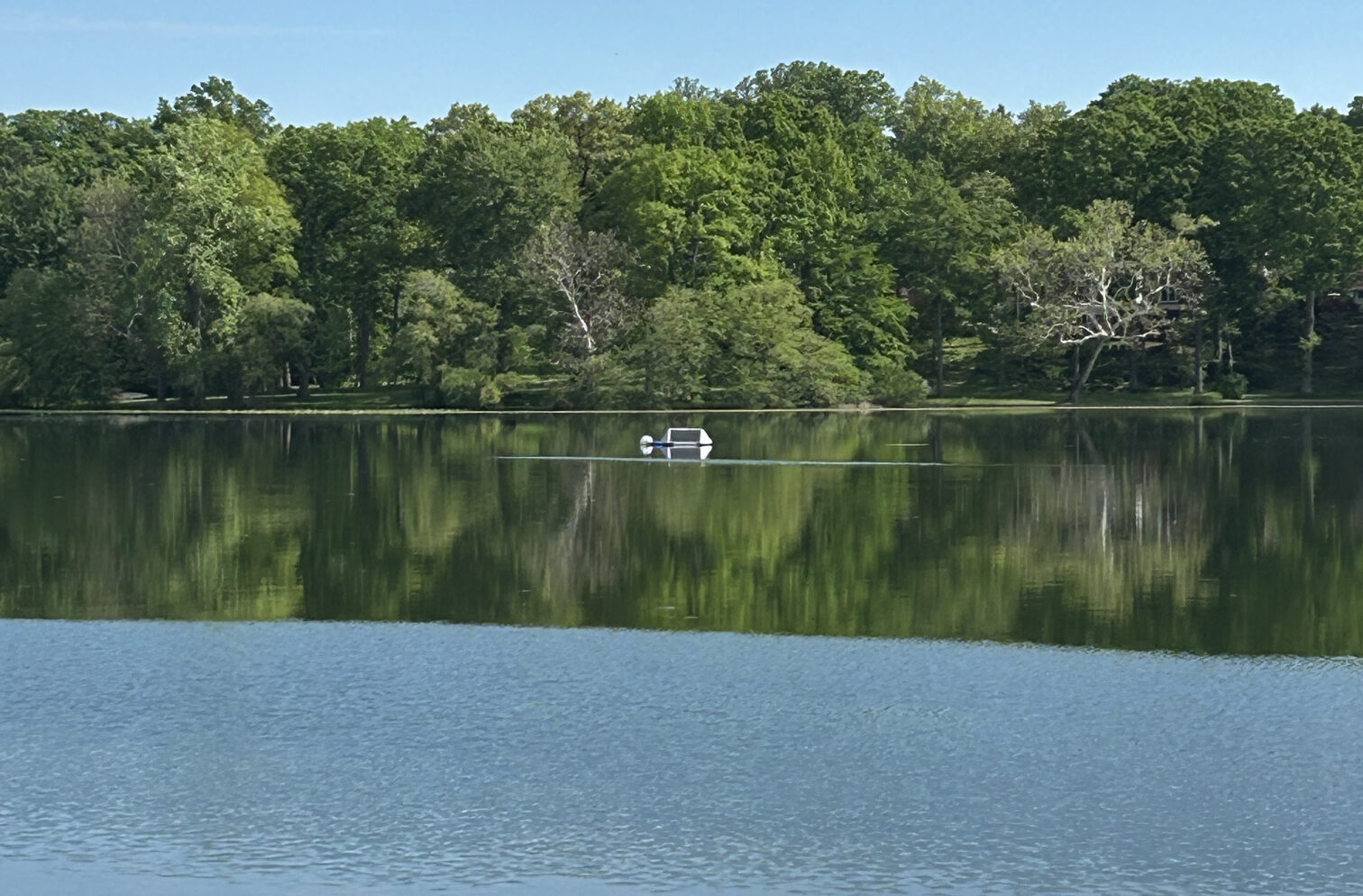
Key points
- Blooms peak in mid to late summer, when heat, sunlight, and nutrients line up. The 2026 season has already produced early, danger-level advisories at popular lakes.
- The real cost is rarely the algae itself. It is the closures, lost recreation revenue, health advisories, and reputation damage that follow.
- Chemical algaecides act fast, but they can trigger closures, permits, toxin release, and repeat blooms.
- Chemical-free lake management that pairs ultrasonic treatment with real-time monitoring is designed to keep the water open and safe for fish, pets, and swimmers.
- Acting before a bloom forms is far cheaper and more effective than reacting once the scum appears.
Why do recreational lakes get algae blooms?
Blooms happen when four ingredients line up: nutrients, warm water, sunlight, and slow movement. Because summer delivers all four at once, most recreational lakes see their worst algae in the Northern Hemisphere between June and September, and for the Southern Hemisphere it is between December and February. So the timing rarely comes as a surprise, even though the severity can.
Nutrients are usually the trigger. Phosphorus and nitrogen wash in from lawn fertilizer, agricultural runoff, stormwater, failing septic systems, and waterfowl. Once those nutrients settle into the sediment, the lake can keep feeding blooms for years through internal loading. You can read how these sources build up in our guide to nutrient pollution and on managing eutrophication in lakes.
Warm, still water then does the rest. When surface temperatures climb above roughly 20°C, buoyant cyanobacteria gain an advantage over other algae and rise to form the thick surface scums people notice. Those “blue-green algae” are actually cyanobacteria, and many of them release toxins. That distinction matters because the scums that look worst are often the ones that carry the real health risk. Hotter, longer summers are extending the bloom window too, which is why forecasters warn of earlier, larger blooms. NOAA, for example, has forecast a moderate bloom for western Lake Erie in 2026.
What blue-green algae blooms cost a recreational lake
For a lake manager, algae is an operational and financial problem long before it is an aesthetic one. The impacts stack up quickly once a bloom takes hold.
- Closures and advisories. When toxin levels cross a threshold, health departments post warnings or shut the water entirely. That means no swimming, no boating, and sometimes no fishing, exactly when demand is highest. The World Health Organization recognizes that algae in recreational waters can endanger health and restrict access.
- Lost revenue. Closed beaches, empty campgrounds, canceled events, and refunded memberships hit the budget directly. The wider economic impact of algae blooms often dwarfs the cost of any treatment.
- Health and liability risk. Cyanotoxins such as microcystin can harm swimmers, and they are especially dangerous to dogs and small children who ingest water. Fish kills and sick wildlife draw further attention. The US EPA maintains guidance on cyanobacterial harmful algal blooms and their effects.
- Reputation and complaints. One viral photo of a bright green lake can undo years of goodwill. Meanwhile, the phone rings off the hook, and staff spend the season managing worried residents instead of the water.
Because these costs land during peak season, effective recreational lake algae control is really about protecting access, safety, and reputation, not just clarity.
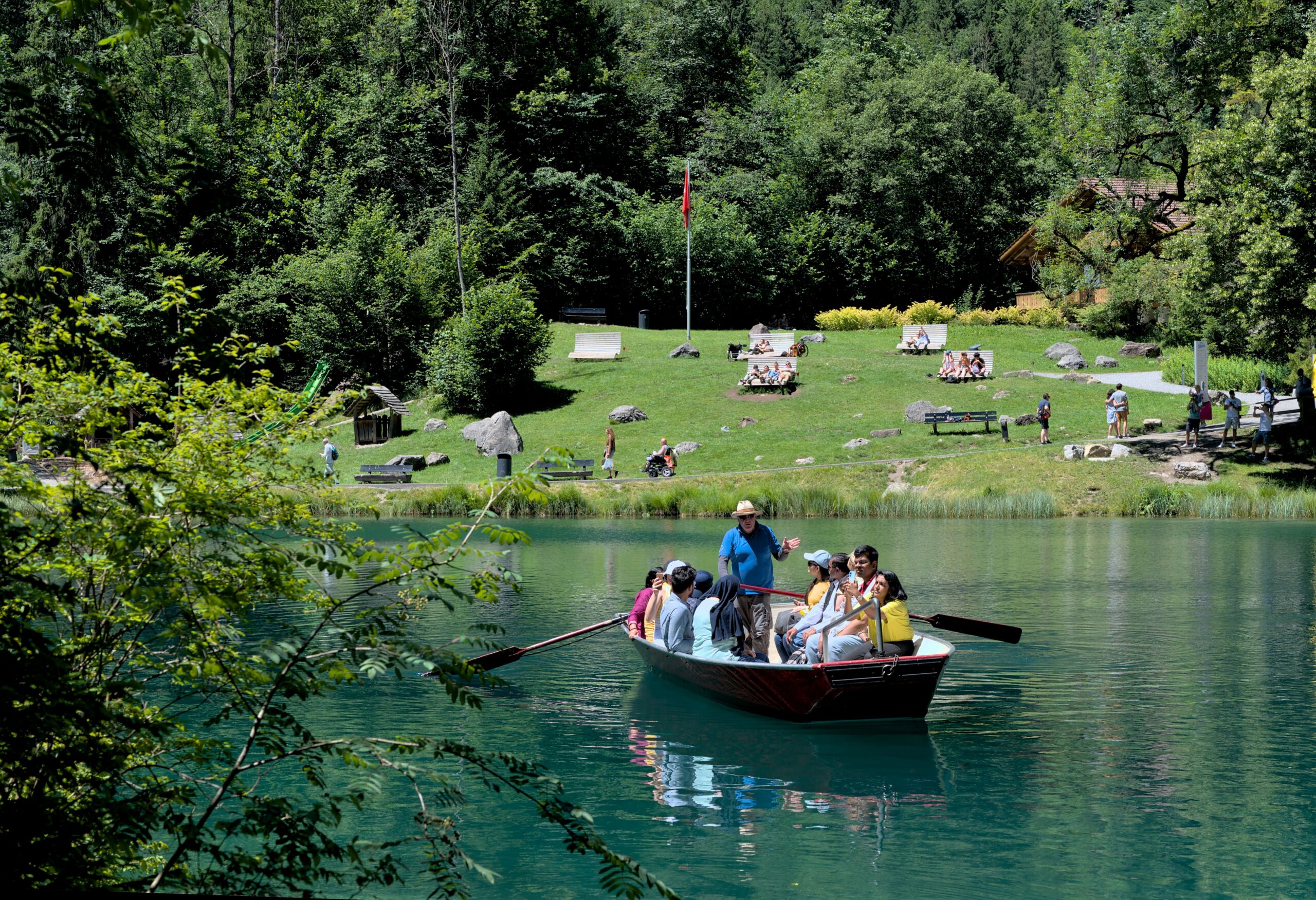
Recreational lake algae control methods, compared
No single method suits every water body. Successful programs usually combine targeted treatment, prevention, and monitoring. Here is how the common recreational lake algae control methods stack up, with honest limitations for each.
1. Chemical algaecides (copper and peroxide)
Copper sulfate and hydrogen peroxide knock a bloom down quickly, which is why they remain common. The trade-offs are real, though. Copper-based algaecides are toxic to fish and aquatic invertebrates, and species such as trout and koi are especially sensitive. Even when a dose is not directly lethal, the rapid algae die-off consumes oxygen as it decomposes, which can trigger fish kills, and copper can build up in the sediment over time. Add the permits, the closures, and blooms that return while the nutrients remain, and it treats the symptom rather than the cause.
2. Aeration and mixing
Aerators and mixers break up thermal stratification and raise dissolved oxygen, which can reduce the conditions buoyant cyanobacteria prefer. On its own, though, aeration does not treat the algae. It is best understood as a complementary measure that improves the lake environment alongside a control method, not as a solution by itself.
3. Nanobubble and oxygenation systems
Nanobubble systems push very fine bubbles into the water to lift oxygen levels and stress some algae. They are a newer option with promise in smaller water bodies. That said, coverage across a large recreational lake can be limited, and energy demand adds up.
4. Mechanical removal and harvesting
Skimming and harvesting clear visible mats fast, which helps right before an event. The limits show up quickly, though. Mechanical removal is impractical across deep or open water; it does nothing to stop the next bloom, and dredging in particular disturbs the sediment ecosystem and can resuspend the nutrients stored there. It clears what you can see and leaves the drivers in place.
5. Nutrient management
Cutting the nutrients that feed blooms is the most durable idea of all, yet it is the hardest to act on. Most of the load arrives from the wider watershed, which sits outside a lake manager’s control. Worse, the phosphorus already locked in the sediment keeps releasing for years, and in some lakes for decades, so blooms can continue long after external inputs are reduced. It matters over the long term, but it rarely solves this season’s problem.
6. Ultrasonic algae control
Ultrasonic algae control is a chemical-free, in-water method suited to larger lakes, ponds, and reservoirs. Specific low-power frequencies interfere with the buoyancy of cyanobacteria, so they struggle to reach the surface and form dense scums. Because it uses no chemicals, it needs no permits and does not close the lake, and it is safe for fish, plants, and swimmers. It is not an instant biocide, though, and results depend on correct design, placement, and pairing with monitoring. Our ultrasonic algae control page explains how it works.
7. Real-time water quality monitoring
Monitoring does not remove algae, yet it is the layer that makes everything else work. Continuous readings of chlorophyll-a, phycocyanin, dissolved oxygen, pH, and temperature give early warning days before a bloom becomes visible. With that data, you can act during the window when intervention is cheapest.
| Method | How it works | Keeps the lake open? | Chemical-free? | Main limitation |
|---|---|---|---|---|
| Copper / peroxide algaecides | Kills algae cells on contact | Often no (permits, closures) | No | Toxic to fish and aquatic invertebrates; die-off can crash oxygen; blooms return |
| Aeration & mixing | Destratifies, raises oxygen | Yes | Yes | Supports the lake, complementary solution |
| Nanobubbles | Fine bubbles raise oxygen | Yes | Yes | Aids oxygen, not a direct algae treatment; coverage limits on large lakes |
| Mechanical removal | Skims or harvests surface mats | Yes | Yes | Impractical in deep water; disturbs the sediment ecosystem; not preventive |
| Nutrient management | Cuts phosphorus and nitrogen | Yes | Yes | Mostly outside your control, sediment can feed blooms for years |
| Ultrasonic algae control | Limits cyanobacteria buoyancy, chemical-free | Yes | Yes | Not an instant biocide; works best with monitoring |
| Real-time monitoring | Early-warning data for decisions | Yes | Yes | Guides action; does not remove algae by itself |
One pattern stands out. Most of these act on a symptom or a single moment, and none of them, on its own, tracks how the lake is actually changing. A lake is a system, so the gap they leave is the same one: no continuous read on the water, and no way to adapt as it shifts. Effective recreational lake algae control closes exactly that gap.
What is the best chemical-free recreational lake algae control method?
For managers who need the lake to stay open, the most effective chemical-free option treats the lake as a system, not a symptom. It does three things together: it monitors the water continuously, treats algae without chemicals, and predicts how conditions will shift, so the response adapts instead of repeating a fixed dose. That is the difference between chasing each bloom and staying ahead of it.
This is where LG Sonic fits. LG Sonic provides chemical-free ultrasonic algae control paired with real-time water quality monitoring for lakes, reservoirs, and ponds. The systems run in more than 60 countries for over 100 clients.
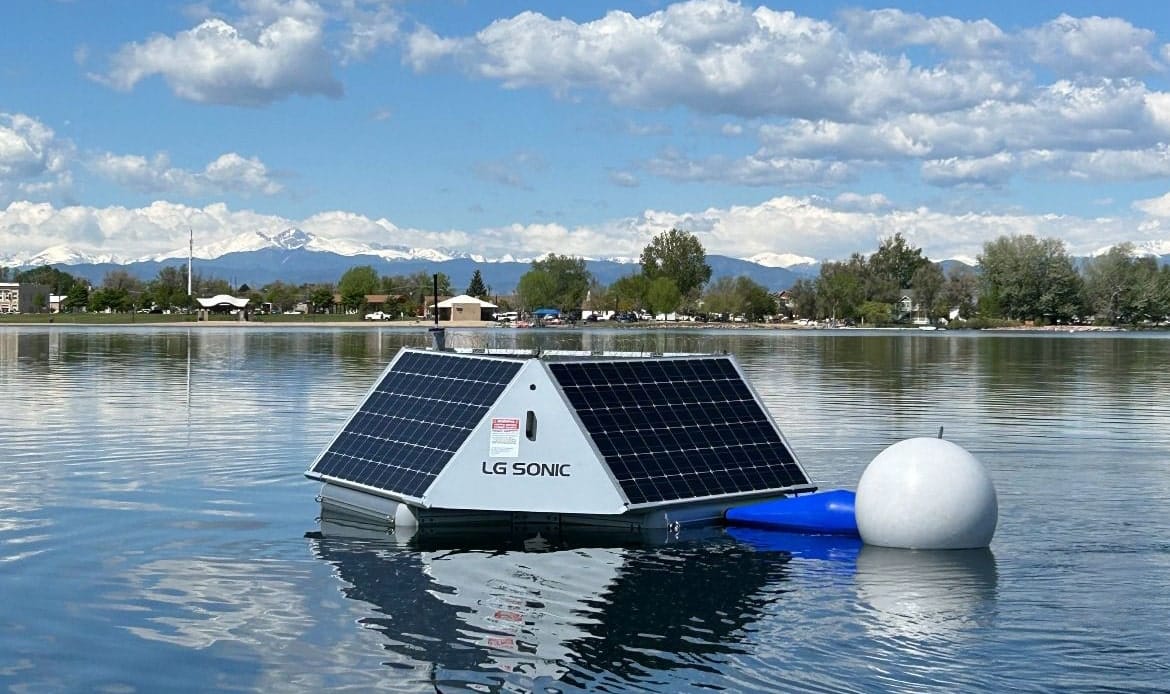
The MPC-Buoy combines both functions in one floating unit. It tracks chlorophyll-a, phycocyanin, dissolved oxygen, pH, and temperature, then applies programmed ultrasound to limit blue-green algae at the surface. Because it uses no algaecides, there are no chemical-treatment residues and no planned treatment closures, and it avoids the toxin spike that comes from killing cyanobacteria cells with chemicals. Local installation or waterbody permits may still apply, depending on the site. Ongoing real-time water quality data turns the buoy into an early-warning system as well as a treatment.
Honest limitations still apply. Ultrasound is not a fast-acting biocide, so it will not clear an established scum overnight, and very small, fast-flowing channels are not a good fit. It works best as an ongoing, monitored program on lakes and larger ponds. Used that way, it is a strong complementary tool alongside aeration or nutrient work.
Two recreational deployments show the pattern. At Three Rivers, a public open space with two lakes used for water skiing, fishing, and sailing, LG Sonic addressed recurring algae blooms without chemicals and kept the water usable. At Zoetermeer in the Netherlands, a leisure lake that had been closed to swimmers in summer, five MPC-Buoys brought summertime phycocyanin concentrations 90% lower than the previous year, and an independent study found no negative impact on zooplankton.
For a broader overview of where LG Sonic’s recreational lake algae control fits within its wider offering, see the recreational lakes and lagoons solution.
Keep your lake open this season
As a lake manager or owner, keeping your lake open can avoid complaints. Get a free water quality assessment and a chemical-free plan built around your lake, your budget, and your season.
| Request a free assessment |
A whole-lake approach to recreational water management
Recreational lake algae control is not one device or one chemical application. On a lake where people swim, it is a program that runs all season. A lake is a living system, and its chemistry moves week to week, so a single treatment applied once works against a moving target. LG Sonic is not simply an algae-treatment supplier. For recreational water, the value is the combination of chemical-free control, real-time data, remote alerts, and site-specific programming, which together make it a surface water management system rather than a single product.
In practice, a whole-lake program includes:
- a baseline water quality assessment of the lake;
- continuous monitoring of the parameters that predict blooms;
- chemical-free cyanobacteria control tuned to the water body;
- data-based adjustment as conditions change through the season;
- coordination with nutrient or aeration measures where useful;
- reporting for owners, municipalities, HOAs, and public recreation operators;
- seasonal planning so next summer starts ahead of the bloom.
That is the difference between reacting to green water and managing a lake that stays open.

When LG Sonic is a fit, and when it is not
Being clear about fit builds trust, and it helps you choose the right first step for your lake.
A strong fit when
- the lake has recurring blue-green algae or cyanobacteria blooms;
- you need swimming, boating, fishing, or events to stay open;
- chemical algaecides are environmentally or operationally undesirable;
- the water holds fish or other aquatic life you would rather not expose to chemical treatment;
- you want continuous monitoring, not only manual sampling;
- the lake is large enough for a floating in-water system.
Not the first step when
- the water body is a very small ornamental pond, koi pond, or aquarium;
- the pond is shallow, under roughly 70 centimeters deep;
- the main issue is rooted aquatic weeds rather than algae;
- the site is a fast-flowing channel where ultrasound coverage does not suit;
- the nutrient source is severe and completely uncontrolled.
Choosing a recreational lake algae control approach
The real choice is not between brands. It is between treating a symptom and managing a system. A lake changes week to week as temperature, nutrients, and weather shift, so an approach that fits in July may be wrong by August. That is the lens to judge each option through.
| Approach | What it does | Where it falls short for a whole lake |
|---|---|---|
| On-demand chemical treatment | Knocks down a visible bloom quickly | Toxic to fish and aquatic life, the die-off can crash oxygen, and the bloom returns while the nutrients remain |
| Aeration or oxygenation equipment | Improves mixing and dissolved oxygen | Helps the lake but does not treat algae; a complementary measure, not a solution on its own |
| Mechanical removal | Clears visible surface mats | Impractical in deep lakes and disturbs the sediment ecosystem, while the drivers stay in place |
| Nutrient management | Targets the root cause | Largely outside a manager’s control, sediment can feed blue-green algae even for decades after external inputs are cut |
| Monitoring, treatment, and prediction as one system | Watches the lake and treats algae without chemicals, guided by real data | Works with the ecosystem, not against it; best run as an ongoing program |
Each of the first four does something useful, yet each acts on one part of the lake at one moment. A lake is a system, so lasting recreational lake algae control comes from a system: continuous data, chemical-free treatment, and prediction that keeps the response matched to the water. That is LG Sonic’s surface water management approach, and it is why the technology is deployed in more than 60 countries for over 100 clients across lakes, reservoirs, and industrial water, documented in its case library.
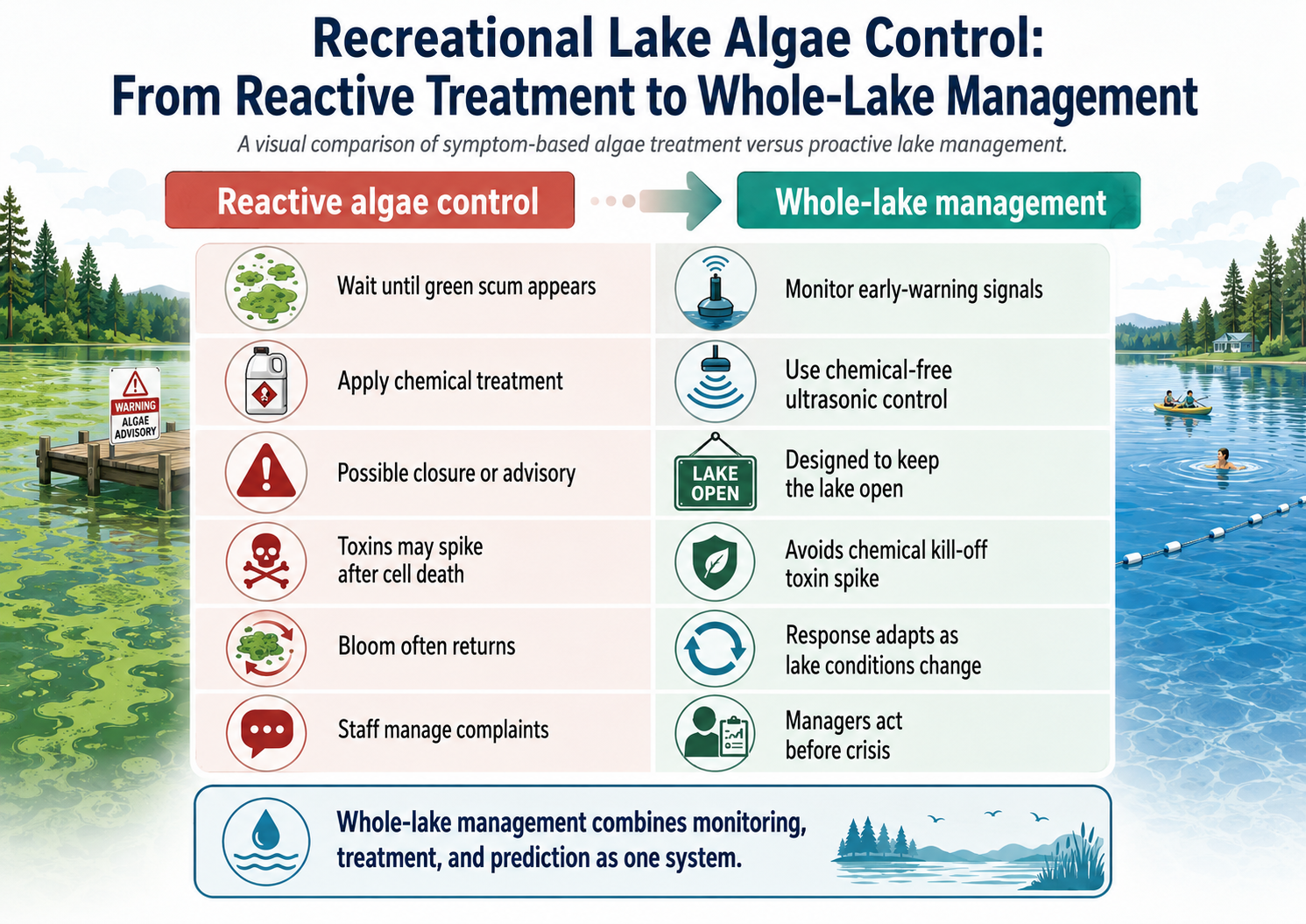
Keeping a recreational lake open requires more than reacting to visible algae. A whole-lake approach uses monitoring, prediction, and chemical-free control to act before a bloom becomes a crisis.
When should you start recreational lake algae control?
The short answer: before the bloom, not after it. By the time scum is visible, toxins may already be rising, and your options narrow to reactive cleanup. Because blooms can double every few days in warm water, a week of delay changes everything.
Start planning if any of these apply to your lake:
- it has a history of summer blooms or past advisories;
- water temperatures are climbing, and the first light-green tint is showing;
- you have events, a busy season, or a holiday weekend coming up;
- nearby lakes are already under advisories, which the 2026 season has produced early.
Continuous monitoring is what turns these signals into action, because it flags a developing bloom while there is still time to respond. If you are seeing early warning signs now, our seasonal outlook on the 2026 algae bloom season puts them in context.
Recreational lake algae control: common questions
How do you get rid of algae in a lake without chemicals?
Chemical-free lake algae treatment usually pairs ultrasonic control with real-time monitoring, supported where useful by aeration and nutrient management. Ultrasound limits the buoyancy of cyanobacteria so they cannot form dense surface scums, while monitoring gives early warning. This approach is designed to support open-water use without chemical-treatment closures. If toxins are already present, follow local health-department guidance before allowing swimming or pet access.
Is copper sulfate safe for a recreational lake?
Copper sulfate works fast, but it carries real drawbacks for recreational water. When it breaks cyanobacteria apart, the dying cells can release their toxins in a burst, so the water may become more hazardous for a short time. It can also harm fish and plants; it often requires a permit, and the bloom tends to return once nutrients remain. Many managers use it only as a last resort.
How long does chemical-free algae control take to work?
Unlike a fast-acting biocide, ultrasonic algae control works gradually over weeks as it limits new bloom formation, so it is best started before peak season. It is an ongoing program rather than a one-time treatment. The upside is that you avoid closures, permits, and toxin spikes while the lake stays in use.
Can people still swim and boat during ultrasonic treatment?
Yes. Low-power ultrasound used for algae control is safe for humans, fish, and aquatic plants, so the lake can stay open during treatment. If a health advisory is already in effect for existing toxins, always follow the guidance from your local health department first.
Which companies provide recreational lake algae control?
Providers are grouped by approach. Some apply chemical treatments on a contract basis, some supply aeration or oxygenation equipment, and some, such as LG Sonic, provide a chemical-free system that monitors, treats, and predicts so the lake stays open. Because a lake keeps changing through the season, the more useful question is whether you want a one-off treatment or a data-based system that adapts.
How do you keep a lake open during algae season?
Keeping a lake open comes down to acting early. Monitor the water so you see a bloom forming before it is visible, use a chemical-free control method that does not require closing the lake, and coordinate nutrient or aeration measures over the longer term. Reactive chemical treatment, by contrast, often means closing the water during and after application.
What causes blue-green algae in lakes?
Blue-green algae, or cyanobacteria, thrive on excess nutrients combined with warm, sunlit, slow-moving water. Phosphorus and nitrogen from runoff and sediment feed the growth, and summer conditions let it accelerate into a visible, sometimes toxic bloom.
Keeping your recreational lake open
Algae is not just a cosmetic issue on a recreational lake. It drives closures, lost revenue, health liability, and reputation risk, all at the worst possible time of year. Treating it that way changes how you plan for it.
Effective recreational lake algae control starts with understanding the drivers, adds continuous monitoring, and applies a fitted mix of methods, including chemical-free options that keep the water open and safe. Above all, it means acting early, before a bloom becomes a crisis.
If your lake has a bloom history or you are watching conditions build right now, a water quality assessment is a low-risk first step. Talk to an LG Sonic expert about a plan built for your lake and your season.
Go deeper

Our harmful algal bloom webinar series includes a session on recreational lakes and reservoirs, covering bloom conditions and chemical-free control in more detail. Register for the recreational session, or watch it on demand.
| Join the recreational lakes webinar |
Talk to a lake management expert
We will review your lake and recommend a chemical-free plan to keep it open through the season.
| Talk to an expert |