


In short
- Controlling algae with low-power ultrasound is a well-established method that’s been in existence for years;
- It provides an environmentally friendly alternative to harsh chemicals and remains safe for aquatic life;
- Our ultrasonic technology was developed in cooperation with European universities and research institutes and is effective in controlling a broad range of algal species.

Ultrasonic algae control technology
Algal blooms reduce light penetration, deplete oxygen in water, and release toxins that harm fish, plants, and aquatic life. When an ecosystem becomes imbalanced, effective algae control is essential. To achieve this, ultrasound technology uses low-power ultrasonic frequencies above the upper audible limit of human hearing (22 kHz).
Unlike chemical treatments, this approach does not harm the aquatic ecosystem and works in both freshwater and maritime environments. LG Sonic developed its ultrasound technology in cooperation with European universities and research institutes, and it works against a broad range of algal species. By controlling algae growth, water clarity improves, which supports plant growth and increases oxygen levels.
Benefits of low-power ultrasound technology
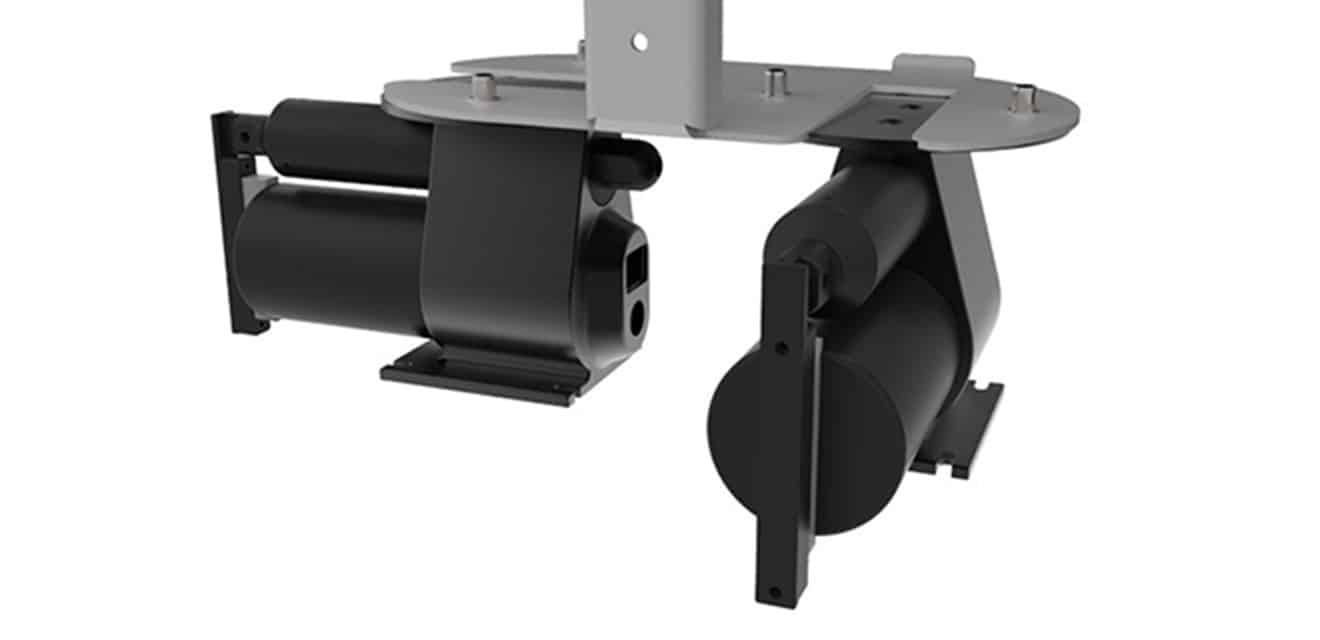
Our algae control devices use low-power ultrasound (5W per transmitter). Other ultrasonic methods typically produce cavitation due to high-power ultrasound output. Cavitation is a phenomenon in which high power ultrasound causes the formation of bubbles that implode upon themselves, causing intense heat and pressure, which can destroy cells. This treatment has a harmful impact on the ecosystem. Additionally, high power requirements prevent the use of this method in lakes or other large water bodies.
Effects of ultrasound technology on algae blooms
To understand how ultrasound waves target blue-green algae (cyanobacteria), it’s important to know how they grow. Cyanobacteria use gas vesicles for buoyancy and depth regulation. During the day, algae perform photosynthesis at the water surface, using carbon dioxide and dissolved nutrients from their surroundings to produce oxygen and polysaccharides. At night, or during high UV irradiation events, cyanobacterial cells empty their gas vesicles (vacuole), sink to the bottom and use oxygen and nutrients (nitrogen and phosphorus) to produce biomass.
To control algae, our ultrasonic units emit specific ultrasonic programs into the water. The sound waves spread through the water column over hundreds of meters and create a surface layer that affects algae buoyancy and fixes them in the water column. Algae cells sink to the deeper and darker layers of the water column, where they can’t photosynthesize anymore and eventually die off due to lack of light.
Algae are highly adaptive organisms. They can adapt during seasons, and can survive even in extreme conditions. For this reason, it’s critical to continuously change the ultrasonic frequency programs based on the current algae species and specific water conditions.
Typically, ultrasonic algae control doesn’t significantly alter the initial algae counts in a water body. However, ultrasound directly affects the vertical distribution of algae throughout a water column, therefore directly influencing the ability of algae to form a bloom. Generally, the treatment can reduce bloom concentrations by up to 90% compared to no treatment.
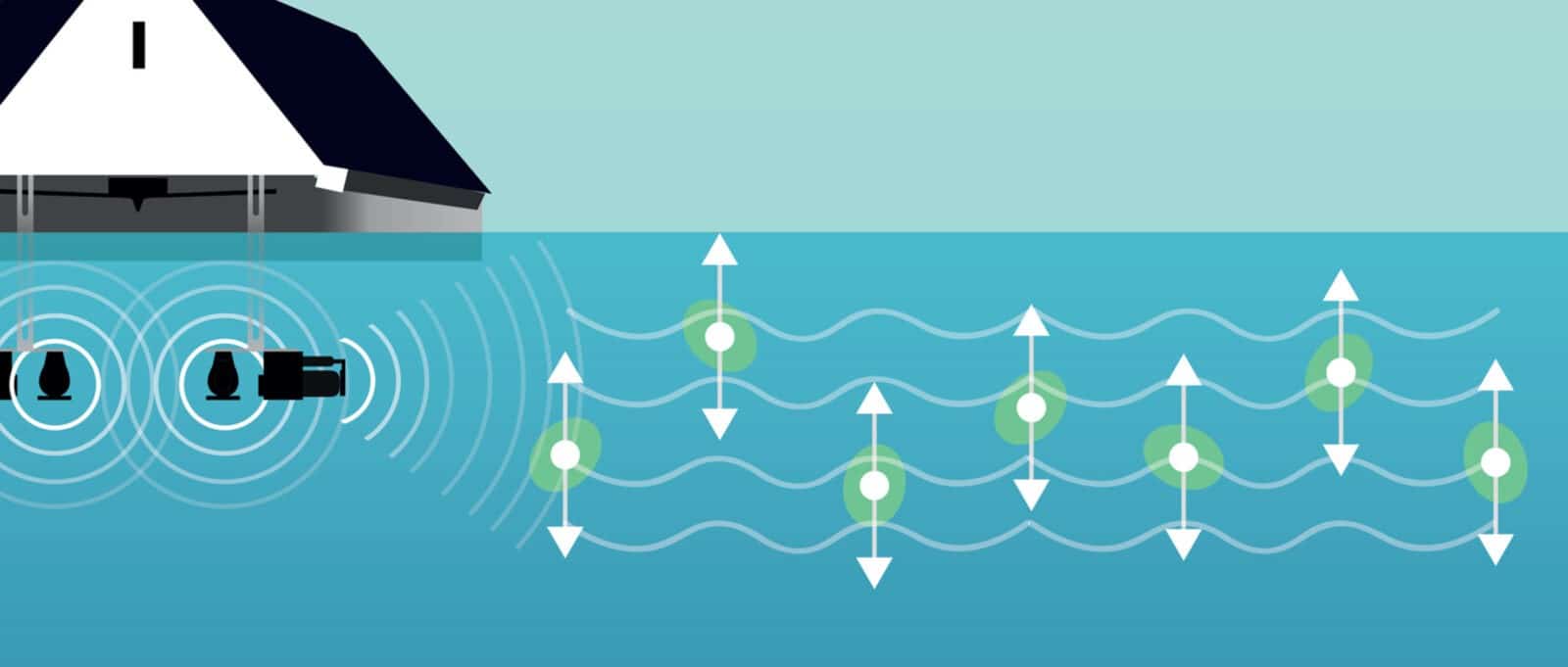
- LG Sonic ultrasound technology creates a sound layer in the top layer of the water.
- The ultrasound affects the buoyancy of the algae, fixing them in the water column.
- Due to a lack of sunlight and nutrients, algae sink to the bottom and die off.
- Algae are degraded by bacteria and decompose over time without releasing any toxins.
How American Water eliminated algaecide use at Canoe Brook — and reduced chemical costs by 22%
American Water — the largest US public water utility — deployed MPC-Buoys at their Canoe Brook Water Treatment Plant in New Jersey after recurring toxic algae and cyanobacteria were affecting source water quality. Peer-reviewed research confirmed 89% less algae growth, a 22% reduction in chemical usage, and an ROI of 1.8 years. Filter runs improved by 127% compared to the prior year.
Frequently Asked Questions
What happens when the algae die?
Our ultrasound technology affects algae buoyancy regulation and fixes them in the water column. Due to limited resources, algae sink and eventually decompose..
Does the ultrasound cause the release of toxins?
Our ultrasound does not break or lyse the cells. As such, toxins aren’t released into the water. As the ultrasound treatment is generally a two-to-three week process in which the growth of new algae is being prevented, you’ll see a gradual reduction in toxin concentration once the ultrasound is introduced. The ultrasonic treatment will result in a lower release of toxins compared to no treatment or to the usage of chemicals.
Is your ultrasound safe for aquatic life?
Our ultrasonic algae control units were developed in cooperation with several academic institutions and research institutes as an alternative to harsh chemical treatments. Universities such as The University of Portsmouth, UK; UNICET Catania, Italy; and BOKU, Austria have all concluded that the LG Sonic systems are safe for fish and zooplankton.
Which algae types can be controlled with ultrasound technology?
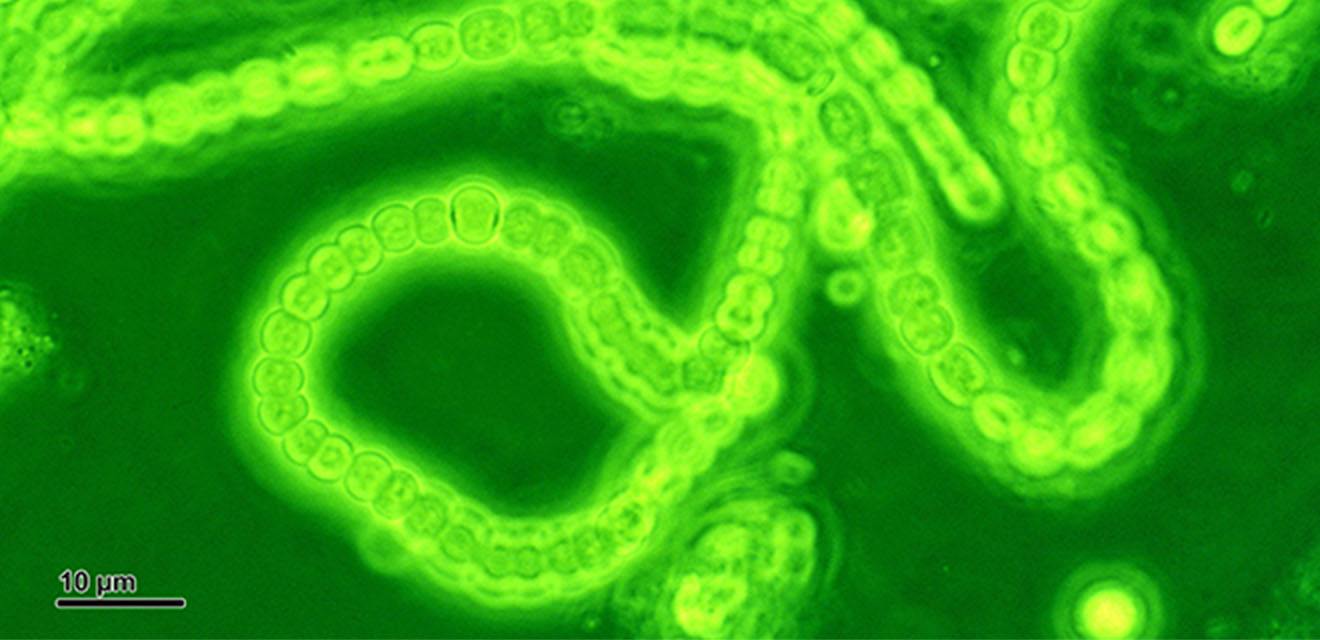
The ultrasound can control common types of green and blue-green algae, such as spirogyra, microcystis, and anabaena.
How long does it take before algae die?
Each algae species react differently to ultrasonic treatment. On average, it takes two to three weeks for the treatment to take effect.
Vallecitos Water District saved $25,000–$35,000 per year — and won two industry awards doing it
Since deploying MPC-Buoys across two California reservoirs in 2018, Vallecitos Water District has eliminated all chemical treatments and achieved significant annual savings. Operations & Maintenance Manager Ed Pedrazzi: “We have not needed to apply any chemicals to either reservoir since the addition of the MPC-Buoys.”
Deployed by 100+ water & energy utilities across 55+ countries
Ready to see if it works for your water body?
Every reservoir has different algae species, nutrient levels,
and operational constraints. Our engineers assess your site conditions and design an ultrasonic programme specific
to your water body.
|
95%
bloom reduction*
|
2 – 4hrs
installation time
|
0
chemicals used
|
*Up to 95% reduction. Results vary by site conditions.