

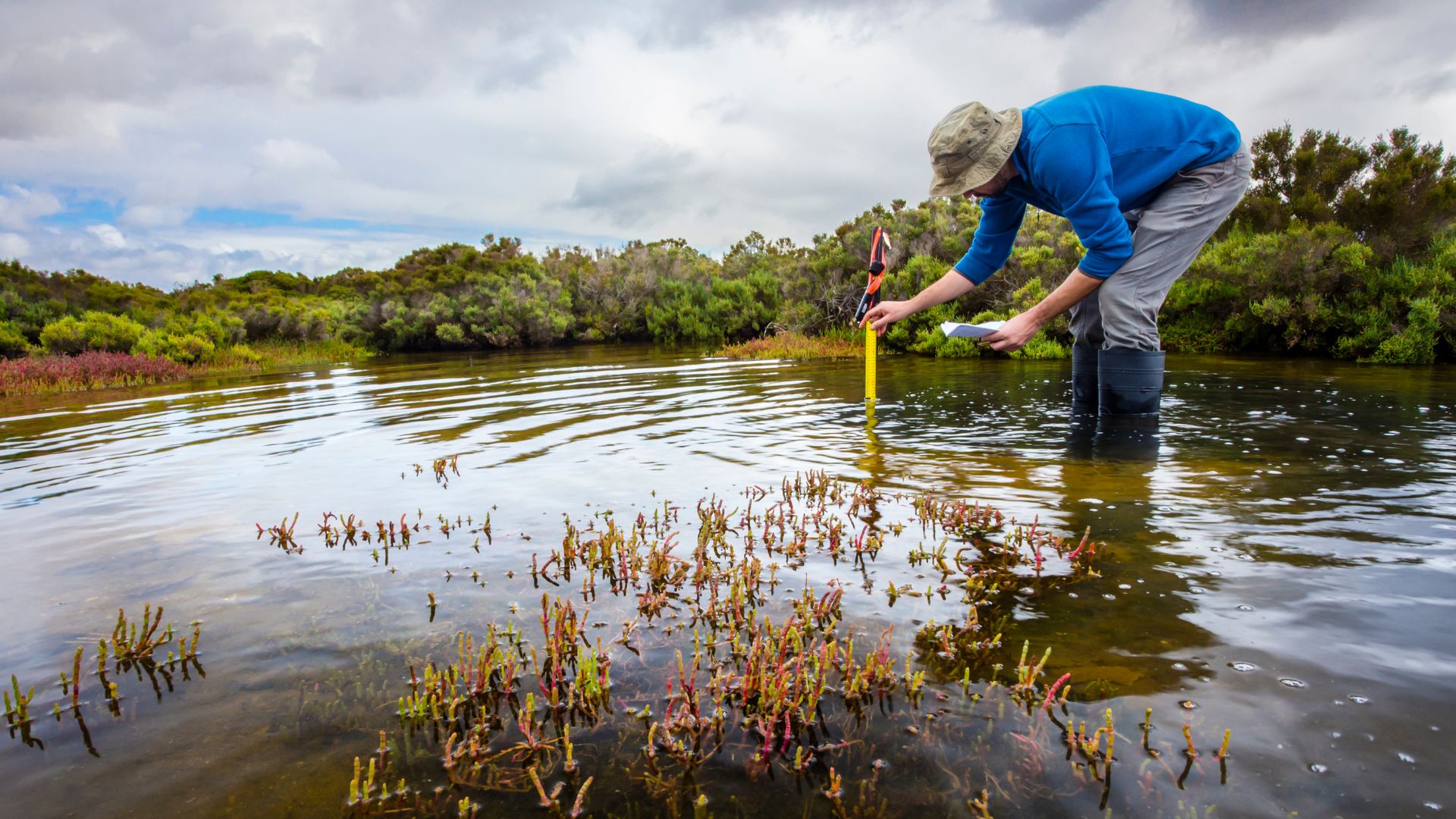
Fluctuations in water levels in aquatic environments, such as lakes, reservoirs, and other areas of hydrological connection, have a significant impact on the dynamics of cyanobacterial blooms, often causing serious ecological problems and affecting water quality. Similar to the objectives of the study by Elisabeth S. Bakker and Sabine Hilt, understanding these effects is crucial for the efficient management of lakes and reservoirs, especially under the influence of climate change and seasonal variations. Integrating real-time water monitoring and phosphate monitoring can greatly improve management effectiveness by providing immediate data on conditions that promote blooms.
The Results of Water Level Fluctuations
Water levels in lakes, reservoirs, and other parts of the aquatic system are influenced by several factors, including weather patterns, hydrological management, seasonal fluctuations, and human activities. These fluctuations impact algae growth in the following ways:
Decreasing Water Levels: Typically increase nutrient concentration and water temperature, which can enhance cyanobacterial growth if not managed properly, affecting water quality and the ecological status of the system.
Increased Water Levels: from sources such as rain, rivers, streams, or pumping stations (used to remediate or store water in the lake or reservoir), often result in rapid algae growth, altering community dynamics and water depth.
Managing Cyanobacterial Blooms with Water Level Control and Monitoring
Efficient water level management, coupled with real-time monitoring of water conditions and phosphate levels, can be a strategic approach to controlling cyanobacterial blooms in lakes, reservoirs, and other hydrologically connected areas:
Strategic Reduction: Implementing controlled water level reductions can enhance the growth of beneficial submerged macrophytes, which compete with cyanobacteria for nutrients. This is particularly effective in colder climates where macrophytes thrive without promoting cyanobacteria.
Regulated Flooding: Introducing cleaner, colder, or faster-moving water can dilute nutrients and cyanobacteria, positively affecting the functioning of the aquatic system. However, this requires careful management to avoid introducing nutrient-rich water, which can exacerbate the problem.
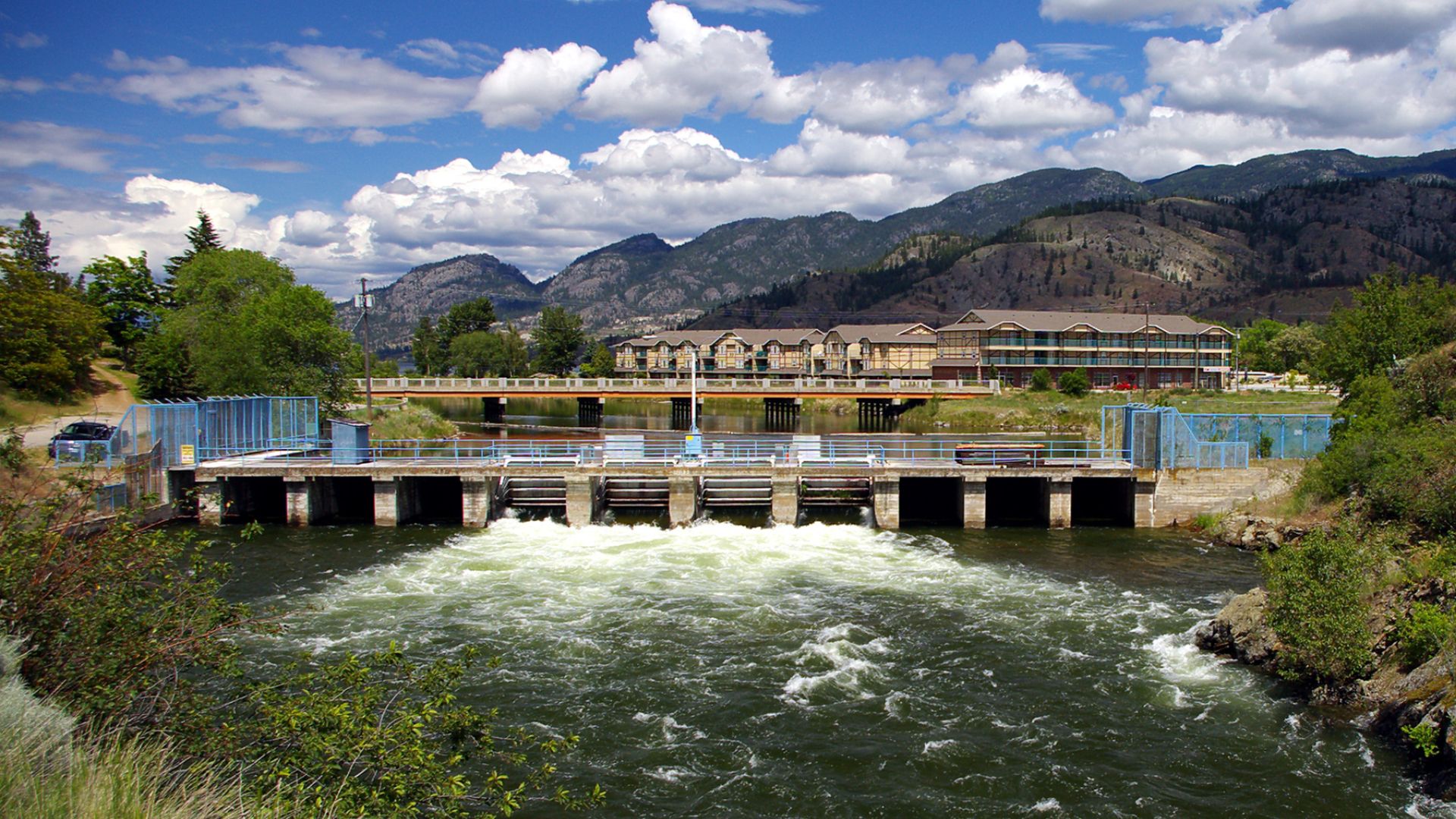
Real-Time Monitoring: Using sensors for continuous monitoring of water quality, including phosphate levels, timely adjustments can be made to management strategies, ensuring optimal conditions to prevent blooms and maintain water quality in the region.

Innovative Algae Control Method
Beyond traditional water level management and nutrient monitoring, LG Sonic has developed a revolutionary method to further mitigate the risk of cyanobacterial blooms in lakes, reservoirs, and other aquatic areas affected by water level fluctuations.
Ultrasonic Algae Control: This method uses ultrasonic waves to disrupt algae cells, preventing their growth and proliferation, thus contributing to the maintenance of water quality and algae control in aquatic systems. The effectiveness of ultrasonic algae control depends on the ability to modulate the frequency of the ultrasonic waves.
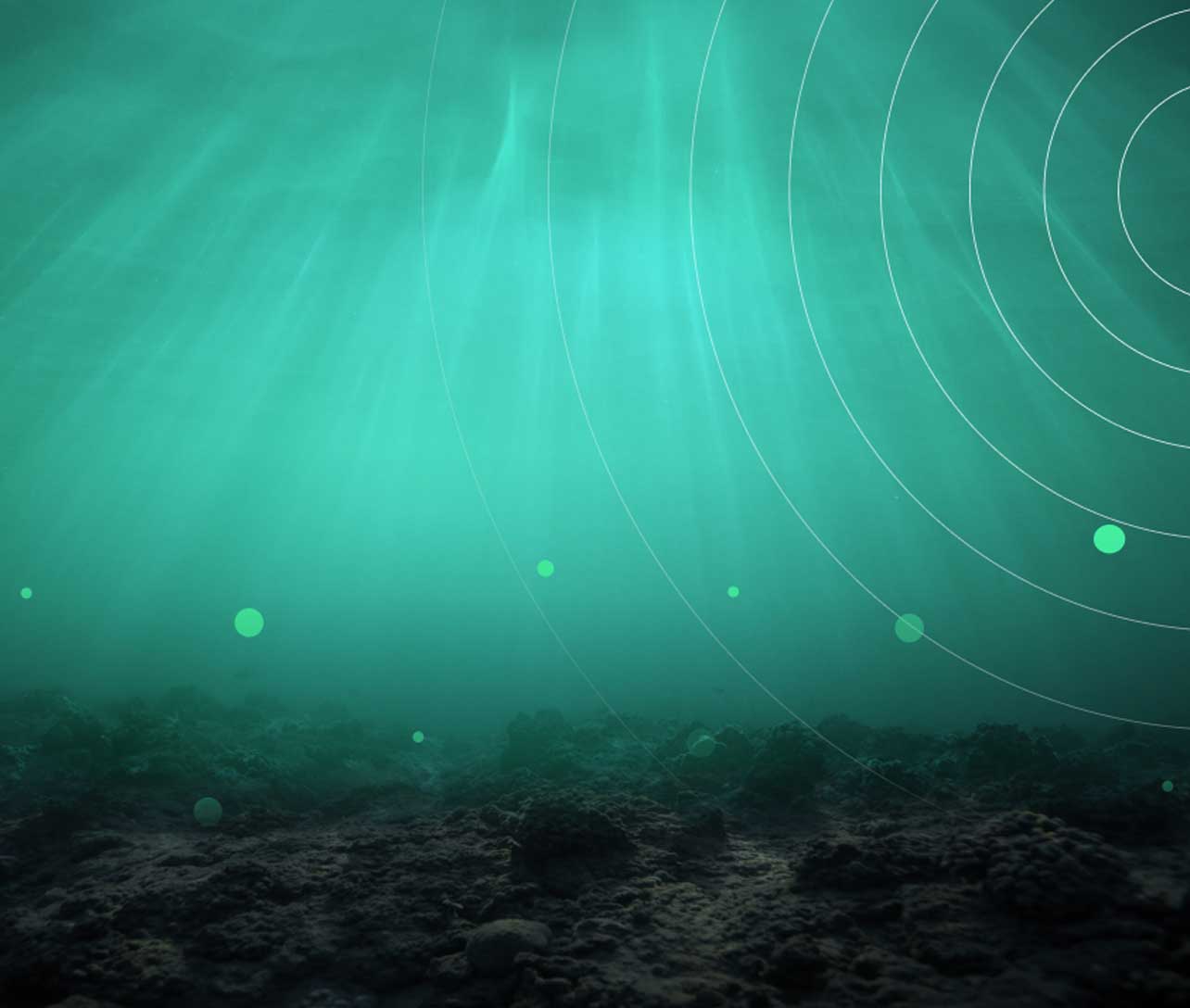
As algae populations become accustomed to a particular ultrasonic frequency over time, they can develop resistance or immunity to its disruptive effects. To address this challenge, we periodically change the frequency of our ultrasonic waves. By doing so, we prevent algae from adapting to a specific frequency, ensuring the continued effectiveness of our ultrasonic algae control solutions in maintaining ecological balance and water quality in lakes and reservoirs.
Challenges and Considerations
Successful management of water resources and water level fluctuation requires recognizing and addressing a variety of challenges and factors:
Ecosystem Sensitivity: Each aquatic ecosystem responds differently to changes in water level based on its unique ecological, climatic, and hydrological characteristics, including seasonality and the dynamics of aquatic communities.
Climate Change: Increased global warming, accelerated glacier and ice melt, and changes in precipitation and tidal patterns complicate water level management, potentially requiring adaptive management strategies that are responsive to real-time climatic conditions and seasonal fluctuations.
Human Impact: Water extraction for agriculture and urban use, along with effluent discharges, can counteract the benefits of water level management strategies and affect land elevation and subsidence in coastal areas and estuaries, necessitating integrated watershed management approaches and continuous monitoring by teams of researchers.
Conclusion
Effective management of cyanobacterial blooms through water level control requires a deep understanding of the ecological dynamics of each specific lake or reservoir within the aquatic system. Adaptive management, informed by continuous monitoring and research, can leverage water level fluctuations as a powerful tool for maintaining ecological balance and water quality. The implementation of additional algae control methods, such as ultrasonic algae control, further enhances the effectiveness of these strategies in the face of climate change challenges.
LG Sonic understands the intricate complexities of aquatic ecosystems and the fundamental role that water level fluctuations play in their functioning. Our technology is designed to address these complexities, ensuring effective algae control while avoiding unwanted ecological impacts. To take proactive steps toward the successful management of cyanobacterial blooms in lakes, reservoirs, and other affected areas, learn more about our solutions and the specialized monitoring we offer.