

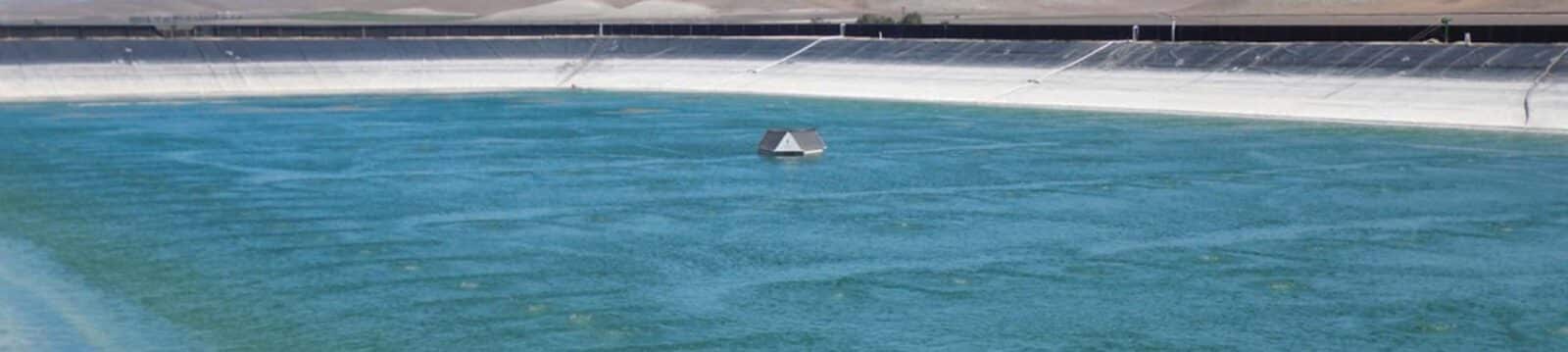
Prevent clogging of filters
Irrigation water often contains high levels of nutrients; these nutrients can benefit crops but may also fuel extensive algal growth.
Algae in irrigation reservoirs can clog the irrigation system and can also be spread over the irrigated area. In addition, some types of fungus also present in these waters can be extremely harmful to the plants grown. Research published in Frontiers in Water shows that nutrient buildup and environmental stressors can promote harmful algal blooms in freshwater reservoirs.
Talk to an expert
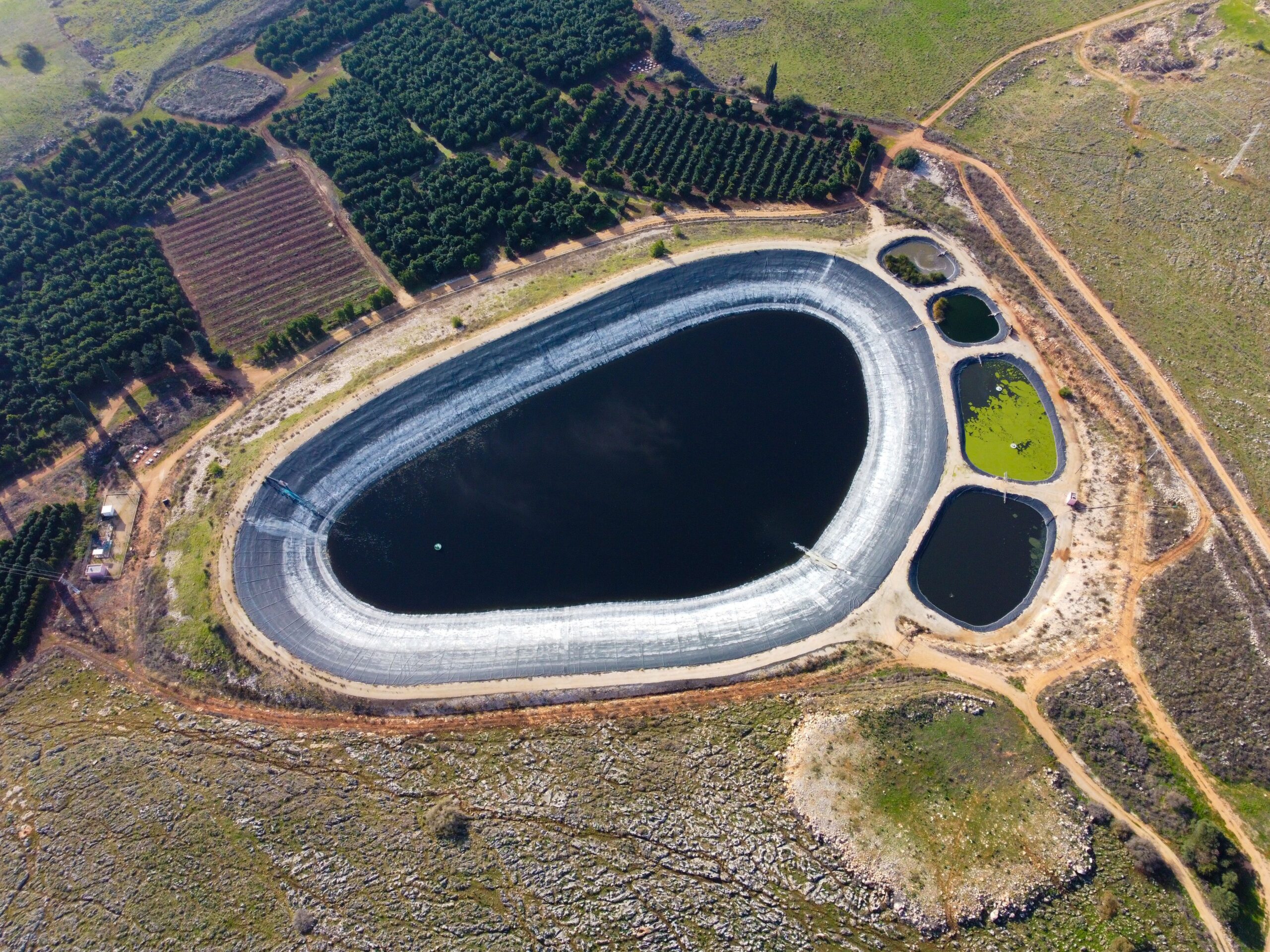
What is an irrigation reservoir?
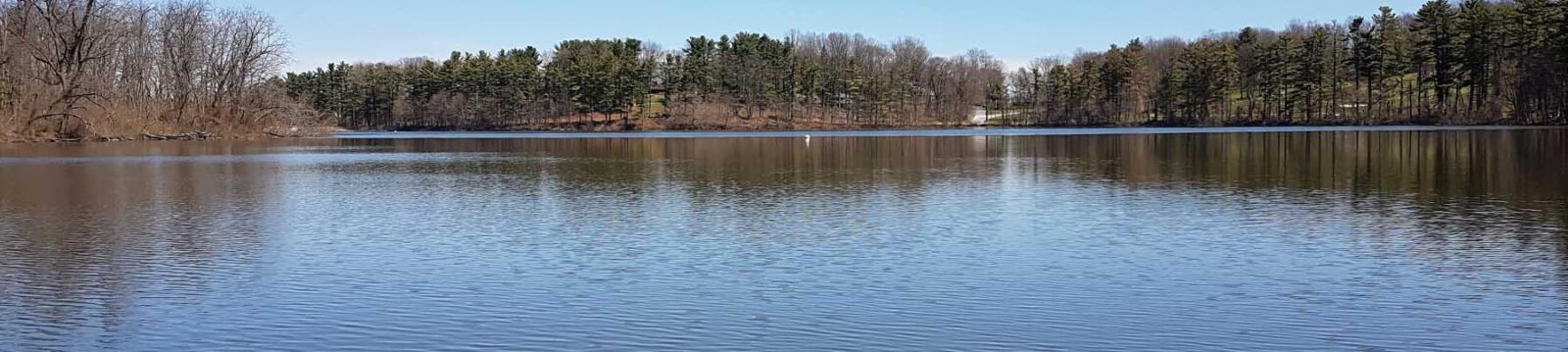
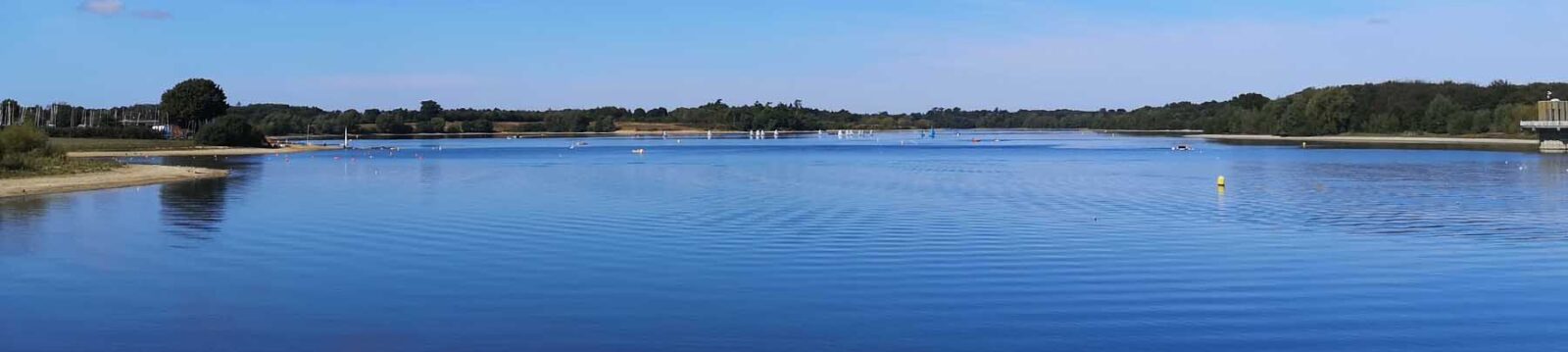
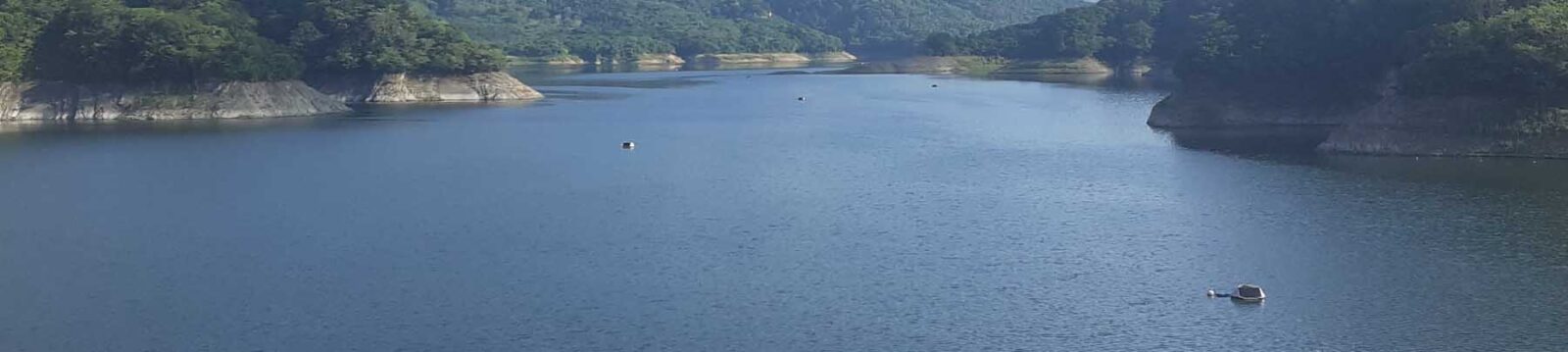
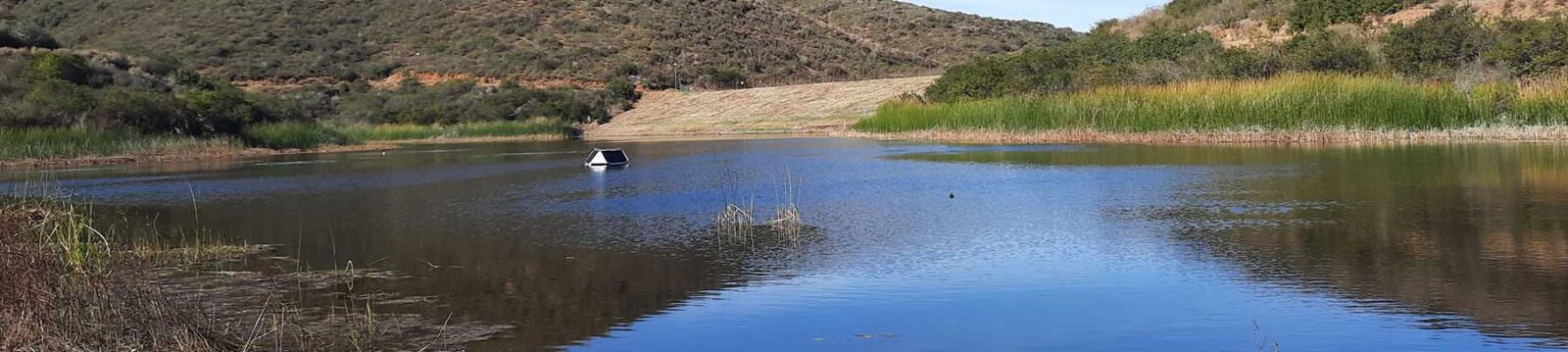
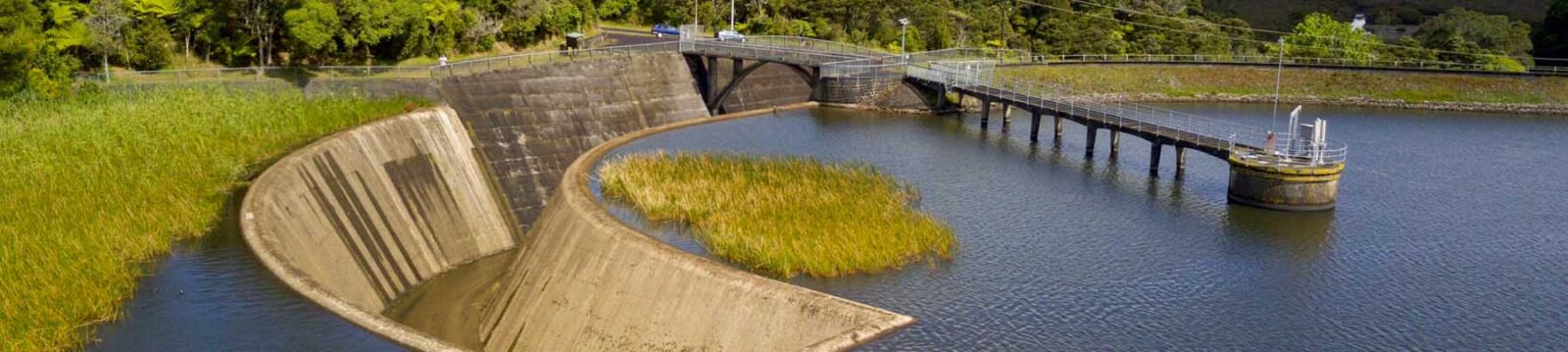
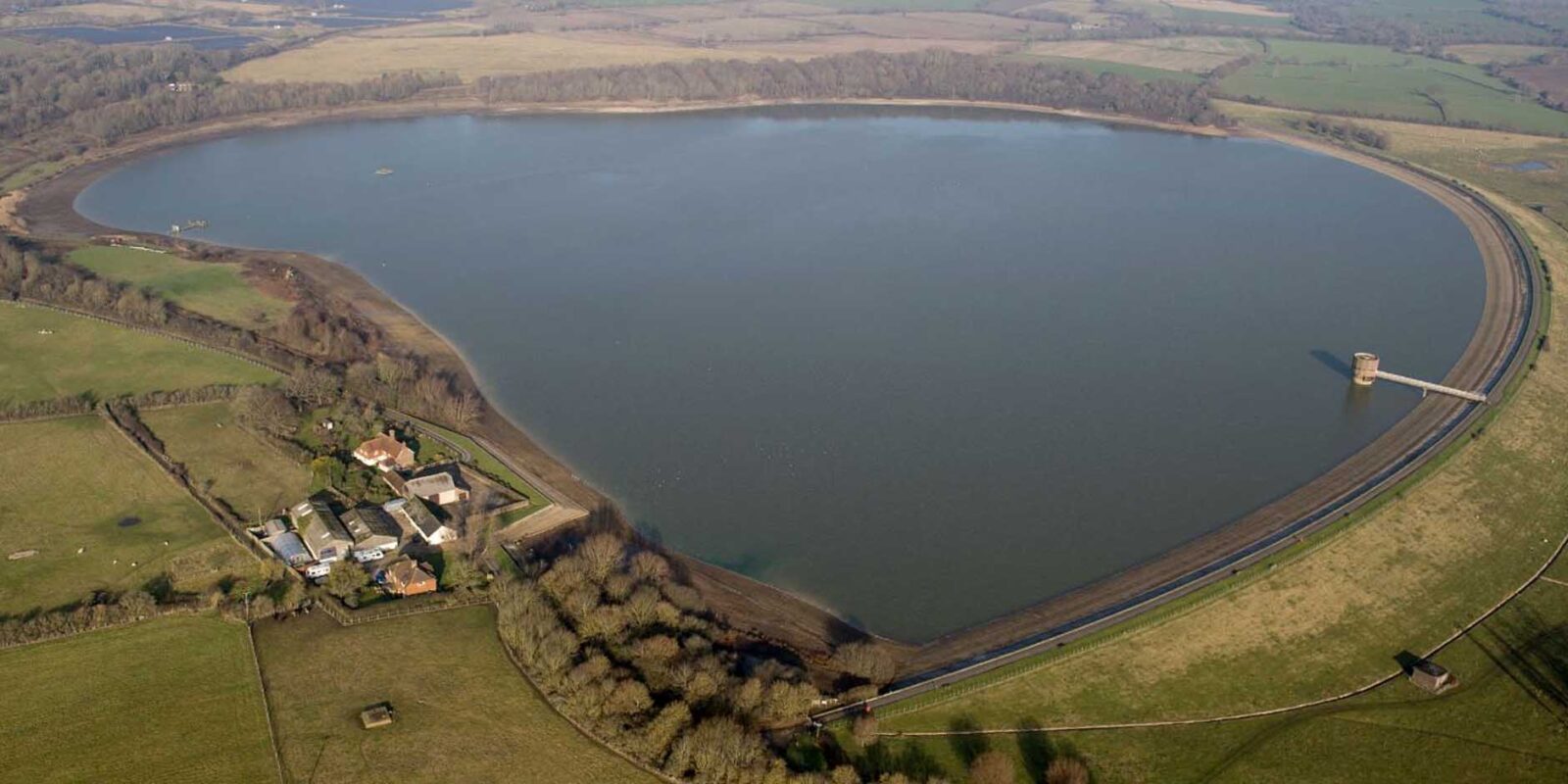
An irrigation reservoir is a water basin or farm dam that stores water for watering crops, drawn from rivers, groundwater, rainfall, or runoff, and held until it is needed for the growing season. These reservoirs are central to agriculture worldwide: close to 60 percent of all freshwater withdrawn globally goes toward irrigation, making the quality of stored irrigation water a direct input to food production.
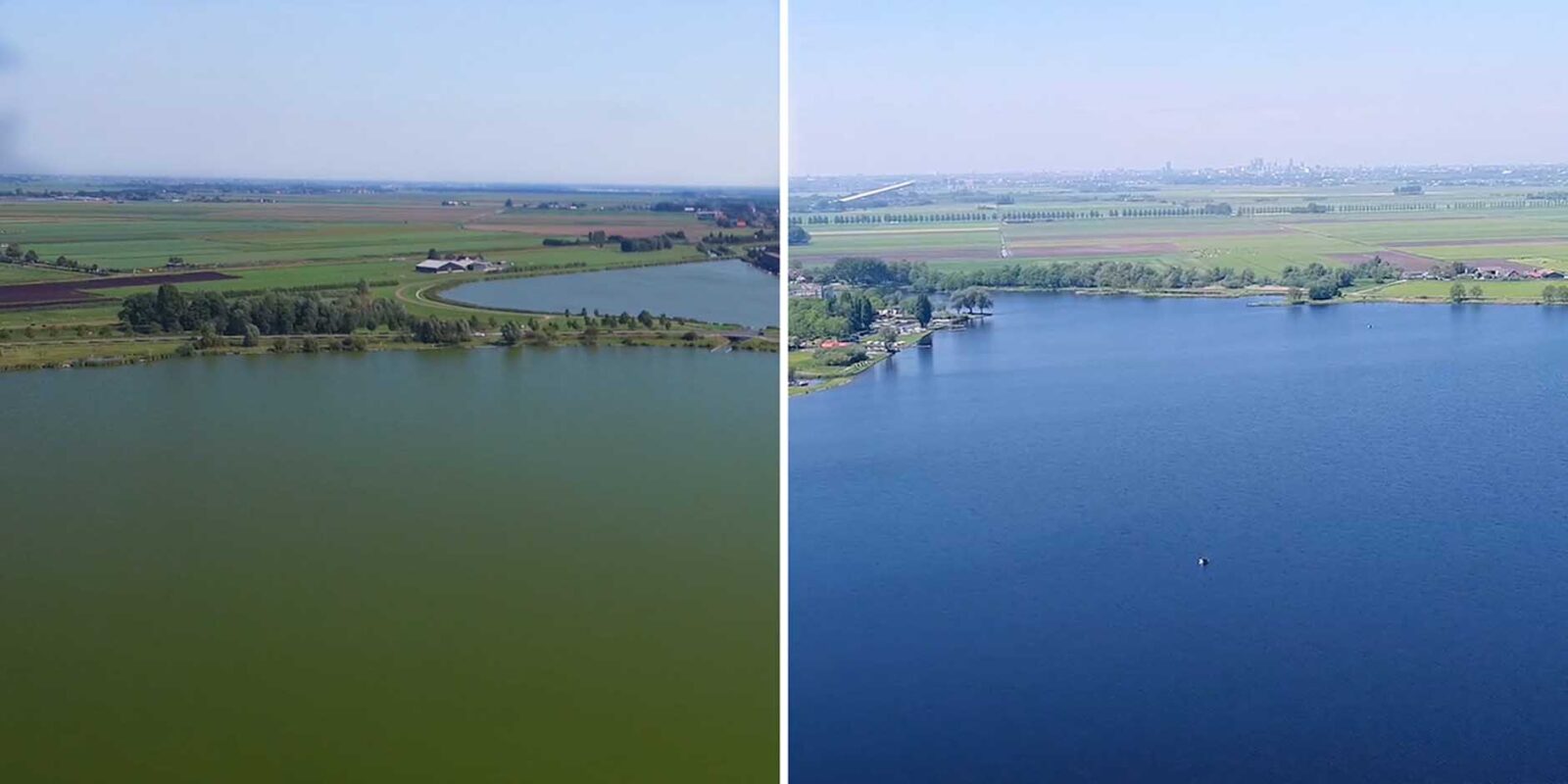
Because irrigation water is often high in nutrients, the same nutrients that benefit crops also fuel heavy algal growth in the reservoir, especially during peak summer months. Blue-green algae blooms can contaminate the water source, spread across irrigated land, and clog the filters, emitters, and distribution pipes that deliver water to crops. Certain fungi present in these waters can also harm the plants being grown. Controlling algae in the reservoir protects both the irrigation system and the crops it serves.
What defines an irrigation reservoir?
Irrigation reservoirs and farm dams share a set of defining traits:
- Crop water supply: stores water specifically for irrigating fields and crops.
- Nutrient-rich by nature: the nutrients that feed crops also feed algae.
- Delivery-system dependent: relies on filters, emitters, and pipes that algae readily clog.
- Seasonally driven: blue-green algae risk peaks during warm summer months.
Why irrigation reservoirs need crop-focused algae control
Irrigation reservoirs differ from other water bodies because the algae problem reaches all the way to the crop. The nutrients in irrigation water encourage vigorous blooms, and blue-green algae are especially common during peak summer, exactly when demand for irrigation is highest. When blooms take hold, they clog the filters, emitters, and drip lines that distribute water, reducing delivery efficiency and forcing more maintenance, and the algae can be carried out and spread across the irrigated area. Some fungi in these waters can directly harm crops, and contaminated water carries health risks that lead authorities to advise against its use. For a grower, that is lost yield, higher cost, and interrupted watering during the season that matters most.
Rather than dosing chemicals into water destined for food crops, ultrasound controls algae at the source, continuously and chemical-free, keeping the reservoir clear so the irrigation system runs without clogging. It works without cavitation and releases no algal toxins, protecting delivery infrastructure, safeguarding crop and water quality, and lowering both chemical use and maintenance costs through the growing season.
How algae-free waterbodies boost agriculture
Benefits of ultrasonic algae treatment

Lower chemical expenses

Improve operations of filters and pipes

Prevent toxic algal blooms
Algae in irrigation water
- Low-power ultrasound, no cavitation
- No release of algal toxins
- 100% safe for the environment
Algae risks in irrigation reservoirs
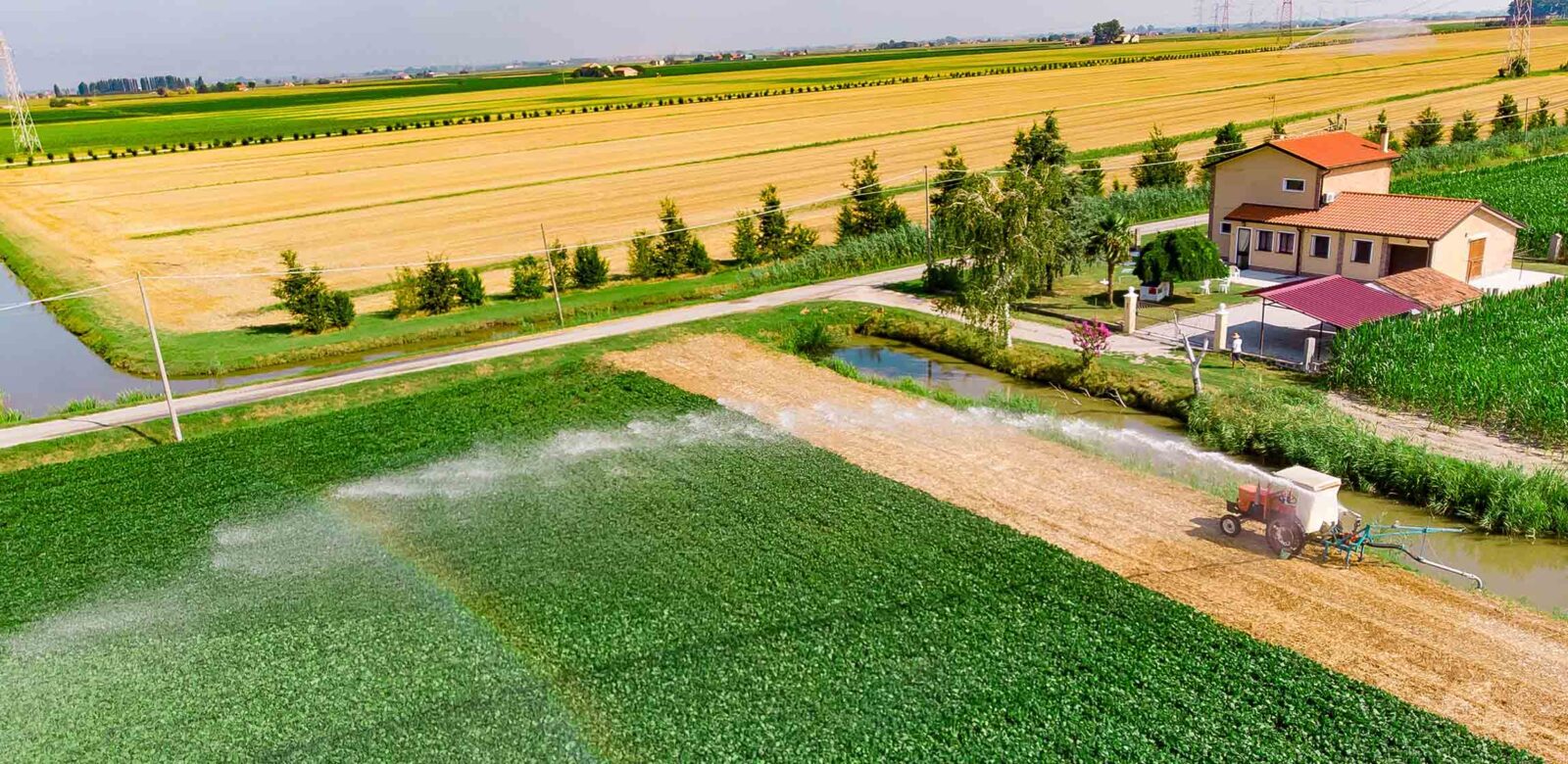
Almost 60 percent of all the world’s freshwater withdrawals go towards irrigation uses, where landholders use water basins and farm dams to irrigate their crops. Irrigation waters are vulnerable to blue-green algal blooms- particularly during peak summer months.
Because of an algal bloom, the water source may become contaminated. Health authorities advise avoiding contaminated water because it can harm human health.
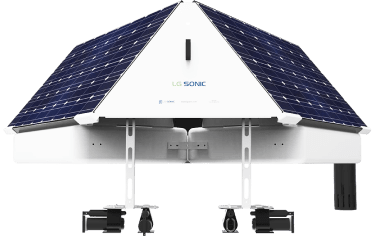
MPC-Buoy
All-in-one solution for controlling algae in drinking water reservoirs.
Questions?
Receive more information and a free quotation.











Frequently asked questions
-
What is the impact of LG Sonic ultrasound on zooplankton?
Recent studies commissioned by the Dutch water board and conducted by research agency Ecofide have concluded that the LG Sonic ultrasound is safe for fish, plants, zooplankton, and other aquatic organisms.
-
Why control the algae if nutrients are the problem?
Reducing nutrients is, of course, also necessary but difficult to achieve, even in the long-term. The majority of nutrient management methods are costly and require frequent dosing with unknown side-effects for the aquatic ecosystem. Besides, the duration and intensity of algal bloom events is strongly depended not only on nutrients but also on a combination of environmental factors, such as climate change, weather patterns, and an unbalanced ecosystem.
-
What kind of water does your ultrasound work in?
The MPC-Buoy technology can be installed in freshwater, salt water, and brackish water.
-
What’s the largest water body that has LG Sonic implemented? Any issues linking many buoys?
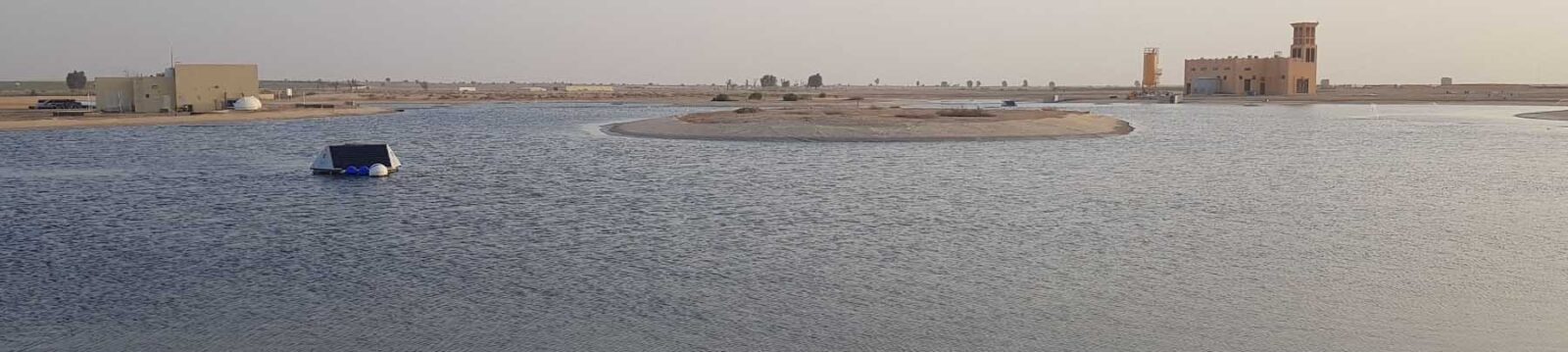
We have multiple projects with large numbers of MPC-Buoy units installed. For example, in Dominican Republic, 50 MPC-Buoys are in operation in a 7km2 reservoir. The buoys communicate with each other for optimal treatment.
-
What's the minimum depth of water required for LG Sonic treatment?
We recommend a minimum water depth of 3 feet / 1 meter.