


Eliminate odor problems in ponds
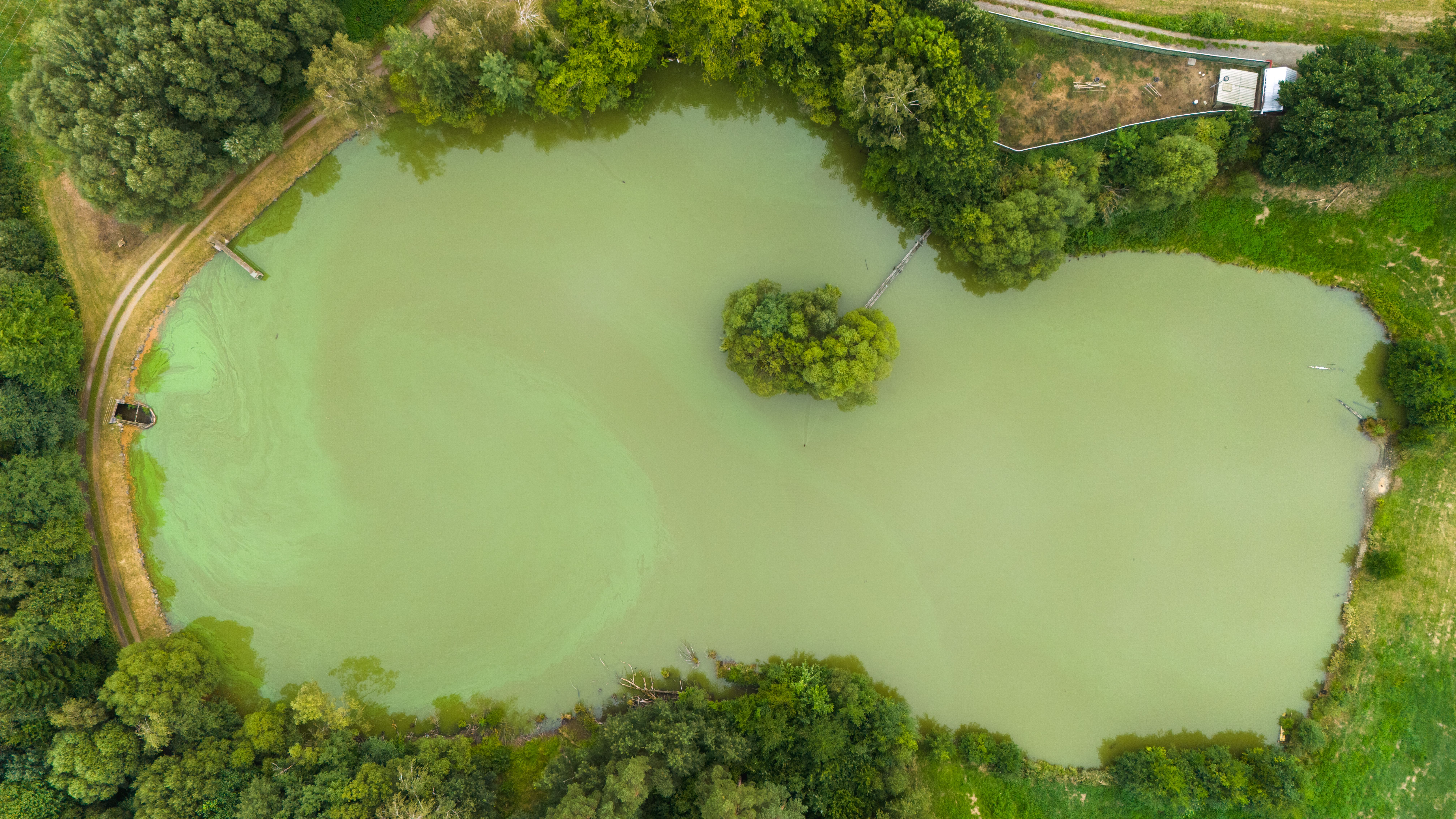
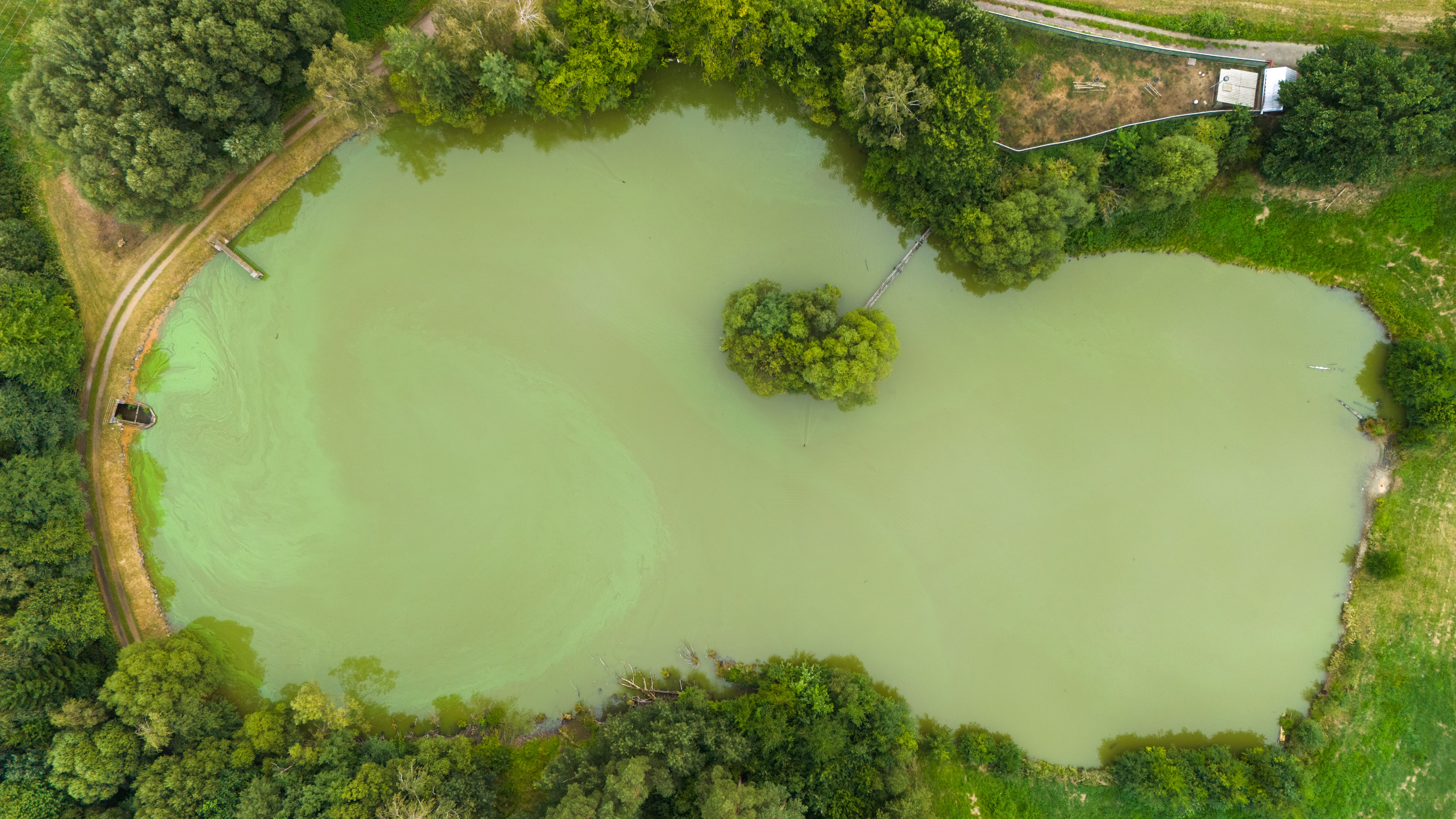
Your ponds are part of how the course or grounds look, and green, scummy, smelly water is the first thing visitors and golfers notice. In the role of managing a country club, you may encounter a similar challenge with large ponds. Most ponds also pull double duty for irrigation, so the water has to stay clear and free of solids, while filamentous algae and blanket weed clog pumps and nozzles downstream.
The usual fix, chemical herbicides and algaecides, means repeated dosing, ongoing cost, and risk to the fish, plants, and turf you’re trying to protect. According to the RHS, pond algae and blanket weed thrive in sunny, nutrient-rich water.
LG Sonic ultrasound keeps ponds clear without any chemicals, protecting the look of the water and the irrigation system that depends on it.
Benefits of ultrasonic algae treatment

Lower chemical expenses

Improve operation of filters and pipes

Prevent toxic algal blooms

Golf Course & Country Club Ponds
Keep your ponds clear and odour-free, without chemicals that harm fish, plants, or the turf you irrigate, and stop filamentous algae from clogging pumps and nozzles.
- Low-power ultrasound, no cavitation
- No release of algal toxins
- 100% safe for the environment
Managing Algae in Golf Course Ponds
Ponds in golf courses often have both an ornamental and an irrigation purpose. To furnish both, it’s important that the water looks clear, is free of any solids, and shouldn’t contain chemicals that may harm the plant growth.
Algae growth within ponds can complicate irrigation, as filamentous algae may clog the pump and suspended algae can clog nozzles later in the system.
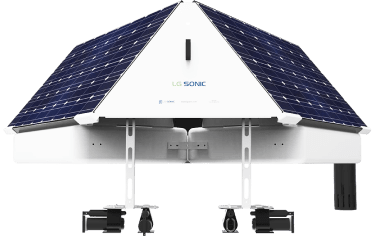
The algae control devices from LG Sonic emit specific ultrasonic parameters to control algae in golf course ponds.
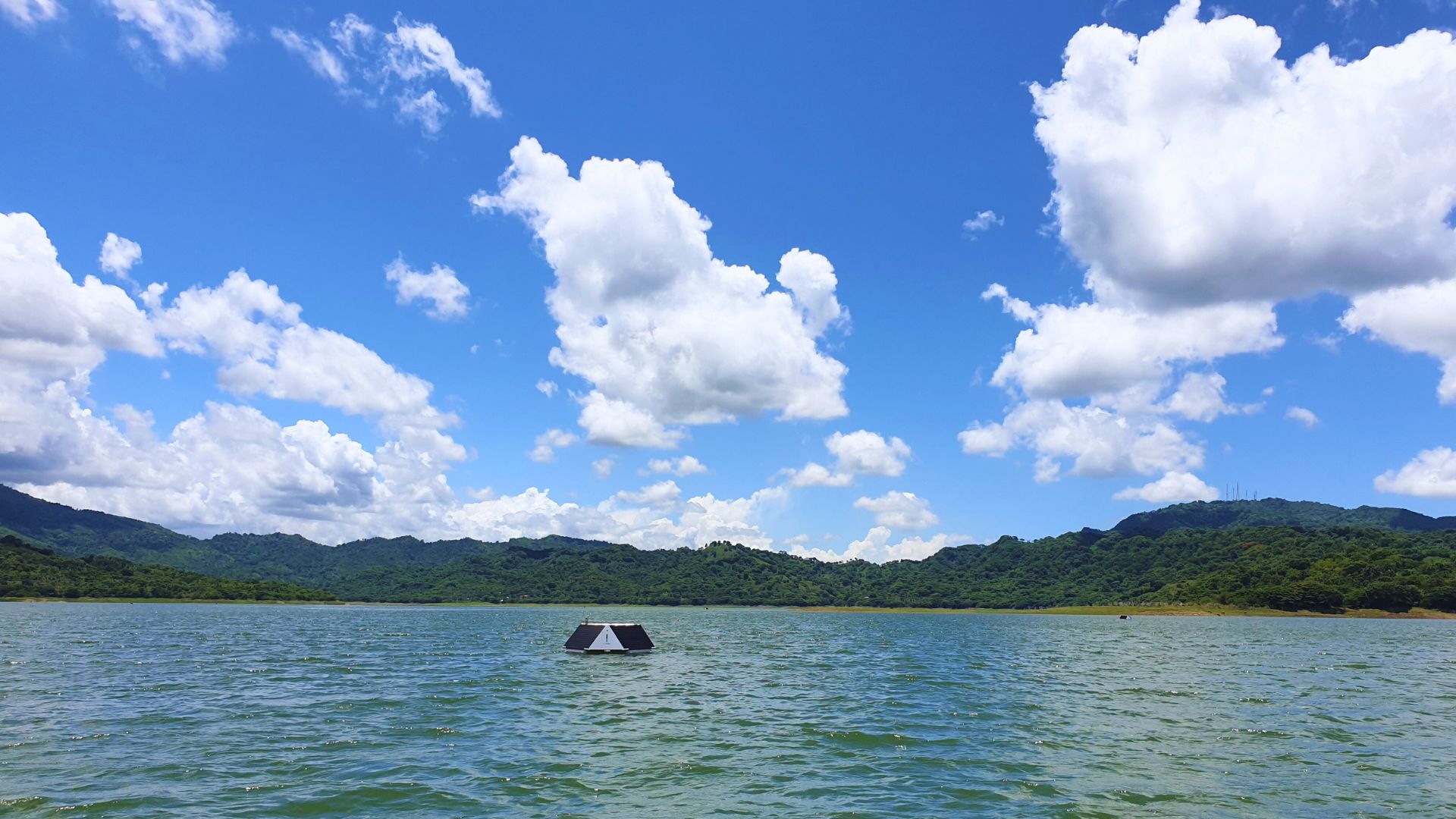
MPC-Buoy
All-in-one solution for controlling algae in drinking water reservoirs.
Questions?
Receive more information and a free quotation.
















Frequently asked questions
-
What is the impact of LG Sonic ultrasound on zooplankton?
Recent studies commissioned by the Dutch water board and conducted by research agency Ecofide have concluded that the LG Sonic ultrasound is safe for fish, plants, zooplankton, and other aquatic organisms.
-
Why control the algae if nutrients are the problem?
Reducing nutrients is, of course, also necessary but difficult to achieve, even in the long-term. The majority of nutrient management methods are costly and require frequent dosing with unknown side-effects for the aquatic ecosystem. Besides, the duration and intensity of algal bloom events is strongly depended not only on nutrients but also on a combination of environmental factors, such as climate change, weather patterns, and an unbalanced ecosystem.
-
What kind of water does your ultrasound work in?
The MPC-Buoy technology can be installed in freshwater, salt water, and brackish water.
-
What’s the largest water body that has LG Sonic implemented? Any issues linking many buoys?
We have multiple projects with large numbers of MPC-Buoy units installed. For example, in Dominican Republic, 50 MPC-Buoys are in operation in a 7km2 reservoir. The buoys communicate with each other for optimal treatment.
-
What's the minimum depth of water required for LG Sonic treatment?
We recommend a minimum water depth of 3 feet / 1 meter.