

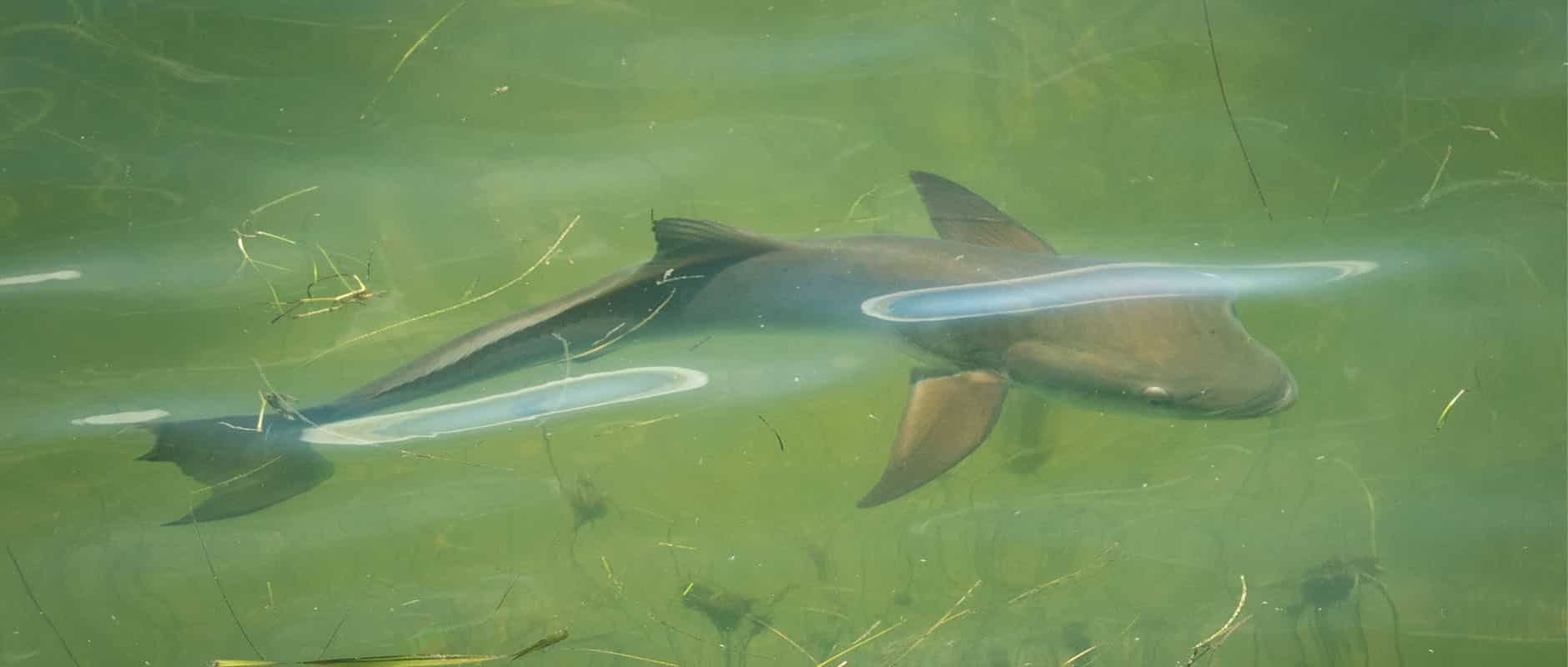
- A new study shows that the proliferation of toxic algae, specifically cyanobacteria in freshwater, is poisoning bull sharks in the Indian River Lagoon and endangering public health and people.
- Harmful algal blooms have also caused widespread loss of seagrass and unprecedented mortality of animals such as manatees in the area, severely affecting the local ecosystem.
- Apart from the environmental repercussions, toxic algae blooms cause odor and color problems in the water, as well as economic consequences for systems that depend on tourism and fishing.
The proliferation of toxic algae is a growing concern in many parts of the world, and Florida’s Indian River Lagoon is no exception. A recent study by Florida Atlantic University’s Harbor Branch Oceanographic Institute has shed new light on the extent of the problem in this area, revealing that harmful algal blooms (HABs) are poisoning bull sharks in the lagoon and posing a risk to public health and the safety of people and their pets.
The study on bull sharks in the Indian River Lagoon
This is the first time that toxins produced by harmful algae blooms and toxic phytoplankton have been measured in bull sharks. The researchers measured the concentrations of phycotoxins, a type of toxin produced by certain organisms and bacteria, in samples collected from 50 immature (young) bull sharks caught in the Indian River Lagoon, a freshwater body of water, between 2018 and 2020. They used ultra-high-performance liquid chromatography/tandem mass spectrometry to measure toxins in the sharks’ intestinal contents, plasma (blood), and liver. The results showed that the highest concentration of toxins was in the sharks’ stomachs, indicating the widespread impact of the growth of these species and how toxins are moving through the food web under certain environmental conditions.
Impact of toxic algae on the ecosystem and human health
The proliferation of harmful algae in the Indian River Lagoon has had devastating consequences for the local ecosystem. In particular, it has led to widespread loss of seagrass and unprecedented mortality among manatees. These gentle giants are starving as their main food source disappears.
Economic consequences of algal blooms
But the impact of algal blooms goes far beyond that. Blooms also pose a serious threat to human health, as they can produce toxins that cause a range of health problems, including skin irritation, respiratory problems, and even neurological disorders. In addition, climate change and pollution contribute to the increased frequency and duration of these blooms, affecting water quality and creating problems for residents in affected areas. Toxic algal blooms can make recreational activities such as swimming and fishing unsafe, hurting local businesses that depend on the tourism industry. The Indian River Lagoon itself is also an economic engine, generating more than $7.6 billion annually for the state of Florida.
Causes of toxic algae blooms
The situation in the lagoon highlights the urgent need for action to address the problem of toxic algae blooms.
These blooms are often caused by excess nutrients entering the water, which can come from a variety of sources, including sewage, agricultural runoff, and urban development. To effectively combat the problem, it is essential to identify and address these sources of excess nutrients, as well as implement measures to prevent them from entering the water in the first place.
Sustainable solutions to toxic algae
The situation in the Indian River Lagoon is a stark reminder of the importance of protecting our waterways and the creatures that inhabit them. By taking steps to address the problem of toxic algae blooms and choosing an environmentally friendly solution such as ultrasound, we can not only safeguard the health of marine life, but also protect our own health and that of future generations.