


Summary
Explore a holistic approach to combat surface water pollution, focusing on controlling harmful algal blooms (HABs). Discover how real-time data, technology, and nature-based solutions can transform water management, enhance collaboration among stakeholders, and ensure sustainable, long-term protection of aquatic ecosystems.
The scale of the problem
Surface water pollution is a global issue, with over 50% of surface waters in poor condition due to pollution, climate change, and human activity. More than half of the world’s surface waters are in poor ecological condition, degraded by a combination of nutrient pollution, climate change, and land use pressures. For water managers, the most visible consequence is the rise in harmful algal blooms (HABs) — events that disrupt treatment operations, trigger public health advisories, and carry significant regulatory and reputational risk.
The frequency and severity of HABs are increasing. Warmer temperatures extend the stratification season, accelerating bloom development. Extreme rainfall events flush more nutrients from catchments into reservoirs. And legacy phosphorus stored in sediments continues to fuel internal loading long after external nutrient inputs have been reduced.
Managing surface water pollution under these conditions requires more than an upgraded chemical dosing protocol. It requires understanding the system as a whole.
Nutrient overload is the root cause of Harmful Algal Blooms (HABs)
Nutrient overload is the primary driver behind HABs. Agriculture, wastewater, and urban runoff contribute large amounts of nitrogen and phosphorus to water bodies. These nutrients fuel rapid algal growth, leading to blooms that choke ecosystems, reduce oxygen levels, and sometimes release toxins harmful to both aquatic life and humans.
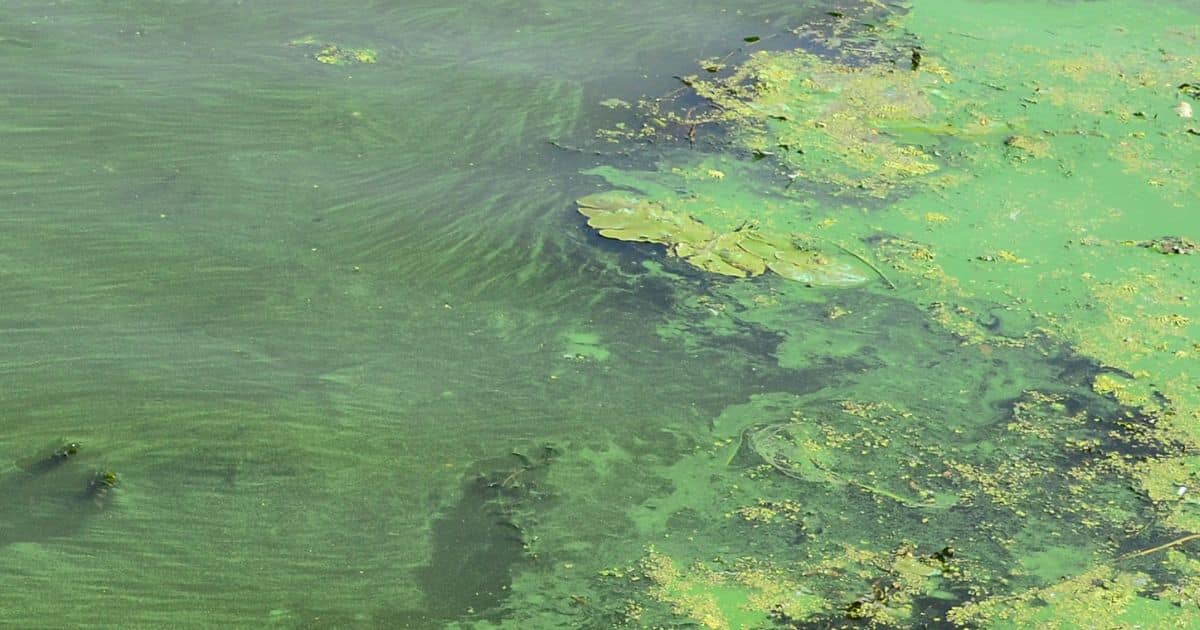
HABs disrupt ecosystems by depleting oxygen, leading to dead zones where fish and other aquatic species can’t survive. Additionally, toxins from certain types of algae can contaminate drinking water sources and cause health risks, making water treatment more complex and expensive.
Why are chemical treatments alone insufficient
Algaecides and other chemical interventions can suppress an active bloom, but they do not address the nutrient conditions that caused it. After treatment, the organic matter from dead algae decomposes in the water body, consuming dissolved oxygen and — depending on conditions — releasing phosphorus back into the water column from the dying cells. In some cases, chemical treatment accelerates internal nutrient cycling rather than breaking it.
Repeated chemical use also carries ecological costs. Broad-spectrum algaecides affect non-target organisms, including zooplankton, aquatic plants, and beneficial bacteria. Over time, this disrupts the natural biological balance that helps suppress bloom development — making the water body more dependent on continued chemical intervention, not less.
A holistic approach recognises chemical treatment as a last-resort tool, not a primary strategy.
The case for a holistic approach to lake pollution
Traditional methods of dealing with surface water pollution, such as chemical treatments, often focus on treating symptoms rather than addressing the causes of nutrient overload. These methods can temporarily clear up algae, but don’t solve the problem long-term. The nutrients that caused the bloom remain, leading to recurring issues.
A more effective strategy involves a holistic approach. This approach integrates several elements—data, technology, and natural processes—to manage water quality proactively. It focuses on identifying nutrient sources, predicting risks, and implementing sustainable solutions.
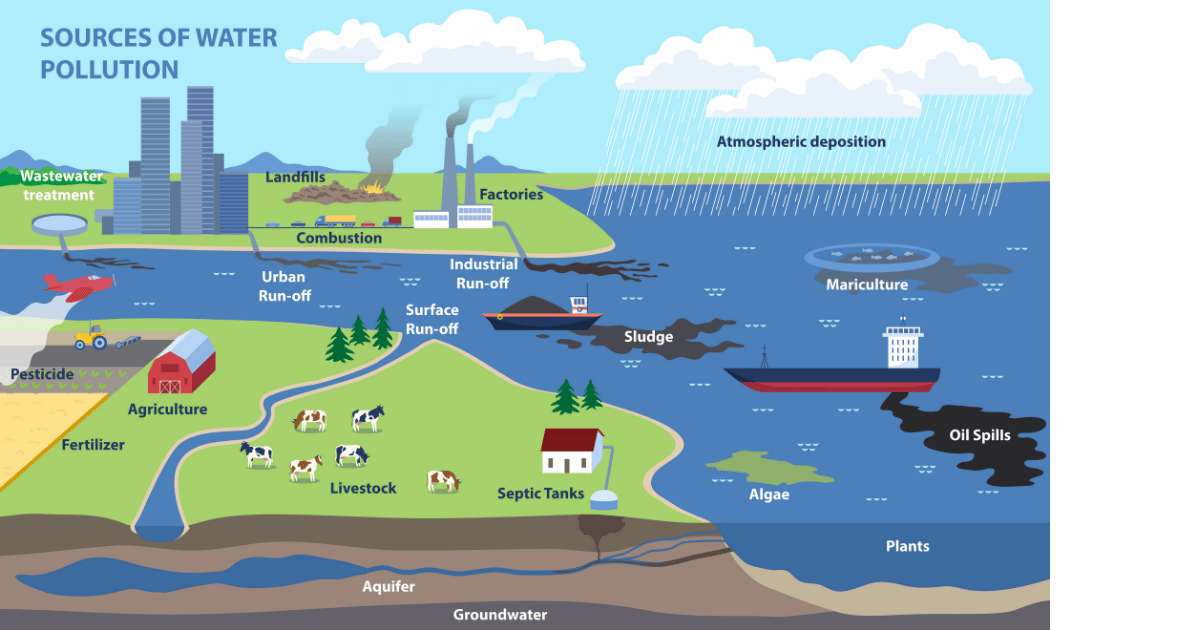
Water pollution, caused by agricultural runoff, industrial discharge, and urban runoff, degrades water quality, harms aquatic ecosystems, and threatens biodiversity.
Real-time data as the foundation of proactive management
Effective surface water pollution management begins with continuous, accurate data. Without real-time visibility into nutrient levels, temperature gradients, dissolved oxygen, and algae concentrations, managers are responding to conditions that are already fully developed — not preventing them.
Modern in-situ monitoring systems measure key parameters around the clock and transmit data to web-based platforms where operators can track trends, set threshold alerts, and review historical patterns. When combined with predictive modelling, this data enables early identification of bloom-risk conditions — typically days to weeks before a visible surface bloom forms.
LG Sonic’s MPC-Buoy integrates continuous water quality monitoring with a predictive algorithm that identifies developing bloom conditions and triggers targeted ultrasonic treatment in response. The ultrasonic programs disrupt cyanobacteria’s buoyancy regulation and cell processes without introducing chemicals or affecting other aquatic organisms — addressing the bloom at an early stage, when intervention is most effective and least costly.
For deeper water bodies where subsurface bloom accumulations are a risk, the Vertical Profiler provides depth-resolved monitoring of the full water column — detecting cyanobacteria concentrations at the thermocline before they reach intake structures.
Collaboration across the catchment
Surface water quality cannot be managed at the reservoir boundary alone. The nutrients entering a water body originate across an entire catchment — from farms, roads, wastewater treatment plants, and urban surfaces kilometres upstream. Lasting improvement requires coordinated action across that catchment.
In practice, this means water utilities sharing monitoring data with agricultural advisors, regulators, and municipal authorities to build a shared picture of nutrient load and its sources. It means regulators using real-time data to enforce discharge standards more precisely. And it means engaging local communities — often the first to observe and report changes in water quality — as part of the early warning network.
Technology plays an enabling role here. Platforms that aggregate monitoring data from multiple points across a catchment, and present it in accessible formats for non-technical stakeholders, make cross-sector collaboration practical rather than aspirational.
Building long-term resilience
The pressures driving surface water pollution — climate change, population growth, and intensifying land use — are not diminishing. A management approach that relies on reactive chemical intervention will face increasing costs and decreasing effectiveness over time.
Long-term resilience comes from shifting the management model upstream: reducing nutrient inputs at source, maintaining the ecological conditions that naturally resist bloom formation, and deploying monitoring and treatment technology that detects and addresses problems early.
This is not a single technology or a single intervention — it is an integrated system of data, decision-making, and action, applied consistently across the full lifecycle of water quality management. Water managers who invest in this approach now are building the operational capacity to meet a more challenging future, rather than managing an escalating series of crises.
Want to understand how a data-driven, chemical-free approach to bloom management could work for your water body? Contact our team or explore LG Sonic’s monitoring and treatment solutions.