

Eliminate odor problems in ponds
Your ponds are part of how the course or grounds look, and green, scummy, smelly water is the first thing visitors and golfers notice. In the role of managing a country club, you may encounter a similar challenge with large ponds. Most ponds also pull double duty for irrigation, so the water has to stay clear and free of solids, while filamentous algae and blanket weed clog pumps and nozzles downstream.
The usual fix, chemical herbicides and algaecides, means repeated dosing, ongoing cost, and risk to the fish, plants, and turf you’re trying to protect. According to the RHS, pond algae and blanket weed thrive in sunny, nutrient-rich water.

What is a pond?
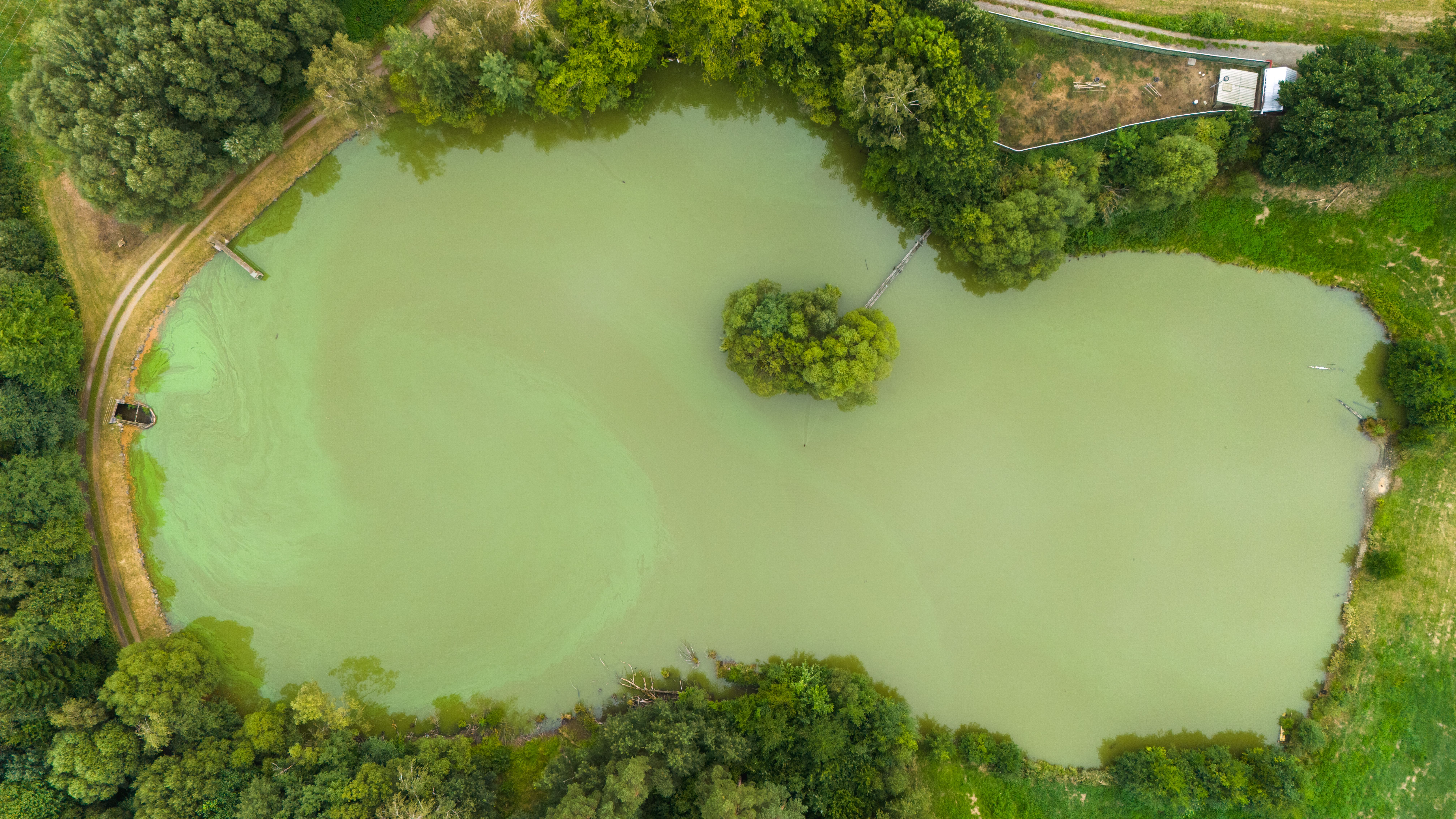
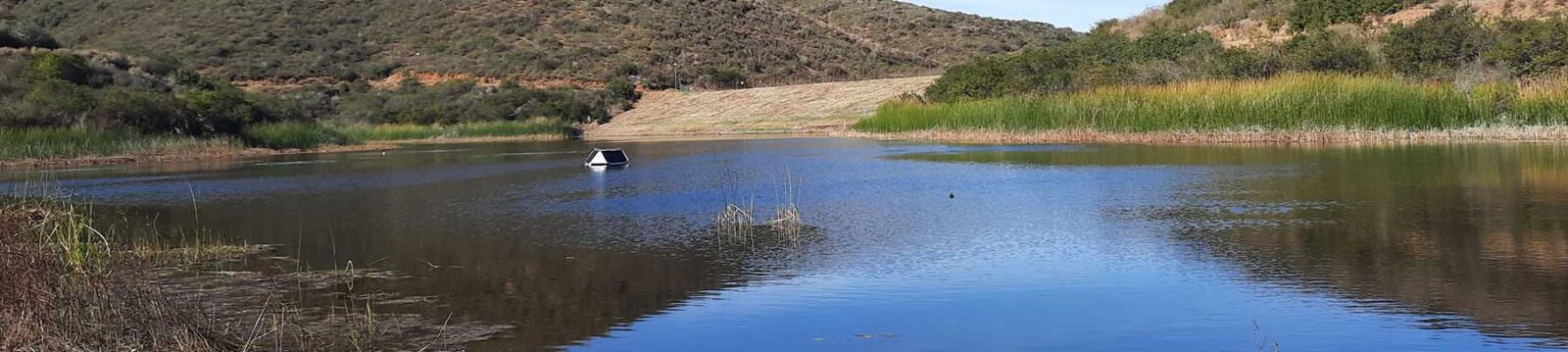
A pond is a small, shallow body of still water surrounded by land, usually fed by rainfall, runoff, groundwater, or a small inflow. Ponds can be natural or man-made, and they turn up everywhere from parks and golf courses to farms, gardens, and ornamental landscapes. What they share is size and stillness: small enough to lack meaningful currents, shallow enough that conditions stay fairly uniform from top to bottom.
That shallowness is exactly what makes ponds prone to algae. Because sunlight reaches all the way to the bottom across the whole surface, the entire water column supports photosynthesis, so algae and blue-green algae can grow vigorously throughout, not just near the surface. Combined with stable temperatures and nutrient buildup in a small volume of water, a pond behaves like a natural growth chamber for algae, which is why it needs a different control approach than a deeper lake.
What defines a pond?
There is no single official cut-off between a pond and a lake, but freshwater scientists generally distinguish ponds using a few practical traits:
- Depth: shallow enough that sunlight reaches the bottom across the whole area, so there is no permanently dark lower layer.
- No thermal layering: the water stays roughly the same temperature top to bottom and does not split into warm and cold layers the way lakes do.
- Small surface area: too small for wind to build significant waves, so the water is generally still.
- Uniform conditions: light, temperature, and oxygen are broadly consistent throughout, giving algae stable conditions to grow.
Ponds are naturally prone to algae
Ponds present unique algae management challenges because their shallow depth means sunlight penetrates the entire water column. Unlike deeper lakes where sunlight cannot reach the bottom, pond ecosystems are fully “photic”, meaning every part supports photosynthesis and algae growth. Combined with uniform water temperatures, stable conditions, and high nutrient concentrations relative to water volume, ponds become ideal algae growth environments.
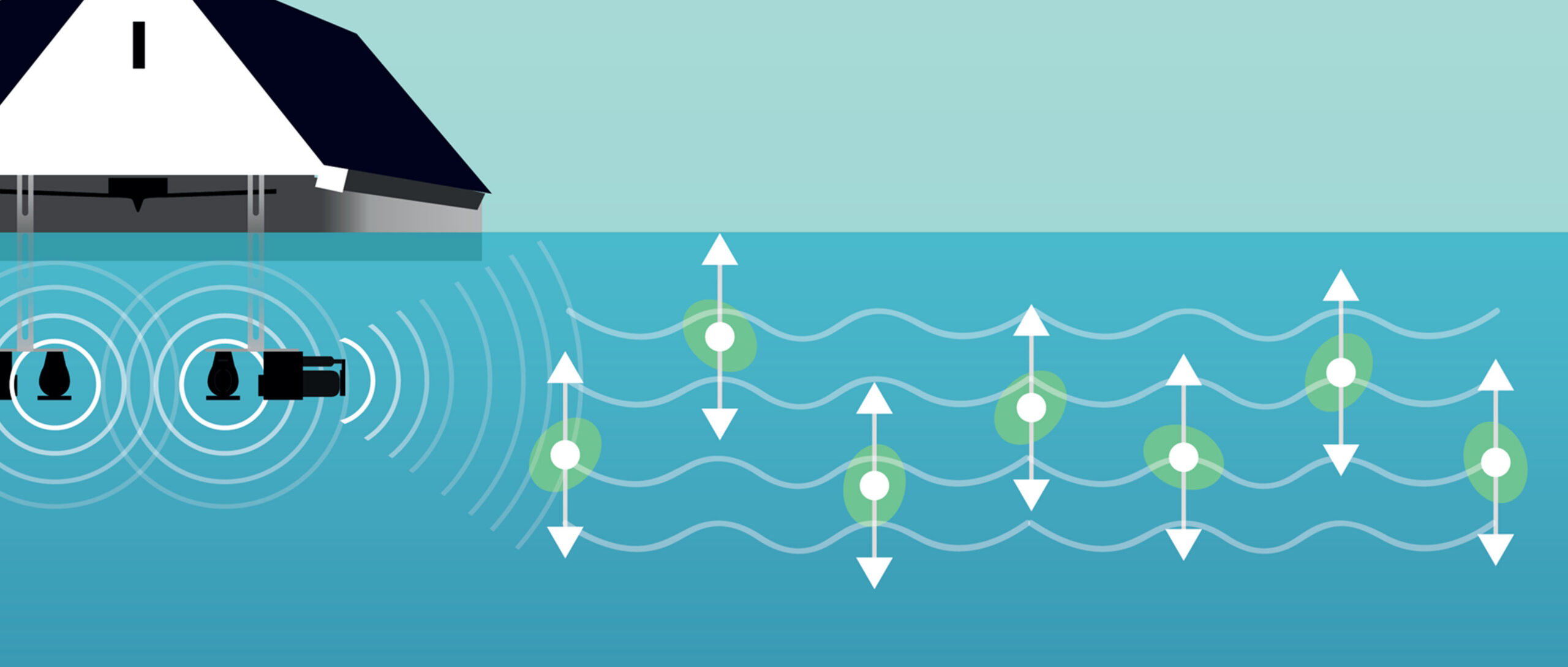
Traditional chemical treatments fail in ponds because they require continuous reapplication as algae rapidly regrow under optimal light and nutrient conditions. Ultrasonic algae control is designed specifically for pond ecosystems, providing year-round prevention without chemical resistance or regrowth cycles. By disrupting algae buoyancy, ultrasound prevents them from accessing the nutrients they need to thrive in shallow water, addressing the root cause rather than treating symptoms.
Proved pond water quality project
Benefits of ultrasonic algae treatment

Lower chemical expenses

Improve operation of filters and pipes

Prevent toxic algal blooms
Golf Course & Country Club Ponds
Keep your ponds clear and odour-free, without chemicals that harm fish, plants, or the turf you irrigate, and stop filamentous algae from clogging pumps and nozzles.
- Low-power ultrasound, no cavitation
- No release of algal toxins
- 100% safe for the environment
Managing Algae in Golf Course Ponds
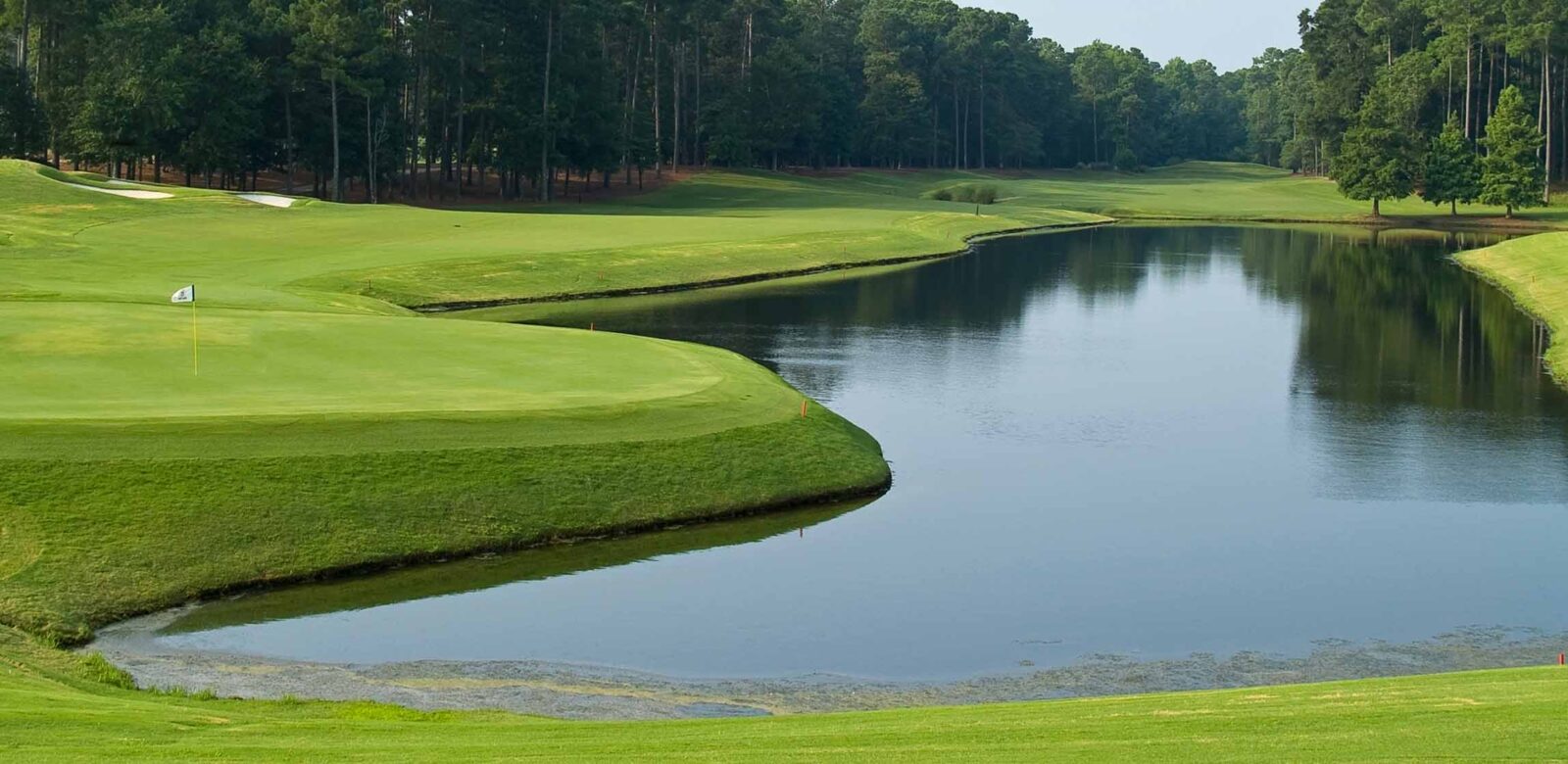
Ponds on golf courses often serve both ornamental and irrigation purposes. To furnish both, it’s important that the water looks clear, is free of any solids, and doesn’t contain chemicals that may harm plant growth.
Algae growth within ponds can complicate irrigation, as filamentous algae may clog the pump and suspended algae can clog nozzles later in the system.
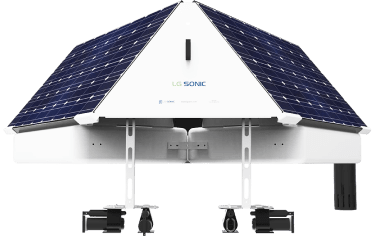
The algae control devices from LG Sonic emit specific ultrasonic parameters to control algae in golf course ponds.
MPC-Buoy
All-in-one solution for controlling algae in drinking water reservoirs.
Questions?
Receive more information and a free quotation.














Frequently asked questions
-
What is the impact of LG Sonic ultrasound on zooplankton?
Recent studies commissioned by the Dutch water board and conducted by research agency Ecofide have concluded that the LG Sonic ultrasound is safe for fish, plants, zooplankton, and other aquatic organisms.
-
Why control the algae if nutrients are the problem?
Reducing nutrients is, of course, also necessary but difficult to achieve, even in the long-term. The majority of nutrient management methods are costly and require frequent dosing with unknown side-effects for the aquatic ecosystem. Besides, the duration and intensity of algal bloom events is strongly depended not only on nutrients but also on a combination of environmental factors, such as climate change, weather patterns, and an unbalanced ecosystem.
-
What kind of water does your ultrasound work in?
The MPC-Buoy technology can be installed in freshwater, salt water, and brackish water.
-
What’s the largest water body that has LG Sonic implemented? Any issues linking many buoys?
We have multiple projects with large numbers of MPC-Buoy units installed. For example, in Dominican Republic, 50 MPC-Buoys are in operation in a 7km2 reservoir. The buoys communicate with each other for optimal treatment.
-
What's the minimum depth of water required for LG Sonic treatment?
We recommend a minimum water depth of 3 feet / 1 meter.