

In short
- Resilience is the most important trend in water resource management.
- The biggest challenge facing water utilities is dealing with legacy nutrients sustainably.
- Thinking of raw water management as a treatment process on its own is critical for sustainable water resource management.
What is the Source to Tap Approach Webinar
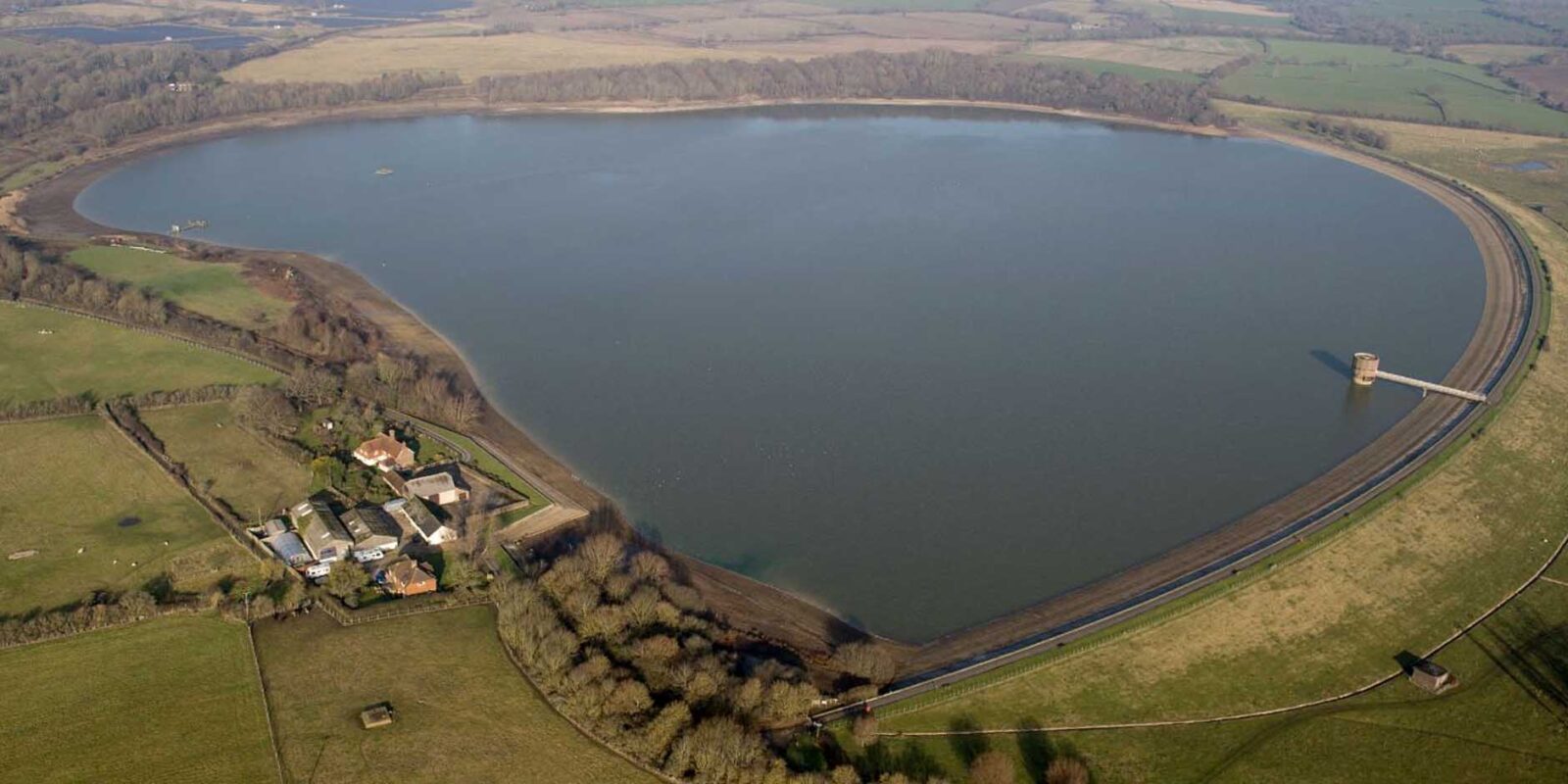
During last week’s webinar “Trends in Water Resource Management: Part II,” Douglas Whitfield (Director of Operations, South East Water UK) highlighted key trends and challenges that water companies are facing. He also shared his view on the “source-to-tap” approach, a strategy for achieving resiliency in water management.
In this post, we’ll highlight 3 takeaways from last week’s webinar. Scroll down to watch the video snippet.
Water Resource Management Trends: Resilience, Legacy Nutrients, and Source-to-Tap
Trends in water resource management
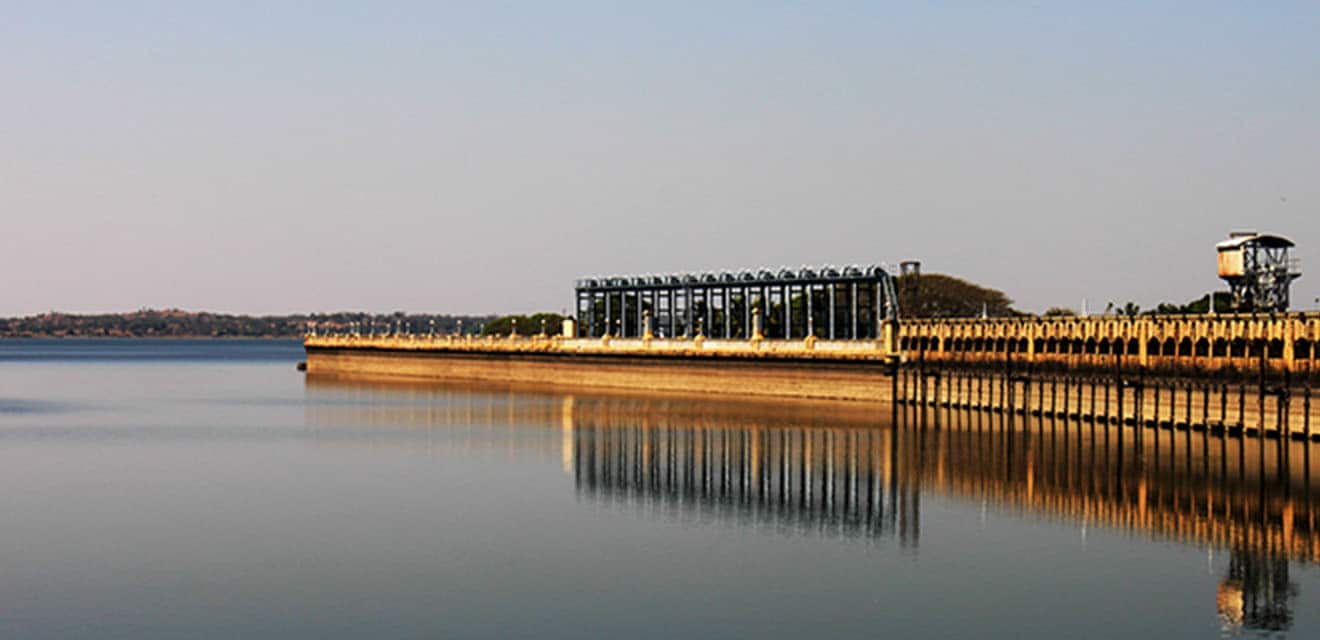
The world’s water crisis is a dire situation. With the rising threat of global warming and the reality of population growth, our freshwater supplies won’t be sufficient for future needs. It’s been estimated that half of the world’s population will likely live in river basins experiencing water stress by 2025, and that the world will face a 40% shortage of water by 2030.
Conserving freshwater and improving current water management methods have become top priorities to ensure the long-term development of human society and the environment.
Water resource management (WRM) is essential for any water utility. It’s “the process of planning, developing, and managing water resources, in terms of both water quantity and quality, across all water uses.”
Planning with resilience in mind is key. Resilience of the water companies and their water supplies; resilience for customers and the environment.
Resilient planning is also essential for securing the stability of water supplies. Water utilities must account for population growth and shifting demand patterns, climate variability, extended dry periods and flood events, and other disruptions that reduce resource availability at short notice.
This means moving away from reactive responses toward long-term strategies that anticipate stress before it reaches the treatment plant. Utilities that invest in real-time source water monitoring and predictive modelling are better positioned to maintain supply continuity and regulatory compliance — even as climate conditions become less predictable.
This trend is becoming increasingly important for both the quality and quantity of raw water resources.
Challenges for water utilities
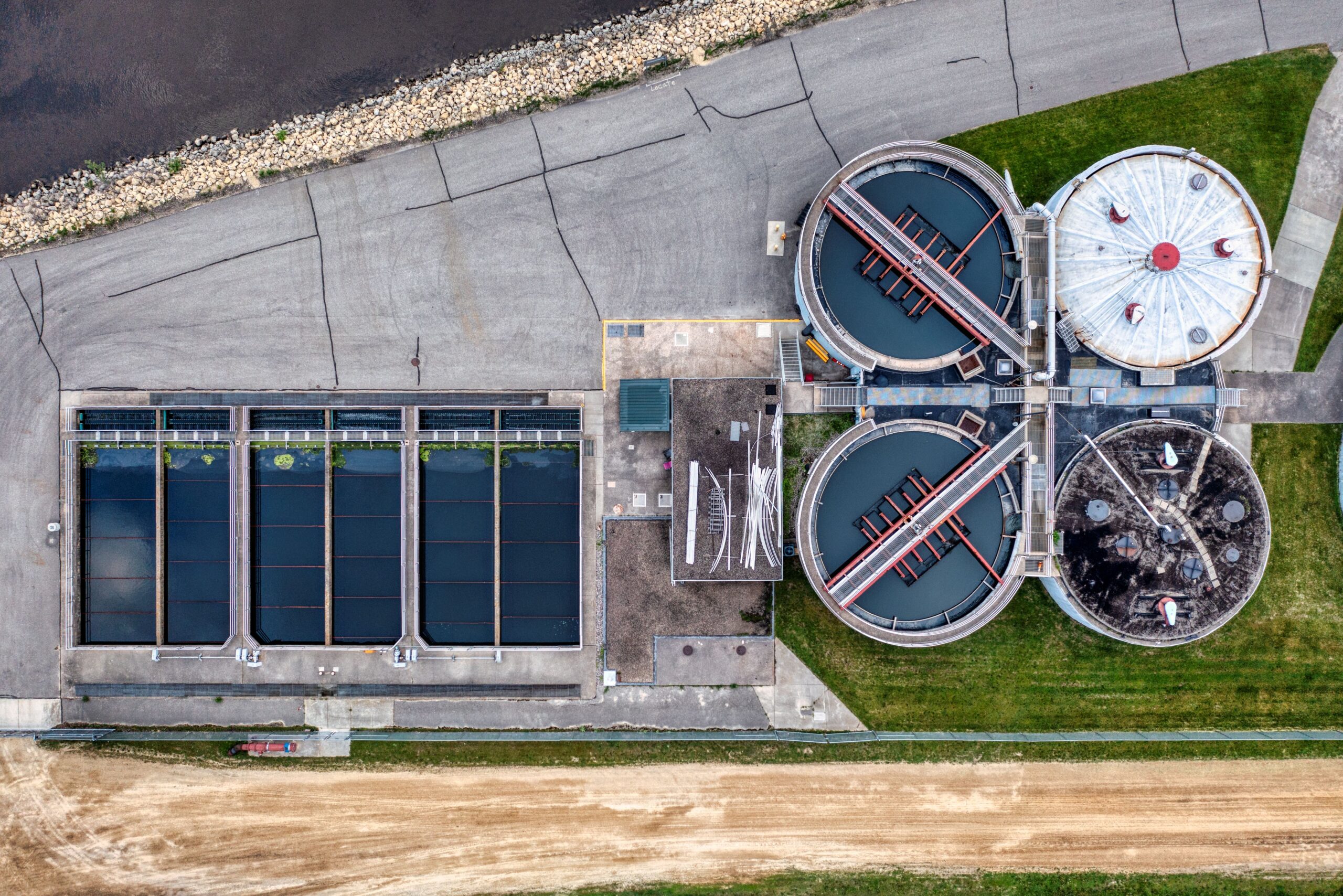
A comprehensive aerial perspective of a water treatment plant in Red Wing, Minnesota.
In water resource management, challenges vary according to the source type. They can occur naturally or be historical — for example, from industrial or agricultural practices which polluted waters with pesticides, nitrates, and solvents. Some of these components are still stored in the sediment as legacy nutrients, even where practices have since changed.
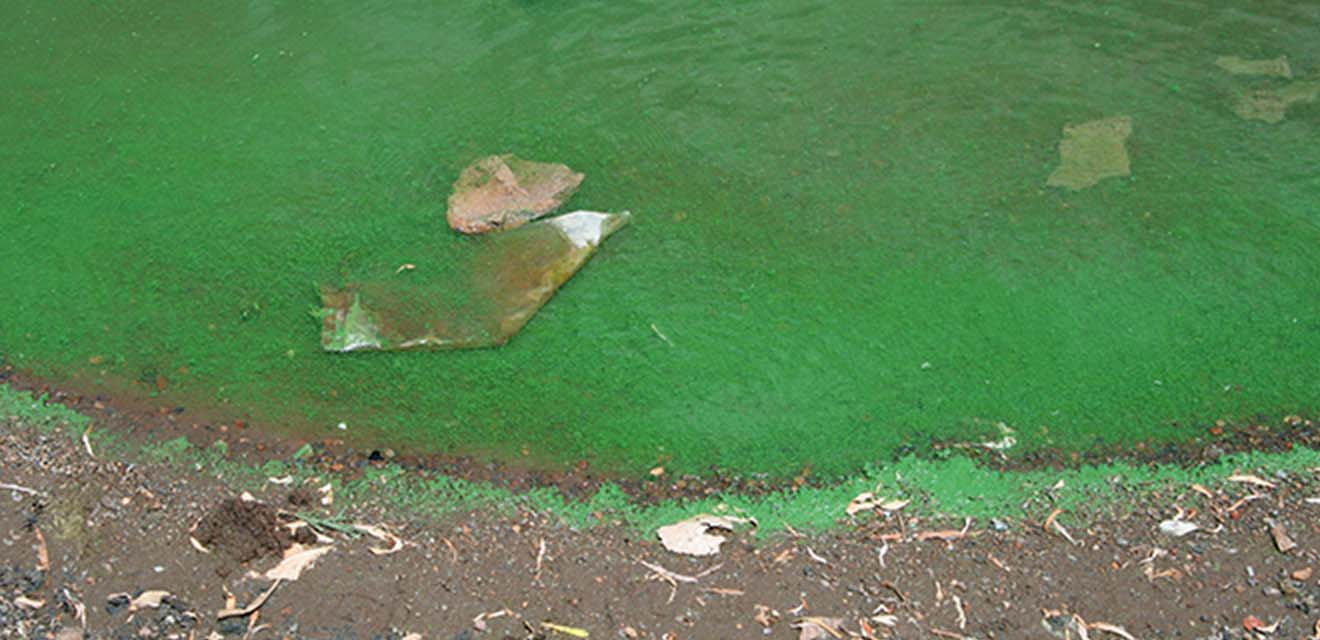
Legacy nutrients are among the most difficult challenges facing water utilities today. Unlike active pollution sources — which can be reduced through regulation or land management — legacy phosphorus and nitrogen are already embedded in reservoir and lake sediments. Under warm, stratified conditions, they can be released back into the water column, fuelling persistent algal bloom cycles even after surface-level nutrient inputs have been reduced.
This means utilities cannot simply wait for upstream improvements to solve source water quality problems. The nutrients that drove last year’s bloom may already be sitting in the sediment, ready to feed the next one.
Common ongoing challenges include nutrient loading (especially nitrates and phosphates), algal blooms, microplastics, pharmaceuticals, invasive species, and both short- and long-term climate impacts.
With global warming, many of these issues are intensifying. Warmer water temperatures accelerate algae growth, while longer stratification periods extend the window in which legacy nutrients can be released from sediment. Utilities that rely on end-of-pipe treatment alone face increasing pressure on filtration systems, chemical dosing, and compliance margins.
These issues can be tackled either reactively or proactively. However, solely focusing on protecting final water quality at the treatment stage carries the risk of underestimating source water challenges — and the cumulative costs that come with managing them downstream.
Source-to-tap approach. Raw water as a treatment step
According to Douglas Whitfield, Director of Operations at South East Water UK, the water industry historically operated with a “treat-to-resolve” mindset — addressing raw water quality problems at the treatment plant rather than at the source.
The past decade has seen a significant shift. New planning frameworks now centre on sustainability and upstream intervention.
The source-to-tap approach considers the full water pathway: catchment, reservoir, treatment process, distribution network, and customer endpoint. Rather than treating each stage in isolation, it recognises that decisions made at the source have direct consequences for treatment costs, chemical use, and final water quality. In the UK, Drinking Water Plans developed under this framework have helped utilities improve raw water consistency and reduce treatment plant pressure.
Applying this approach in practice means viewing raw water management as an essential treatment step in its own right — not as a precondition to be tolerated, but as a controllable variable. When source water quality is actively managed, downstream treatment becomes more predictable, less chemical-intensive, and more cost-effective.
For utilities dealing with harmful algae events, this means treating the problem where it forms. Real-time monitoring of the water resource is essential — not only to detect current conditions, but to forecast harmful blooms before they develop into a treatment burden. The data collected at source enables earlier intervention, reduces response costs, and supports long-term water quality planning.
LG Sonic’s Monitoring Buoy provides continuous measurement of algae levels, water temperature, turbidity, and other key parameters — giving water managers the visibility needed to act before conditions deteriorate. Where active treatment is required, the MPC-Buoy combines real-time monitoring with ultrasonic algae control and predictive modelling in a single solar-powered system, supporting a true source-to-tap strategy without the use of chemicals.