

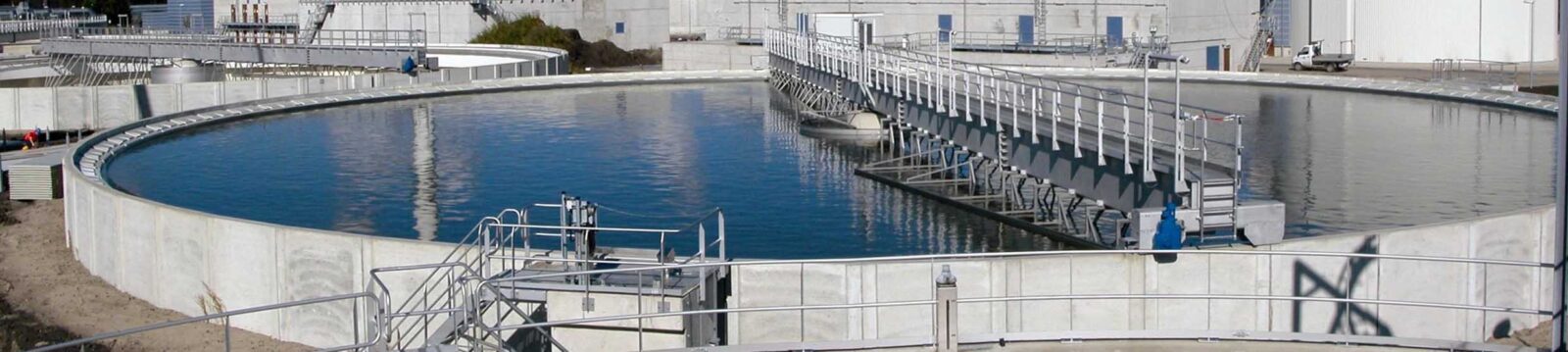
Prevent taste and odour problems
The performance of drinking water treatment plants is consistent with the amount of contamination in the water and the need to meet recognised drinking water quality requirements, such as those defined in the WHO Guidelines for Drinking-water Quality. Growth of algae and biofouling in a treatment plant can cause various problems within the process including: clogging of intake screens, fouling of weirs, increased chlorine demand, tastes/odours, and the release of toxins.
Control algae, cyanobacteria and fouling efficiently with LG Sonic ultrasound to reduce taste and odor problems in the water treatment plant.
Talk to an expert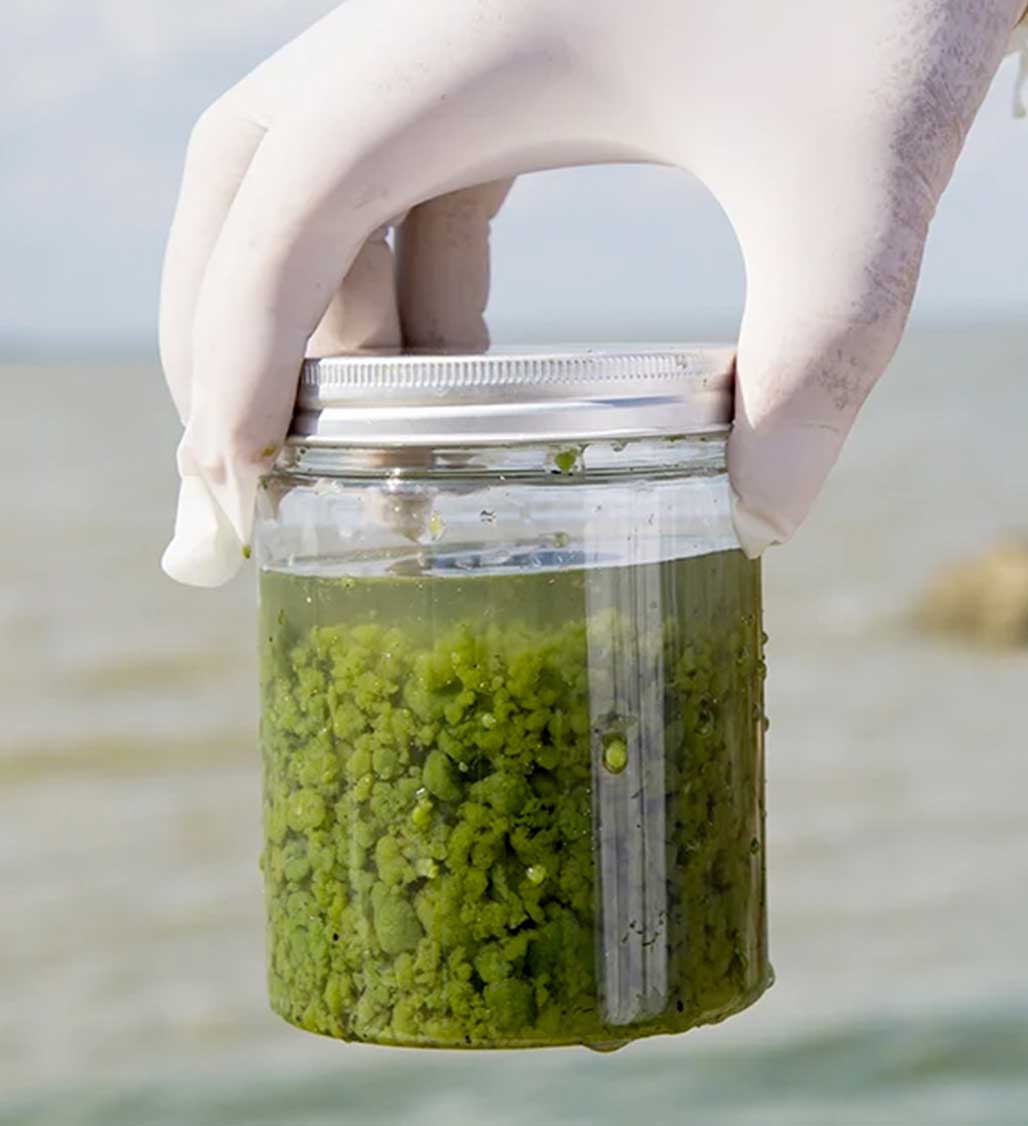
Benefits of ultrasonic algae treatment

Lower chemical expenses

Improve operations of filters and pipes

Prevent toxic algal blooms
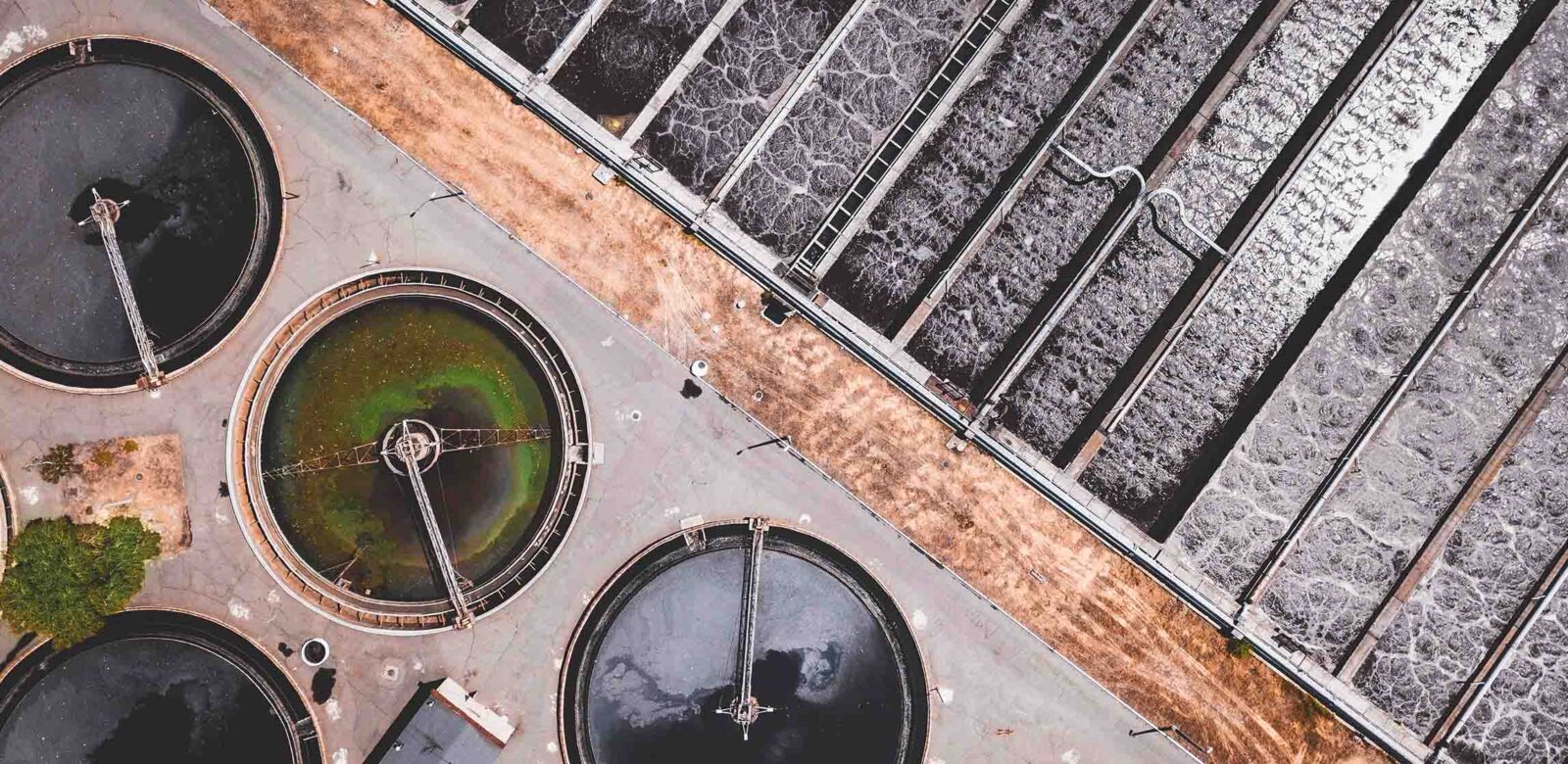
Biofouling water treatment plants
- Low-power ultrasound, no cavitation
- No release of algal toxins
- 100% safe for the environment
Biofouling impacts on drinking water treatment processes
Biofouling in drinking water systems has detrimental effects such as microbiological and chemical deterioration in water quality, corrosion-inducing effects, and efficiency-reducing effects in water treatment processes.
The growth of algae, cyanobacteria and bacteria within the basins of the plant itself increases the demand of chemicals or filtration and in turn creates problems with THM (trihalomethane) formation.
Algae and biofouling-related problems are also often seen in sand filers, flocculation chambers, clarifiers and coagulation tanks.
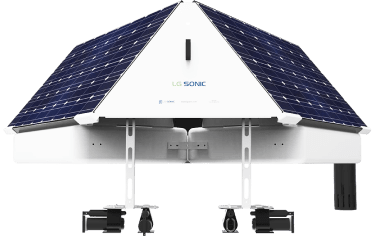
MPC-Buoy
All-in-one solution for controlling algae in drinking water reservoirs.
Questions?
Receive more information and a free quotation.
















keep your knowledge up to date
Source Water Protection for Drinking Water Utilities
Read More
Ultrasonic Sedimentation Basin Algae Control: AWWA Opflow Study Documents Chemical-Free Results
Read More
CEO Yousef Yousef Discusses Global Water Bankruptcy Crisis on What’s Next Podcast
Read More
Real-Time Water Quality Monitoring for Drinking Water Utilities
Read More
Harmful Algal Blooms: Complete Guide for Water Utilities
Read More
Chilmark Pond Water Quality Improves: 3× Faster Bloom Control Validated
Read More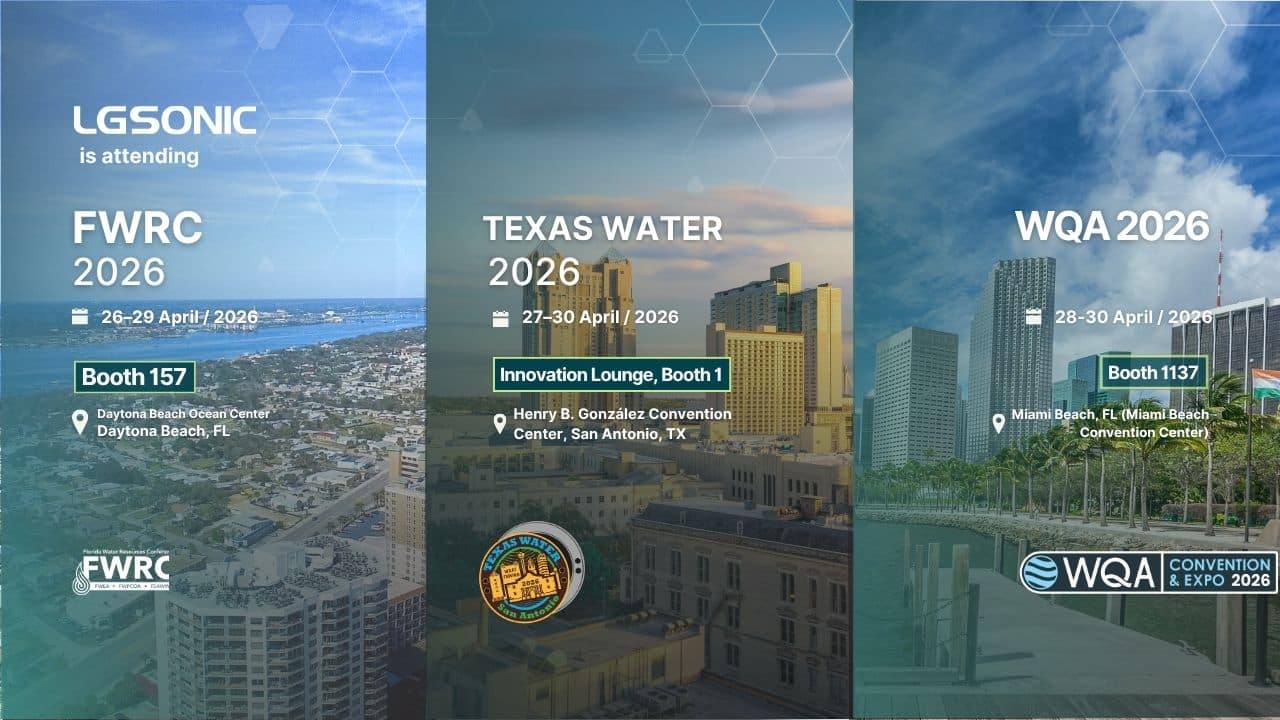
LG Sonic at US Water Quality Events in April 2026
Read More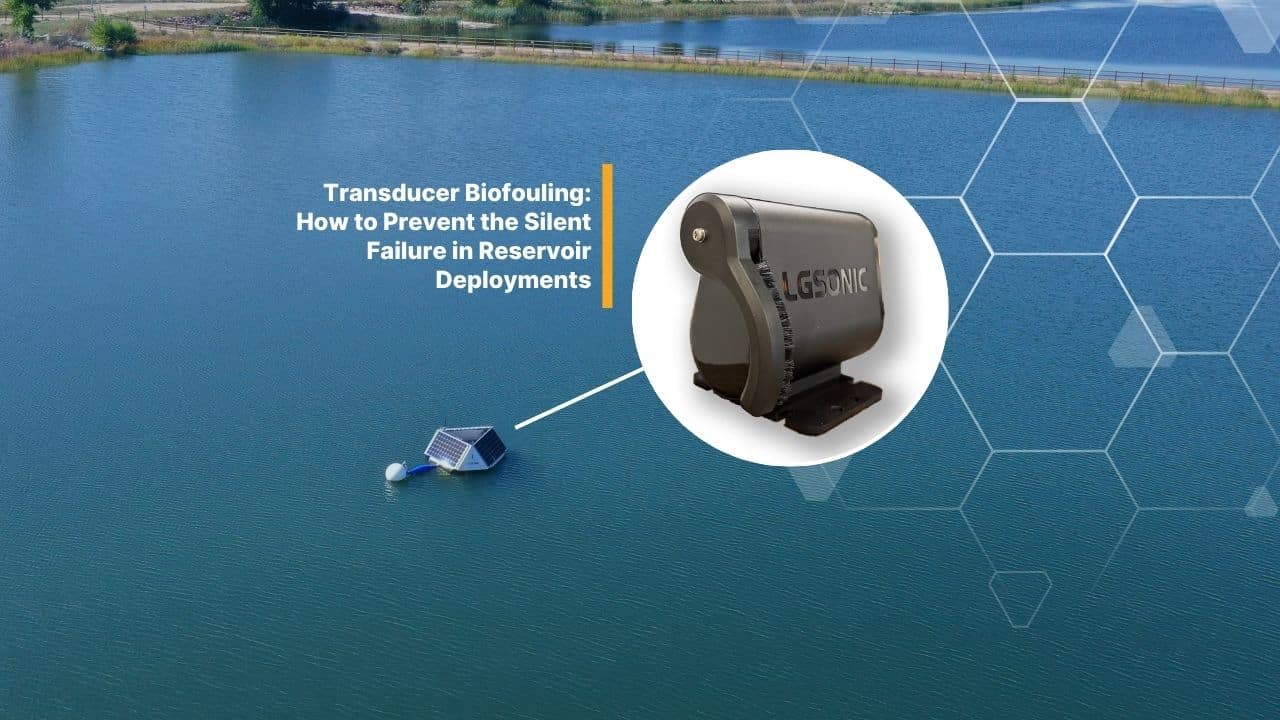
Transducer Biofouling: How to Prevent the Silent Failure in Reservoir Deployments
Read More
Lake Ecosystem Water Quality: How It Works and How to Manage It
Read MoreFrequently asked questions
-
What is the impact of LG Sonic ultrasound on zooplankton?
Recent studies commissioned by the Dutch water board and conducted by research agency Ecofide have concluded that the LG Sonic ultrasound is safe for fish, plants, zooplankton, and other aquatic organisms.
-
Why control the algae if nutrients are the problem?
Reducing nutrients is, of course, also necessary but difficult to achieve, even in the long-term. The majority of nutrient management methods are costly and require frequent dosing with unknown side-effects for the aquatic ecosystem. Besides, the duration and intensity of algal bloom events is strongly depended not only on nutrients but also on a combination of environmental factors, such as climate change, weather patterns, and an unbalanced ecosystem.
-
What kind of water does your ultrasound work in?
The MPC-Buoy technology can be installed in freshwater, salt water, and brackish water.
-
What’s the largest water body that has LG Sonic implemented? Any issues linking many buoys?
We have multiple projects with large numbers of MPC-Buoy units installed. For example, in Dominican Republic, 50 MPC-Buoys are in operation in a 7km2 reservoir. The buoys communicate with each other for optimal treatment.
-
What's the minimum depth of water required for LG Sonic treatment?
We recommend a minimum water depth of 3 feet / 1 meter.